


7 Study Habits That Make Studying Less Effective
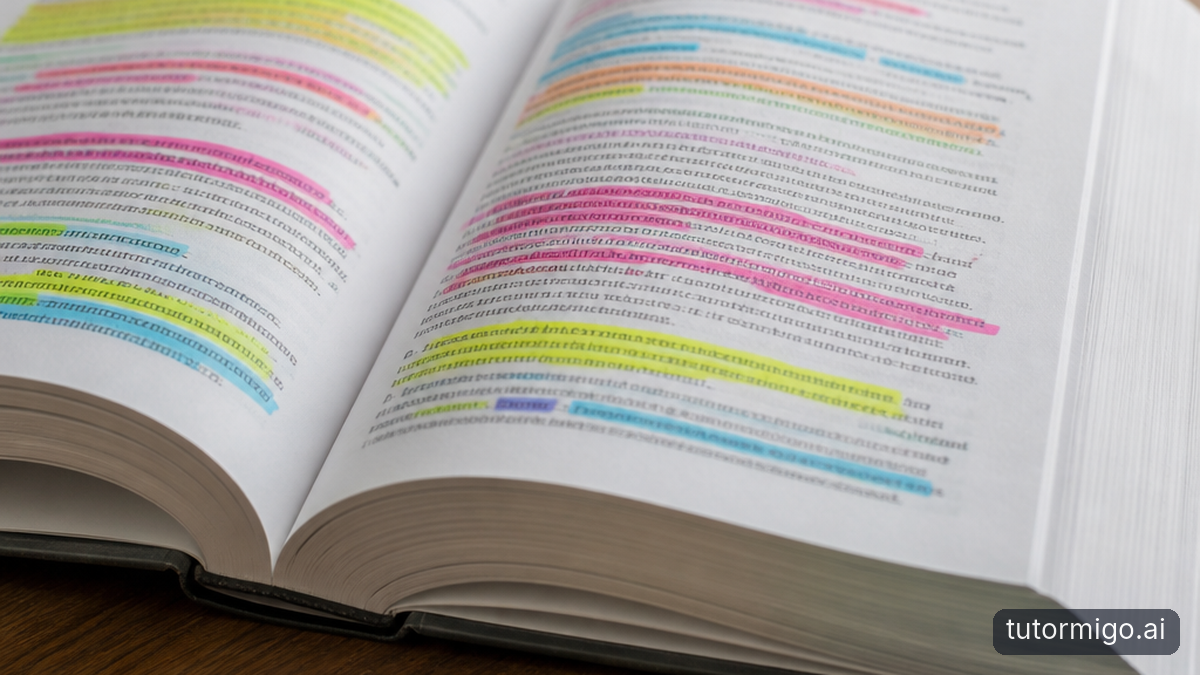
You can spend hours with a textbook open and still feel unprepared. Often, the problem is not effort but the way that effort is being used. The 7 common study mistakes students make include vague planning, passive review, distractions, skipped practice, and treating sleep as optional.
These habits are easy to miss because they can look productive. Highlighting several pages feels serious. Watching a lesson while checking messages feels efficient. Studying late into the night feels responsible. Yet these approaches may leave you with weak recall when you actually need to explain a concept or solve a problem.
The good news is that each mistake has a practical replacement. You do not need a perfect schedule or endless motivation. You need a clearer target, more active practice, fewer interruptions, and enough recovery for your brain to use what you learned. Start by identifying which habits appear in your own routine, then change one at a time.
Mistake 1: Studying Without a Clear Plan or Goal

Opening your notes and deciding to “study biology” is not a workable plan. The subject is too broad, so you may drift between chapters without knowing whether you have made progress. A useful goal describes an action and a limit, such as “explain the three stages of cellular respiration from memory” or “complete ten practice questions on quadratic equations in 30 minutes.”
Before you begin, choose one or two outcomes for the session. Estimate how long each will take, gather only the materials you need, and decide how you will check your understanding. For example, after reviewing vocabulary, close the book and write definitions in your own words. If you cannot do that, the next step is clear: review the specific terms you missed.
Keep the plan small enough to finish. A student with an hour might spend 10 minutes recalling yesterday’s lesson, 30 minutes solving new problems, and 15 minutes checking errors, leaving 5 minutes to record what needs attention next time. A visible finish line reduces wandering and makes it easier to begin.
Mistakes 2 and 3: Relying on Rereading and Passive Note-Taking
Rereading can create a strong feeling of familiarity without proving that you can remember anything independently. The page looks recognizable, but when the book closes, the main idea may disappear. Passive note-taking has a similar problem when you copy every sentence instead of processing what it means.
Replace a second or third reread with retrieval. Read a short section, cover it, and answer a question such as “Why does this process happen?” or “What evidence supports this claim?” Then compare your answer with the source and correct gaps. For a history chapter, try writing a five-sentence explanation from memory before checking dates and details.
Your notes should help you think later, not simply preserve the page. Use brief headings, connections, examples, and questions. Instead of copying “photosynthesis converts light energy,” write a prompt such as “What does photosynthesis convert, and why is light important?” You can then test yourself quickly during a later session. For more ideas, explore this guide to study mistakes and better habits.
Ask yourself: “Could I explain this without looking?” If the answer is no, switch from reviewing information to retrieving it.
Mistakes 4 and 5: Multitasking and Choosing a Distracting Study Space
Multitasking divides your attention rather than giving you two complete tasks at once. A message notification, a quick social media check, or a video playing in the background can interrupt the mental steps needed to understand difficult material. Even a short interruption may leave you rereading the same paragraph before you can continue.
Make distractions harder to reach before studying starts. Put your phone in another room or inside a bag, close unrelated browser tabs, and tell people nearby when you will be available again. If you need a computer for research, write down the sites you intend to use and avoid opening anything else until the session ends.
Your space matters, but it does not have to be elaborate. Choose a place with adequate light, a supportive chair, and enough room for your materials. Some people work best in a quiet library; others need gentle background noise. Test the space for one 25-minute work period. If you repeatedly stand up, check devices, or search for supplies, adjust the environment rather than blaming your concentration.
A focused session is not a test of willpower. Remove predictable interruptions before they ask you to make another decision.
Mistakes 6 and 7: Skipping Practice, Breaks, and Sleep
Two opposite errors can make studying less effective: doing too little active practice and trying to compensate with exhausting hours. Reading examples without solving problems leaves you unprepared for the moment you must produce an answer. Likewise, skipping breaks and sleep can reduce attention, working memory, and patience when you need them most.
Build practice into every session. After learning a method, solve a problem without looking at the worked example. Mix in an older topic instead of completing only the easiest questions. When you miss one, record the reason: did you misunderstand the idea, choose the wrong method, or make a careless step? That diagnosis tells you what to practice next.
Use breaks deliberately. After roughly 25 to 50 minutes of focused work, stand up, stretch, drink water, or take a short walk. Avoid turning a five-minute break into an unplanned hour online. Protect your normal sleep schedule, especially before an assessment. A tired student may spend three hours studying but remember less than a rested student who used two focused sessions.
How to Replace These Study Mistakes With Better Habits
Do not try to rebuild your entire routine overnight. Pick the mistake that costs you the most time and replace it with one visible action. If vague planning is the issue, write a specific outcome before opening your notes. If rereading dominates, close the book every 10 minutes and recall the main idea. If distractions are common, create a device-free study block and start with a timer.
At the end of each session, spend two minutes reviewing your process. What did you remember without help? Which question exposed a gap? Did the space and schedule support focus? Use those answers to plan the next session rather than repeating the same routine automatically.
A simple weekly pattern might include short retrieval reviews, several problem-solving sessions, one mixed-topic practice block, and protected sleep. Keep the plan realistic enough to repeat. If you want guided support for practicing concepts with interactive tools, TutorMigo.ai’s Study Tools Hub can be a natural next step after you identify the habits you want to improve.
Progress comes from making useful study actions easier to repeat. Clear goals, active recall, focused surroundings, deliberate practice, breaks, and sleep work together. You do not need to study more blindly; you need to make each session more purposeful.
Frequently asked questions
One of the most common mistakes is passive review, such as rereading notes without testing yourself. Familiarity can feel like learning, but retrieval practice shows what you can actually remember and explain.
Many students can work effectively for 25 to 50 minutes before taking a short break. The best length depends on the task and your attention, so choose a repeatable block rather than forcing yourself to study until you are exhausted.
Both approaches can help. Use a focused block to learn a new idea, then mix related or older topics during practice. Interleaving makes you decide which method to use instead of relying on the order of a chapter.
Check performance without your notes. Try explaining the idea, answering practice questions, or recalling key steps after a delay. If you can do those tasks accurately and correct mistakes, your method is producing useful learning.
Related reading
Enjoyed this read?
Like, share, or comment below.



Comments
0Sign in required · respectful discussion · replies supported
Loading comments…