


Find the Real Problem Behind Your Study Motivation

When your child avoids studying, it is easy to label the behavior as laziness. Often, though, the resistance is a message: the work feels confusing, too long, boring, embarrassing, or disconnected from anything they care about. Before trying to motivate children who do not like studying, spend a few days noticing exactly when the refusal begins. Does your child shut the book as soon as writing starts? Do they become restless after ten minutes of reading? Are they worried about getting an answer wrong?
Ask calm, specific questions instead of saying, “Why don’t you ever study?” Try, “Which part feels hardest to begin?” or “Would you rather read the instructions together or see one example first?” A child who struggles with multiplication may not need more pressure; they may need the first problem broken into smaller steps. A child who fears criticism may need private practice before showing finished work.
Write down the trigger, the task, and what happens next. This simple pattern can reveal whether you are solving a skill gap, a tiredness problem, or an emotional barrier. Motivation improves when the obstacle is accurately named, because your response can then address the difficulty rather than punish the avoidance.
Make the First Step Small and Clear
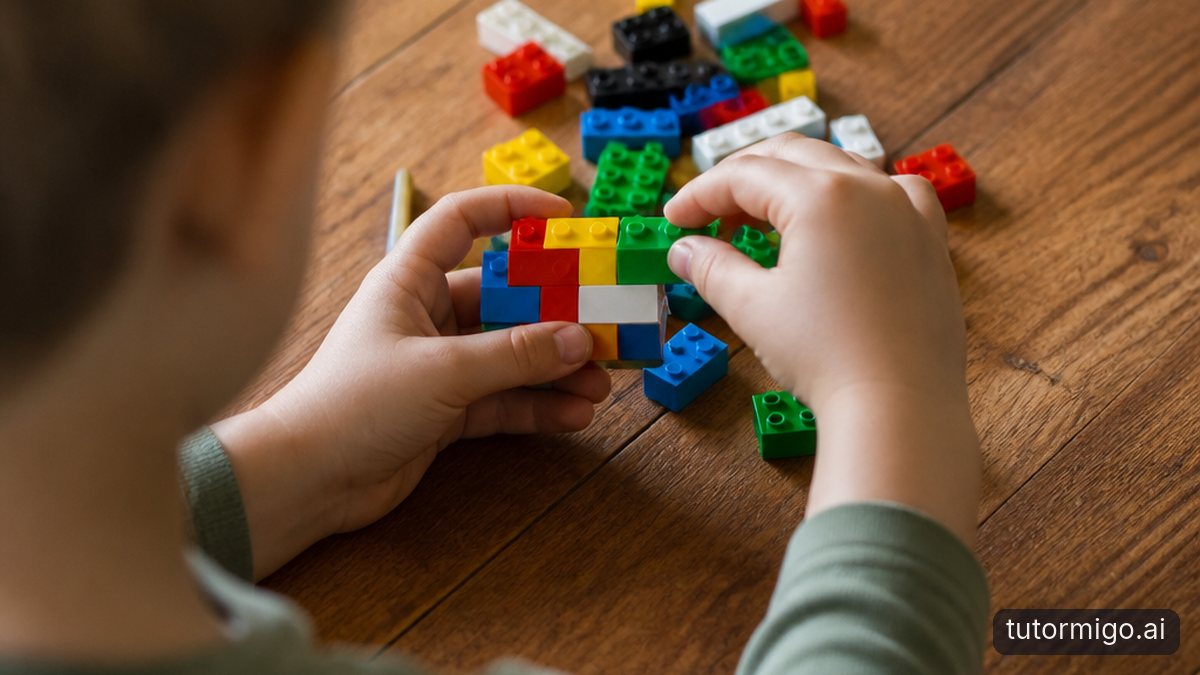
A large assignment can feel impossible before your child even starts. “Go study science” contains too many decisions: which chapter, how long, what to write down, and how to know when the work is finished. Replace it with one visible first step. You might say, “Put the science book on the table and read the first two headings,” or “Choose three vocabulary words and explain them in your own words.”
Use a short starting period, such as ten minutes, rather than demanding a perfect evening of concentration. Set a timer if your child finds a clear ending reassuring, then pause for a brief stretch or drink of water. The goal is not to make every session tiny forever. It is to give your child repeated experiences of beginning successfully. Once the first ten minutes feel manageable, add another short block.
Keep the materials ready before the session starts. Put the required notebook, pencil, and assignment in one place so gathering supplies does not become an escape route. A checklist with three boxes can be more useful than a long lecture: read the example, complete two questions, check one answer. Each completed action builds evidence that the work can be handled, which is more motivating than hearing that the work “should be easy.”
Offer Choice Without Removing Structure
Children often resist studying because it feels like something being done to them. You can return some control without abandoning expectations. Offer two acceptable options: “Would you like to start with reading or maths?” “Do you want to work at the kitchen table or the desk?” “Would you rather answer in writing or explain the first two ideas aloud?” The assignment stays important, but your child gets a say in how to approach it.
Keep the choices limited. Asking, “What do you want to do?” may create another difficult decision, especially when your child is already tired. Two options are enough. You can also let your child choose the order of tasks while keeping a clear finish line: “The spelling practice and the reading response both need to be done. Which one comes first?”
A predictable routine makes choice feel safe. For example, studying might begin after a snack, continue for one short work block, include a five-minute movement break, and end with packing the school bag. Post the routine where everyone can see it. Avoid negotiating every step once the routine begins. Warmly repeat the plan: “You can choose reading or maths, and then we will start the first ten minutes.” Firm structure and small choices work together better than either constant commands or unlimited freedom.
Connect Learning to Something They Care About
Motivation grows when a child can see a reason to use a skill. Look for ordinary interests rather than trying to turn every lesson into entertainment. A child who loves cooking can practice fractions by doubling a recipe. Someone interested in football can compare player statistics or calculate totals. A child who enjoys drawing might explain a history topic through a labeled timeline or sketch.
The connection does not have to transform the whole assignment. After completing the required reading, ask your child to choose one real-life connection: Where might this idea appear in a game, a hobby, a family decision, or a question they have asked before? For a reluctant writer, begin with a two-minute conversation about the topic and let them say their ideas aloud before writing. Speaking can reduce the blank-page feeling without replacing the writing task.
Be careful not to make every interest a reward for finishing. That can teach your child that learning itself has no value. Instead, use interests to provide a doorway into the difficult material. Say, “You already know a lot about animals; let’s use that knowledge to understand this paragraph,” rather than, “Finish this and then you can finally do what you like.” Curiosity is more sustainable when it helps the work make sense.
Praise the Process, Not Just the Result
Specific encouragement is more useful than broad praise. “You are so smart” can make a child worry that mistakes will prove the opposite. Instead, point to an observable action: “You reread the question when the first answer did not work,” or “You stayed with that paragraph even though it was confusing.” This shows your child which behaviors help learning succeed. Notice progress that grades may not show. Perhaps your child started without an argument, corrected one mistake independently, or asked for clarification instead of giving up. Mention the exact change and keep your tone matter-of-fact. “Yesterday you needed me beside you for every question; today you tried the first three alone.” Concrete feedback helps children build a realistic picture of improvement. Treat mistakes as information. If an answer is wrong, ask, “What did you try, and where did the question take you?” Then help your child identify one next move. Avoid hovering over every problem or praising every tiny action so intensely that studying feels like a performance. A calm comment, a useful question, and time to try again are often enough.“I do not expect you to enjoy every assignment. I do expect us to find a way to begin, learn from mistakes, and finish one manageable step at a time.”
Build a Routine That Can Survive Bad Days
A motivation plan should work on ordinary difficult days, not only when everyone is rested and cheerful. Choose a regular study window that fits your child’s energy. If homework after school leads to tears, try a snack and movement first. If evenings are crowded, complete one short task earlier and leave a smaller review for later. The best routine is one your family can repeat without daily arguments.
Decide in advance what happens when your child refuses. Keep the response brief and predictable: acknowledge the feeling, restate the first step, and offer the two planned choices. “You do not feel like doing this. We are still completing ten minutes. You can begin with the example or the first question.” Avoid adding extra work as punishment, making threats you cannot keep, or starting a long debate while the assignment remains untouched.
Review the routine once a week. Ask what helped, what made starting harder, and what should change. Maybe the timer felt stressful, the chair was uncomfortable, or the first task was too difficult. Adjust one detail rather than abandoning the whole plan. If persistent distress, sleep problems, attention difficulties, or falling achievement continue despite support, speak with the child’s teacher or a qualified professional. Your next step is to make learning feel manageable, not to win a daily contest. If you want structured support for those small, consistent practice steps, TutorMigo.ai may be worth exploring alongside the routine you build at home.
Frequently asked questions
Small, immediate acknowledgments can help a child begin, especially when a task feels difficult. Focus first on effort, persistence, and using a helpful strategy. Avoid making every learning activity dependent on prizes; gradually help your child notice the satisfaction of understanding and improving.
Stay calm, name the feeling, and return to one very small first step. Offer two acceptable choices and use a short, predictable work period. If refusal is intense or continues alongside anxiety, sleep problems, attention concerns, or a sharp drop in performance, involve the teacher or a qualified professional.
There is no single ideal length. Begin with a period your child can manage successfully, such as ten or fifteen minutes, followed by a brief movement break. Increase the length gradually only when starting and completing the shorter sessions has become reasonably consistent.
Find out whether “boring” means repetitive, confusing, too easy, or emotionally uncomfortable. Add limited choices, connect examples to an existing interest, and break the task into visible steps. The goal is not constant entertainment; it is making the purpose and next action clear enough to begin.
Related reading
Enjoyed this read?
Like, share, or comment below.



Comments
0Sign in required · respectful discussion · replies supported
Loading comments…