


Make Reading at Home Easy to Start

If you help parents who want their children to read more, you may already know the hardest part is not explaining why reading matters. It is making reading feel easy to start after a long day. A welcoming space, a small choice of books, and a routine that fits real family life can turn reading from a battle into a familiar part of home.
Begin with the physical setting. You do not need a dedicated library or expensive furniture. A basket beside the sofa, a cushion near a window, or a shelf within easy reach can signal that books belong in everyday life. Keep a few appealing choices visible rather than putting every book away. Rotate them when interest fades.
Make the first step tiny. Instead of announcing a thirty-minute reading session, say, “Let’s read one page before we start dinner,” or “Choose a book for the car.” A child who expects success is more likely to begin. Once reading has started, the time may naturally grow, but the initial invitation should feel manageable.
Make reading easy to find, easy to choose, and easy to stop while it is still enjoyable.
Choose Books That Give Children a Reason to Read

Children are more likely to return to reading when the subject connects with something they already care about. A child fascinated by animals might enjoy a wildlife story, a field guide, or a comic about a rescue shelter. A child who loves building can try books about inventions, architecture, vehicles, or making things. Interest is not a reward for reading; it is often the doorway into it.
Offer variety without making the child defend a choice. Put a funny graphic novel beside a nonfiction book, a poem collection, and a familiar favorite. Let children reread books, listen while an adult reads aloud, and explore books that are slightly below their independent level. Fluency and confidence grow through successful reading, not through constant difficulty.
If a book is not working, give permission to stop. Try a simple “keep, pause, or return” system: keep reading if the story is engaging, pause if the timing is wrong, and return the book if it is not a fit. Visit a library together and let the child choose two books while you choose one to suggest. Choice builds ownership, especially when the child knows that an unwanted book can be exchanged without criticism.
Build a Routine That Fits Busy Family Life
Consistency does not require reading at the same time for the same number of minutes every day. Look for a dependable anchor already in your schedule. Reading might happen after breakfast on weekends, during the ten minutes before lights out, or while one sibling finishes an activity. A routine works when it is attached to something that already happens.
Set a modest starting goal. Five to ten minutes, three or four times a week, is enough to establish the habit for many families. Use a visible but low-pressure reminder, such as placing the reading basket beside the bedtime lamp. Avoid tracking every page as if reading were a test. You are building a pattern of returning to books, not competing for a score.
Busy weeks need a fallback plan. On a rushed evening, read a single page, listen to a short story, or ask the child to tell you about a book they remember. The routine stays alive even when the full version is not possible. For more ideas about adapting learning habits to changing schedules, see this realistic home learning routine for busy parents.
Decide in advance what “enough” means for your household. A sustainable routine completed most weeks is more valuable than an ambitious plan abandoned after five days.
Read Together Without Taking Over
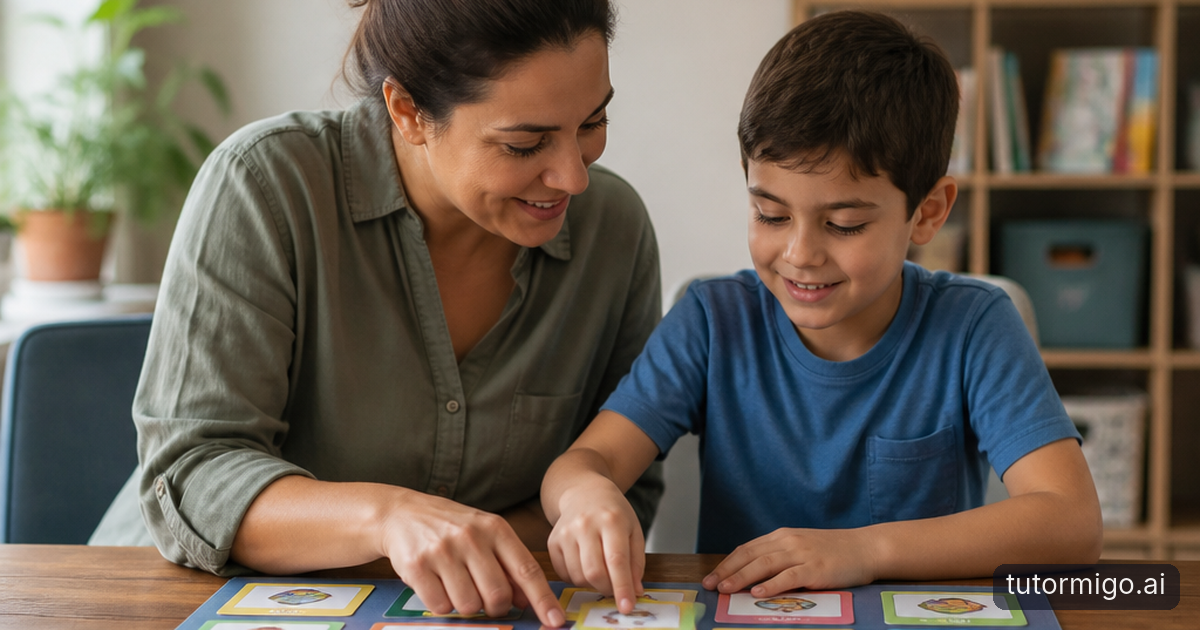
Shared reading supports children at many ages, including children who can already read independently. Take turns reading a page, read a chapter aloud while the child draws, or listen to the child explain an illustration. Older children may prefer that you read a book they are enjoying too, so you can discuss characters and plot without turning the conversation into a quiz.
Keep discussion natural. Instead of asking a string of comprehension questions, offer observations: “That character made a surprising choice,” or “The setting feels different now.” Then leave room for the child to respond. If they say very little, that is fine. A quiet shared experience still communicates that books are worth time and attention.
Reading aloud also removes some pressure from difficult text. You can introduce a story that is beyond a child’s independent reading level, model expression, and pause to explain an unfamiliar word when it matters. If your child wants to skip a page or hear the ending first, resist treating that as a failure. Curiosity can lead back to the pages.
Think of shared reading as time spent together with a book, not a lesson you must deliver perfectly.
Encourage Independent Reading Without Pressure
Independent reading grows when children feel trusted. Let your child choose where to read, which format to try, and whether to read silently or aloud. Some children focus better in a quiet corner; others like to read beside a parent who is doing separate work. You can be nearby without hovering over every word.
How much reading is enough? There is no single number that suits every child, age, schedule, or reading ability. A useful starting point is a short session that ends with energy left for tomorrow. If a child reads for ten focused minutes and returns to a book several times a week, that may be a stronger foundation than a forced hour once a week. Increase time gradually only when the routine feels comfortable.
Offer support without pressure by asking open questions: “What part was interesting?” “Do you want help with that word?” or “Would you like me to read the next page?” Praise decisions and persistence rather than speed: “You found a book that held your attention,” or “You came back to it today.” Avoid comparing siblings or making privileges depend on page counts. The aim is to help the child see reading as something they can manage and enjoy.
When a Child Refuses or Loses Interest
Refusal usually communicates something. The book may be too hard, too easy, emotionally uncomfortable, or simply poorly timed. A tired child may reject reading at bedtime even if they love stories at breakfast. Start with curiosity rather than correction: “Is the book not interesting, or is reading feeling hard today?” The answer can guide the next small change.
If interest disappears, change one variable at a time. Try a shorter book, a humorous story, a magazine, a recipe, a map, or an audiobook paired with the printed text. Read the first page yourself and stop before the child feels trapped. Revisit a favorite from an earlier year. Familiar stories can rebuild confidence because the child already knows the characters and general shape of the plot.
For persistent difficulty, talk with the child’s teacher or another qualified professional rather than assuming laziness. Keep home reading emotionally safe while you seek guidance. You can also remove the immediate demand: “We do not have to finish this book. Let’s choose one page or try again tomorrow.” If a child refuses repeatedly, protect the relationship first. A calm pause is more useful than a daily argument.
Support does not mean ignoring reading. It means adjusting the path so the child can re-enter it with dignity and choice.
Keep the Habit Enjoyable and Sustainable
Review your routine every few weeks with one simple question: “What is helping reading happen, and what is getting in the way?” Perhaps the reading corner is too close to a noisy television, the books no longer match current interests, or the chosen time overlaps with hunger and fatigue. Small adjustments are usually more effective than a complete reset.
Create occasional reading rituals that feel special without becoming rewards to earn. Bring books to a park, read under a blanket during a rainy afternoon, or have each family member share one funny or surprising line. Let children see adults reading for pleasure too. When reading appears in ordinary adult life, it feels less like a task assigned only to children.
A simple weekly plan might look like this: choose books together on Sunday, read aloud for ten minutes on Monday and Wednesday, offer independent choice on Friday, and leave the weekend open for rereading or library visits. If a day is missed, continue at the next opportunity instead of doubling the assignment.
Once you have a routine that feels calm and repeatable, the next step is to notice what helps your child stay engaged. TutorMigo.AI can be a useful option if you want additional visibility into learning progress alongside the reading habits you have built at home.
Frequently asked questions
There is no universal daily amount. Start with five to ten focused minutes several times a week, then add time only when the routine feels comfortable and sustainable.
Ask what feels difficult, change the book or timing, and offer a smaller choice such as one page or a read-aloud. If refusal continues, speak with the child’s teacher about possible barriers.
Offer choices, allow children to stop books that are not a good fit, praise persistence and curiosity, and avoid comparing siblings or tying reading to page-count rewards.
Yes. Shared reading models fluency, supports discussion, introduces richer texts, and keeps reading connected to warm time together rather than performance.
Enjoyed this read?
Like, share, or comment below.


Comments
0Sign in required · respectful discussion · replies supported
Loading comments…