


Choose a reliable home learning start, not a rigid timetable
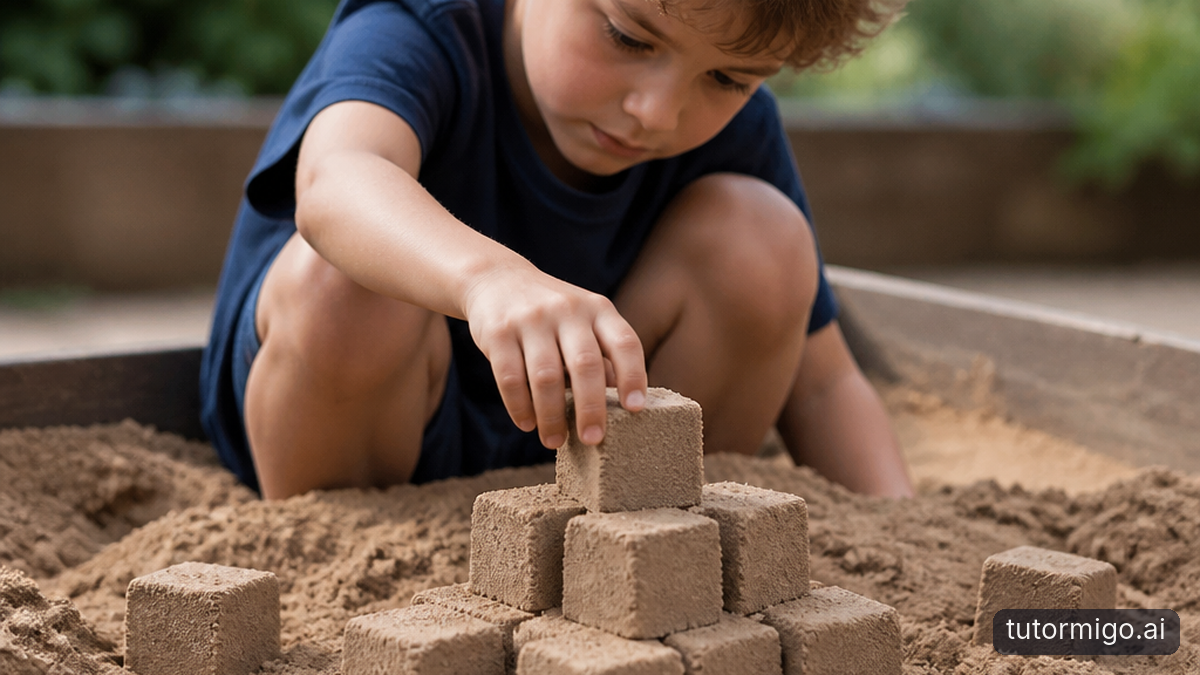
The best learning time is one your child can usually manage, not the slot that looks tidiest on paper. Notice what happens before difficult starts. Are they hungry, tired from the school day, or upset about stopping something enjoyable? You may know the assignment perfectly and still need to solve the transition before any learning can happen.
Choose a starting point together. One child might settle after a snack and some outdoor play; another might prefer finishing a short task before relaxing. Try linking homework to a familiar event, such as clearing the snack dishes, rather than depending entirely on an exact clock time. Give a brief heads-up before the transition: “After your snack, we’ll look at what needs doing.”
Agree on a backup version too. If an appointment interrupts the usual window, you might check tomorrow’s priorities after dinner and complete the most urgent task. Say what is changing and what stays familiar: “We’re starting later, but we’ll still choose one task and take a break.” For more help balancing commitments, this practical guide to building study schedules can support that conversation. Predictability comes from the sequence, not from making every afternoon identical.
Prepare a simple space that is easy to use

A useful learning space doesn’t require a separate room or a new desk. It needs somewhere comfortable to sit, enough light to see the work, and the materials for the first task. A corner of the kitchen table can work well. Keep pencils, paper, and other frequently needed supplies in a basket you can bring out and put away.
Look for the distractions that actually interrupt your child rather than trying to create perfect silence. If television draws their attention, switch it off during the work period. If a phone repeatedly interrupts, agree on a parking place for it. Explain that boundary beforehand, and follow it yourself where possible. Putting your own phone aside makes the expectation feel shared rather than imposed.
Let your child help choose a few details: which chair feels comfortable, whether they want water nearby, and where supplies belong. For example, if they leave the table repeatedly to sharpen a pencil, keep a spare ready. If siblings share the room, try separate corners or slightly different starting times. Change one obstacle at a time. The space is doing its job when getting ready feels ordinary and your child can find what they need without a lengthy search.
Agree on a small task and a visible finish
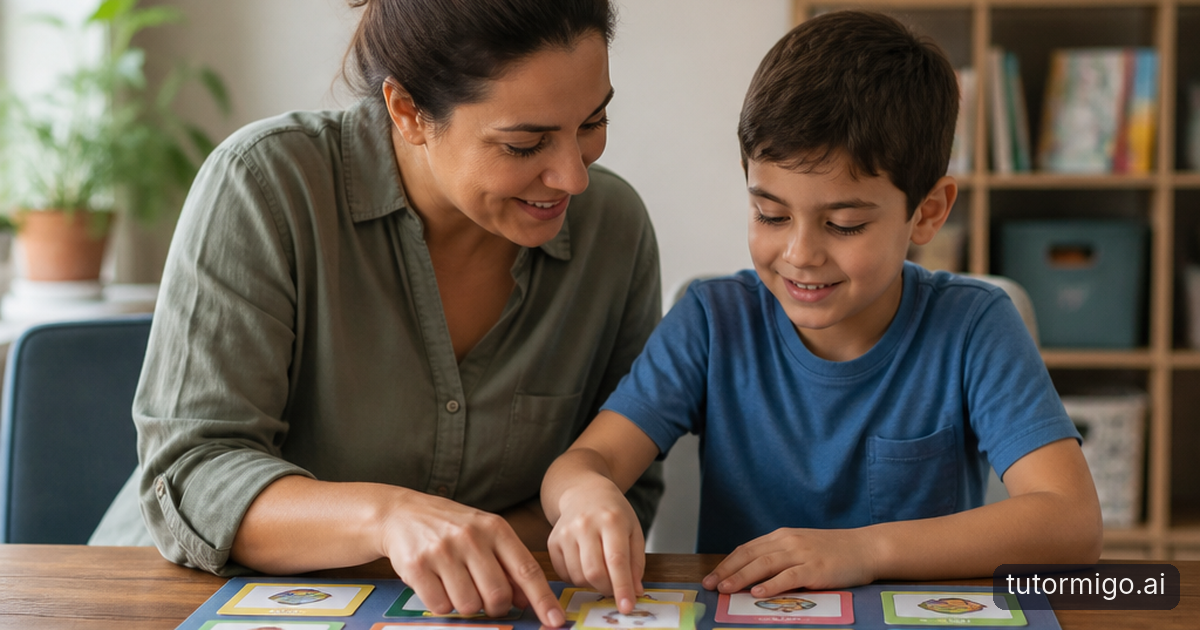
“Do your homework” can sound much bigger than the work itself. Before starting, spend a couple of minutes checking what is due and choosing a manageable first task. Replace “work on reading” with “read this short passage, then tell me what happened.” Replace “finish the worksheet” with “try the first three questions, then we’ll check how it’s going.”
Give a bounded choice rather than an open negotiation: “Would you rather start with reading or the first few questions?” You still hold the boundary that schoolwork needs attention, while your child has some control over the approach. Agree on what counts as finished for this work period. If the assignment is longer, make clear that this is one part of the plan, not a promise that everything will disappear afterward.
If your child gets stuck, separate understanding the instruction from doing the task. Ask, “What is this asking you to do?” Then help identify the first action without completing the work yourself. You might read the instruction aloud and let them explain it back. This guide to helping without taking over homework offers more ways to stay supportive. A clear finish makes effort feel manageable and gives you both something specific to review.
Keep sessions short enough to work, with useful breaks
There is no single session length that suits every child or every task. As an experiment, try a focused work period of around ten to fifteen minutes, followed by a short break. If getting started is especially difficult, five minutes may be a better entry point. A child who is comfortable and engaged may prefer a longer stretch. Watch how they respond rather than treating the timer as a rule.
Agree on the break before beginning. A drink, a stretch, or a brief walk around the room can provide a reset without creating another difficult transition. An open-ended video or game may be harder to leave. Say what comes next: “Let’s stretch, then come back for the last question.” If a visible timer causes more anxiety than reassurance, use a natural stopping point instead.
Encouragement works best when it describes something real. Try “You came back after the break” or “You asked for help when the instructions were confusing.” Avoid making every comment about speed or correct answers. If concentration fades repeatedly, shorten the next work period or make the task smaller. Breaks are part of the routine, not something your child must earn by struggling past their limit. Ending a manageable task calmly is more useful than extending a session simply to fill time.
Treat resistance as information and make progress visible
When your child refuses, pause before repeating the instruction more loudly. Resistance can mean “I don’t understand,” “I’m exhausted,” or “This feels too big,” even when it comes out as “I hate homework.” Keep your response brief and curious: “Is the hardest part starting, knowing what to do, or worrying you’ll get it wrong?” You don’t have to remove every expectation to listen.
Match your response to the obstacle. If starting is hard, sit nearby while your child opens the book and chooses the first question. If the work is confusing, ask them to show you where understanding stops. If they are overwhelmed, offer a short reset and a smaller next step. When the same difficulty keeps returning, contact the teacher with a specific example rather than adding more practice without knowing what is wrong.
Track a few useful observations, not every mistake. A notebook or parent dashboard can help you review progress, but keep your attention on patterns: easier starts, fewer reminders, or clearer requests for help. Tell your child what you notice and invite their view. “You started more easily when we put everything out first. Did that help?” Visibility should support a shared decision, not make home learning feel like constant surveillance.
Test one small routine, then review it together
For the next week, choose one change rather than rebuilding every afternoon. You could prepare the supply basket, start after a familiar event, or agree on the first task before sitting down. Tell your child this is a trial: “Let’s see whether this makes starting easier. We can change it if it doesn’t.” Keep the rest of the routine simple enough to repeat on an ordinary busy day.
After each session, make a brief mental or written note about what helped. Did hunger delay the start? Was the task too large? Did the break make returning easier? At the end of the week, ask your child what felt better and what still felt difficult. Share your own observation without turning the conversation into a verdict on their attitude. Choose one thing to keep and one thing to adjust.
Success might mean fewer arguments or a quicker recovery after a disrupted afternoon, not immediate independence. If you now want a shared place to review learning progress and manage learning controls, TutorMigo.ai ’s parent dashboard offers parent visibility and co-learning features. Whatever tools you use, keep the next step small: repeat what helped, change what didn’t, and let the routine develop with your child.
Frequently asked questions
Try ten to fifteen minutes as an initial experiment, or five minutes if starting feels difficult. Adjust to your child’s energy and the task. Use a short break or a natural stopping point rather than insisting on one fixed duration.
Ask whether the difficulty is starting, understanding the work, or feeling overwhelmed. Offer a small first step and a bounded choice. If confusion keeps recurring, share a specific example with the teacher.
Keep a familiar sequence even when the time changes: prepare, choose a task, work, then pause. Use a shorter backup routine on disrupted days and identify the most urgent work together.
Look for easier starts, fewer reminders, and more confident requests for help. After a week, compare observations with your child and adjust one part of the routine together.
Enjoyed this read?
Like, share, or comment below.


Comments
0Sign in required · respectful discussion · replies supported
Loading comments…