


When scores stay flat but you can see your child improving

It’s frustrating when your child’s score barely moves, even though homework takes fewer arguments and they’re starting to explain their thinking. Marks matter, but they don’t show every step forward. Use your parent dashboard alongside everyday observations to notice improvement, celebrate it specifically and choose a manageable next step.
You might see your child return to a difficult question instead of abandoning the page. They may still get the answer wrong, yet need less prompting to begin again. That is useful evidence: something about how they approach learning is changing, even if the final result looks familiar.
Keep both facts in view. You can say, “This result shows there’s more to practise, and I noticed you checked your work before asking for help.” You are neither dismissing the score nor letting it erase a genuine improvement. Avoid promising that better marks will arrive immediately; progress can be uneven.
Your role is to make small changes visible enough to discuss. Rather than asking only, “What did you get?”, try, “What can you do now that felt harder last week?” Then look together for one example that supports the answer.
Why recognising effort and improvement helps motivation last
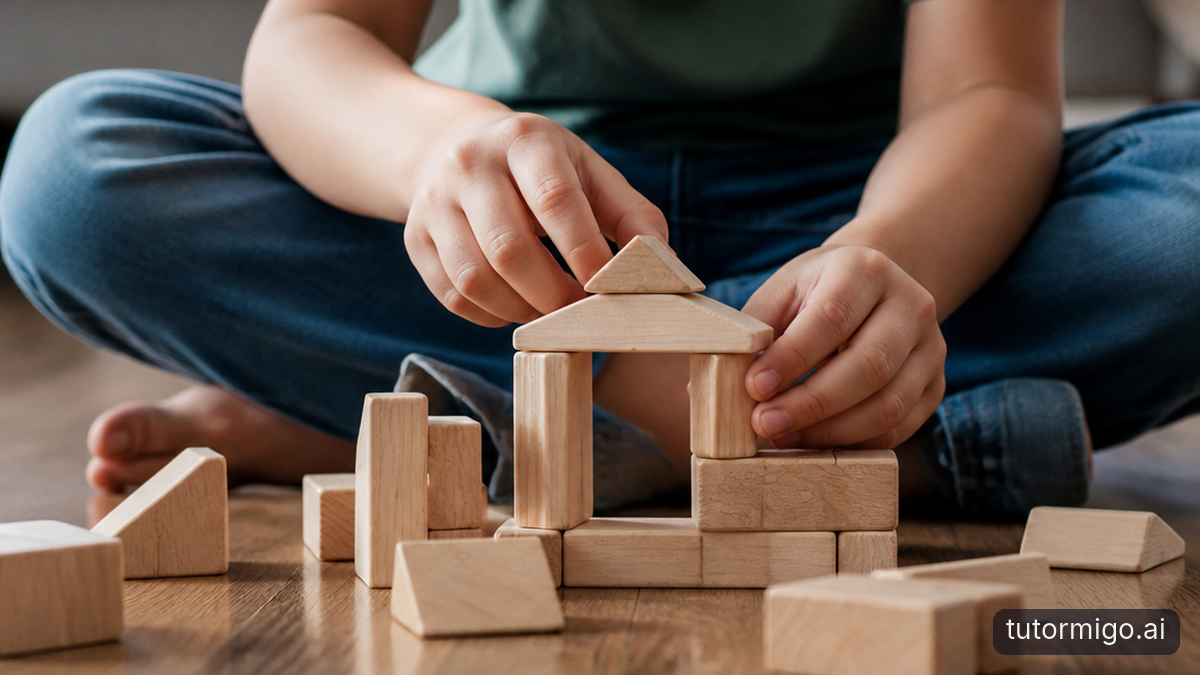
When the only celebration follows a high mark, your child may struggle to see the point of working through something they cannot yet do well. Recognising a useful action gives them another reason to continue: they can see that changing their approach matters, not just reaching a particular result.
Be precise about effort, though. “You worked so hard” can feel unhelpful after a long, frustrating session. Instead, name what made the effort productive: “When rereading didn’t help, you drew a diagram and found where you were stuck.” This highlights a strategy your child can choose again, rather than suggesting that spending longer always means learning more.
Leave room for their judgment too. Ask, “Which part are you pleased with?” They might value starting independently more than the neat page you noticed. Listening helps encouragement feel like recognition rather than another adult assessment. For more on keeping expectations manageable, explore supporting academic improvement without pressure.
Specific recognition does not guarantee motivation, and some days your child may still feel discouraged. It does give you a steadier response: acknowledge the difficulty, identify something useful they tried and help them decide what to try next.
What progress looks like: persistence, clearer explanations and fewer repeated mistakes
Persistence means returning with a purpose, not simply staying at the table. Notice when your child tries another approach, asks a focused question or resumes after a break. “You came back and tried the first part on your own” is more informative than praising them for struggling silently through an entire evening.
Clearer explanations show you more of their understanding. Compare “I just knew” with “I chose this because the question asks for a comparison.” You can invite this without turning homework into an interview: “Talk me through that choice.” If your child uses the AI Tutor workspace, ask them to explain one idea from the conversation in their own words.
Fewer repeated mistakes can matter even when other mistakes remain. Perhaps your child now checks the question wording but still needs help organising an answer. Compare similar pieces of work and name the specific change. Avoid comparing an easy task with a much harder one and treating the difference as a reliable measure.
Other useful signs include needing fewer reminders or identifying exactly where help is needed. Choose one or two signs that fit your child’s current difficulty; you do not need to monitor everything.
Use TutorMigo’s parent dashboard to review weekly progress and top struggle areas
Use TutorMigo.ai’s parent dashboard as a starting point for your weekly conversation, not a verdict on your child’s effort. Review weekly progress and top struggle areas together. Begin with, “What looks familiar here?” Your child’s explanation can add context that a summary alone cannot provide, including where they felt more confident or needed extra help.
Choose one struggle area and connect it to work you can actually examine. If it remains difficult, ask whether anything within it has changed. Can your child now begin independently? Explain the first step? Spot an error after a prompt? An area can still need attention while containing meaningful improvement.
Write a brief note in your own notebook: the difficulty, the improvement you observed and one next step. For example: “Still needs help structuring explanations; now gives a reason without prompting; next time, add a supporting detail.” This is your observation, not a claim that the dashboard measures every behaviour.
Keep the review narrow. You do not need to address every struggle area at once or change learning controls after every difficult session. Use the available visibility to guide a supportive conversation, then agree on a realistic focus together.
Celebrate milestones without bribes or pressure: specific praise you can use
A milestone can be small and meaningful: asking for help clearly, correcting a familiar mistake or finishing a difficult explanation with less support. Agree on what you are noticing, but avoid turning every improvement into a transaction. “If you get everything right, you earn a treat” shifts attention towards securing the reward.
Try language that describes the evidence instead. “Last week I reminded you to check the instructions. Today you checked them yourself.” Or: “You spotted that repeated mistake before I mentioned it.” For persistence, say, “You took a break and returned with a different approach.” Each example tells your child exactly what you noticed.
Then let them respond. Ask, “Does that feel different to you?” If they dismiss the improvement, do not insist they feel proud. You can say, “You’re disappointed with the result. I still wanted you to know I noticed that change.” Recognition does not require an enthusiastic reaction to count.
Celebration can simply mean pausing together, saving a piece of work your child chooses or sharing the achievement with someone they want to tell. Ask permission before sharing. Keep affection, ordinary family time and downtime separate from performance so encouragement does not become another condition to meet.
Build a weekly check-in that turns learning evidence into consistent encouragement
Choose a predictable, short weekly check-in when neither of you is already frustrated. Around ten minutes is a practical starting point, not a target you must complete. Explain the purpose: “We’re looking for one thing that’s improving and one thing that would make next week easier.” Keep it separate from correcting unfinished homework.
First, invite your child’s view: “What felt easier? What still felt difficult?” Next, look at weekly progress and top struggle areas in the parent dashboard. Pick one relevant piece of work to discuss. If your child used the AI Tutor, you can review a relevant conversation together through the workspace’s session history.
Then offer one evidence-based observation and ask whether they agree. “You explained your choice without my question this time. Did that feel easier?” If you disagree about progress, return to the example rather than arguing over whether they have worked hard enough. Their experience and your observation may capture different parts of the same session.
Finish by agreeing on one action: “Next week, we’ll practise adding a reason to one answer.” Note it in your own words and revisit it at the next check-in. End there, rather than adding several new expectations.
Start today: notice one improvement and agree on one next step
You do not need a new reward system or a detailed tracking sheet to begin. At your next home learning session, watch for one useful behaviour: starting without a reminder, explaining a choice or returning after getting stuck. Describe what happened while it is still fresh, without attaching a prediction about the next mark.
Try this: “You noticed you hadn’t answered the whole question and went back to it yourself. That’s something you needed help with before.” Then pause. Your child might want to explain what helped, or they might simply want to move on. Either response is fine; you have made the improvement visible.
Before the week ends, open the parent dashboard together and choose one top struggle area to discuss. Pair it with an example from their work, then agree on a small next step that fits the difficulty. Put your next brief check-in on the family calendar so encouragement does not depend on remembering during a busy evening.
Keep marks in the picture, but give them company: a clearer explanation, a better strategy and a mistake your child now catches. The immediate goal is not a bigger celebration. It is a more accurate, encouraging conversation about learning. For more on planning steady progress, read Term Goals That Stick: A Parent Dashboard Routine, and to encourage your child's growing independence, see Independent Learning: Helping Your Child Study Alone.
Frequently asked questions
Recognise a specific change while acknowledging the difficulty. Compare similar work and agree on one next step; do not promise an immediate score increase.
Start with a brief weekly review. Discuss one improvement and one struggle area rather than checking repeatedly for changes.
Describe the improvement, invite your child’s view and offer to save work they feel pleased with. Let them choose whether to share it.
Enjoyed this read?
Like, share, or comment below.



Comments
0Sign in required · respectful discussion · replies supported
Loading comments…