


Learning Through Play: Addressing Study-Time Boredom
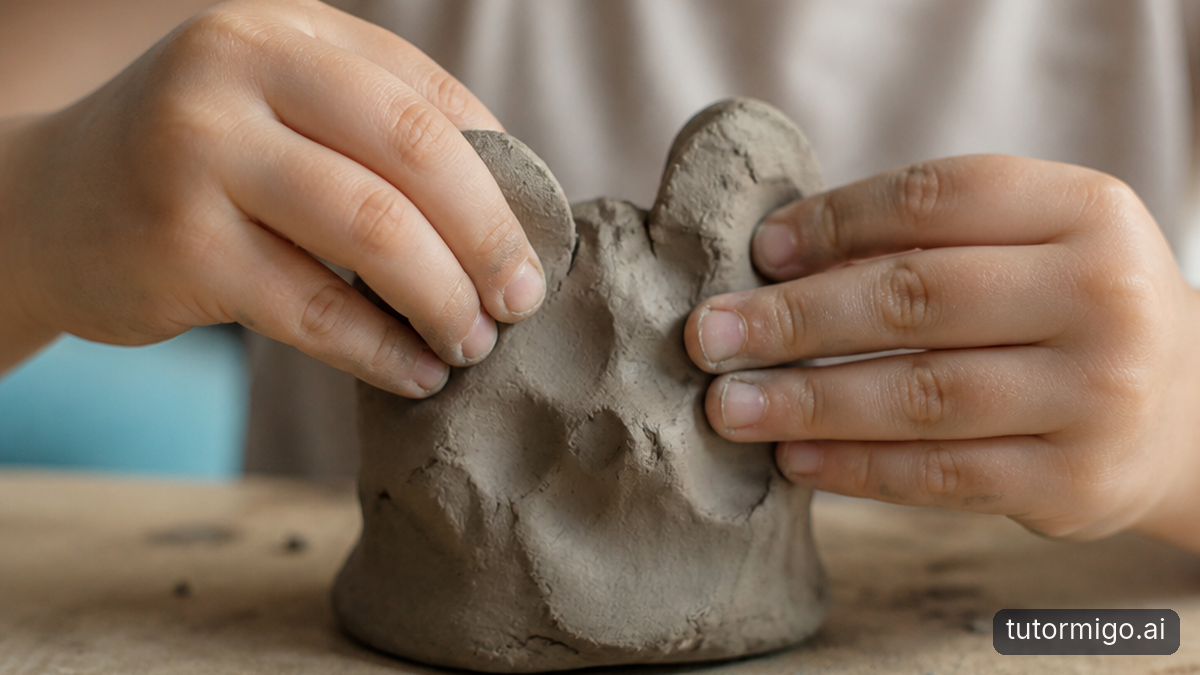
Does study time turn into bargaining before your child even opens a book? To make learning fun for kids, give them something to do: solve a puzzle, build a model, explain an idea, or tackle a small challenge. Add meaningful choices, supportive feedback, and breaks that fit your child.
Losing interest does not automatically mean a child dislikes learning. A task might feel confusing, repetitive, disconnected from everyday life, or too difficult to start. Tiredness and worry can also get in the way. Before changing the activity, ask, “Which part feels tricky or boring?” Their answer gives you a better starting point than another reminder to concentrate.
Passive learning mainly asks children to receive information, such as watching an explanation. Interactive learning for kids asks them to respond, test, discuss, or create. Neither format is automatically good or bad: a short demonstration can help, especially when your child then tries the idea themselves.
For example, after watching how bridges work, invite your child to build one with blocks and explain why it stays upright. Harvard’s activity guide for practicing executive-function skills offers further examples of purposeful play. The goal is participation, not constant entertainment.
Start with choice, games, and small challenges

1. Offer two useful choices
If you are wondering how to motivate children to study, begin with a little ownership. Ask, “Would you rather explain this with a drawing or act it out?” Both options should serve the same learning goal. Choosing between two manageable activities can make starting feel less like obeying an instruction. Keep the boundary clear: your child chooses how to practice, not whether every necessary task disappears.
2. Turn practice into a cooperative game
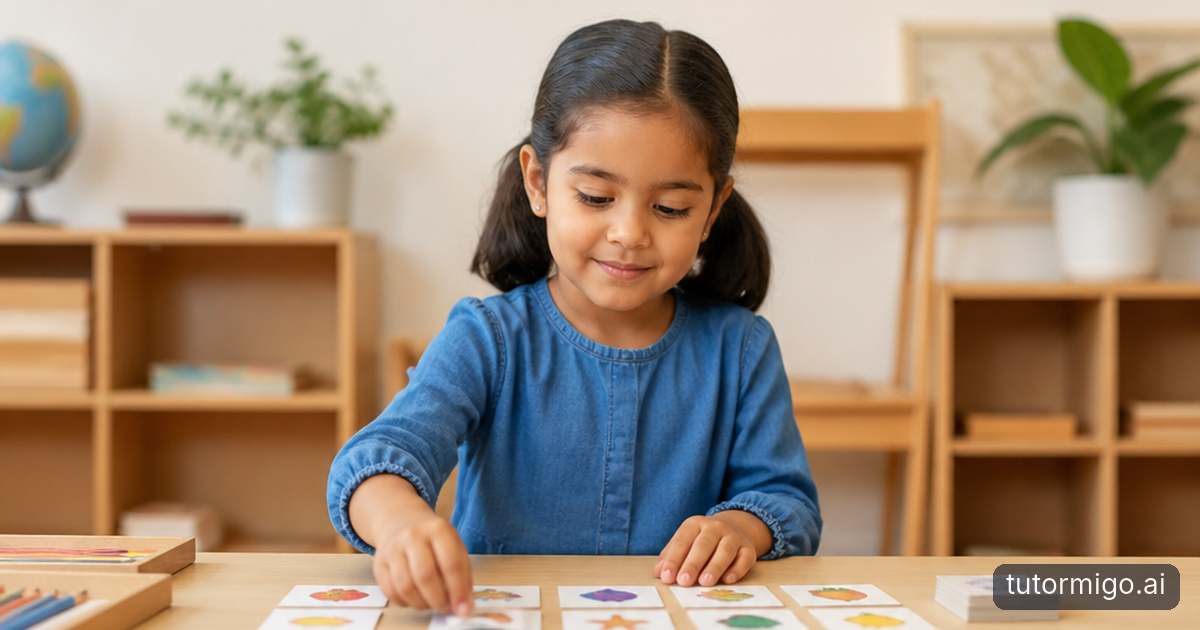
Educational games for students work best when the learning is part of the action. Play a vocabulary guessing game: one person describes a word without saying it, and the other guesses and explains the clue. Then swap roles. Work together to improve your previous round rather than ranking family members. Avoid speed contests when your child needs time to think.
3. Set a small, specific challenge
Replace “finish everything” with “find one mistake and explain how to fix it.” For reading, challenge your child to locate a sentence that reveals how a character feels. For science, ask them to predict which material will keep an ice cube coldest. A clear finish line makes the task easier to understand.
Return to useful questions on later days rather than repeating them endlessly in one sitting. The Institute of Education Sciences’ guide to organizing instruction and study discusses spaced learning and retrieval practice. Keep challenges low-pressure: mistakes should guide the next attempt, not cost a child their chance to participate.
Make learning hands-on, conversational, and creative
4. Connect a topic to everyday life
Fun educational activities for children do not need special equipment. While preparing a snack, compare containers and predict which holds more. On a walk, sort leaves by shape and explain the sorting rule. Choose one question to investigate instead of turning the entire outing into a quiz. Follow your child’s curiosity when it connects naturally to what they are learning.
5. Let your child become the teacher
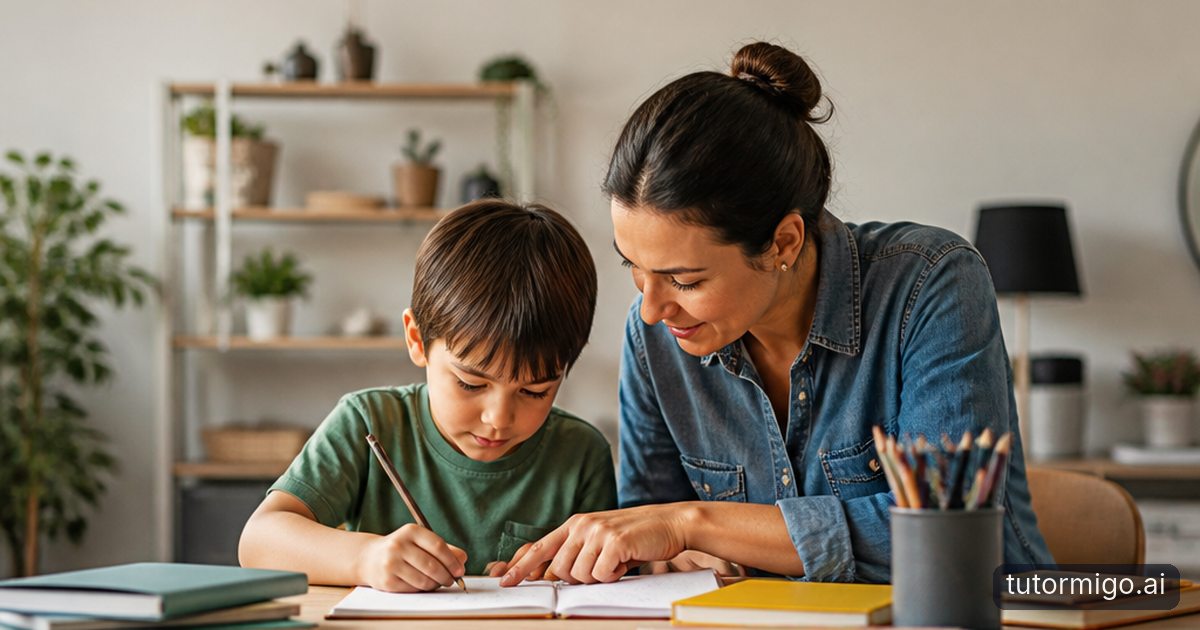
Ask your child to teach you something they have just practiced. You might say, “Pretend I have never seen this before. What should I notice first?” If their explanation contains a gap, ask a curious question rather than immediately correcting it. Take turns explaining so the activity feels like a conversation, not a disguised test. A toy can become the audience if teaching an adult feels intimidating.
6. Build, draw, or dramatize an idea
Invite your child to make a paper habitat, sketch a story’s setting, or act out how water moves through its cycle. Before starting, agree on what the creation should show. Afterward, ask, “Which part helps explain the idea?” That reflection keeps the activity connected to learning rather than decoration alone.
These engaging learning methods also reveal misunderstandings you might miss on a completed worksheet. If a model does not match the explanation, explore the difference together. You can say, “Let’s check what happens here,” and revise one detail without treating the whole project as wrong.
Add a learning adventure and a visible finish line
7. Create a question-led treasure hunt
Hide a few clues around one room, with each clue requiring an explanation before the next discovery. A reading clue might ask your child to find an object matching a description. A science clue could ask them to locate something flexible and explain what makes it different from something rigid. Keep the search area manageable and avoid making every clue harder than the last.
Build in discussion: “What made you choose that object?” often tells you more than whether the answer matches yours. If a clue frustrates your child, offer a hint or solve it together. The game should support the learning goal, not become an obstacle course that hides it.
8. Make progress visible without making it a competition
At the end of a session, ask your child to record one thing they can now explain and one question they still have. A simple notebook works. Next time, revisit the question and notice what has changed. Recognize specific actions: “You tried a different approach when the first one did not work.”
Avoid rewarding only correct answers or comparing siblings. Your child can also choose tomorrow’s first activity as a small celebration of finishing today’s task. For more manageable ways to build momentum, explore building learning confidence one problem at a time. Visible progress should help children recognize their own growing understanding.
Balance educational technology with offline learning
Screen time is not one uniform activity. Watching unrelated clips, discussing a question with an adult, and using an interactive whiteboard involve different experiences. Look at what your child is doing, why they are doing it, and what the activity displaces—not just whether a screen is involved.
Before opening an educational tool, agree on a purpose and a stopping point. For example: “We will work through this confusing idea, then explain it using paper.” Keep devices from crowding out sleep, movement, meals, and relationships. The American Academy of Pediatrics’ Family Media Plan can help you set household expectations around your family’s needs.
Stay nearby when your child tries unfamiliar technology. Ask them to explain what they are learning and check important information together. An AI Tutor can support a discussion, but a fluent answer still deserves thoughtful checking. Teach your child not to share identifying details, and follow the service’s age and account requirements.
Move between digital and physical activities deliberately. After reviewing vocabulary on screen, play an offline guessing game with the same words. After exploring a math idea, explain the steps on paper. Our practical parent’s guide to safer AI learning offers additional considerations for setting boundaries and supervising use.
Use TutorMigo.ai to support your next playful session
TutorMigo.ai can support parent-led games and interactive practice through its listed study tools; you do not need to assume a separate built-in gaming mode. For example, use the interactive whiteboard to explore a diagram, then ask your child to explain it as a detective solving a mystery. The game comes from your shared challenge, while the tool provides a place to work.
The AI Tutor Workspace offers personalized tutoring chat and session history. You and your child can revisit an earlier discussion instead of starting every session with a blank conversation. Ask your child what they remember before reviewing the history, then choose one unresolved question to explore with the AI Tutor.
Flashcards provide spaced-repetition decks, AI-assisted card creation, and review scheduling. You could turn selected review cards into a cooperative guessing round, checking suggested cards for accuracy and suitability first. Among the practical TutorMigo benefits are these dedicated review tools and parent visibility into progress through the Parent Dashboard.
When comparing a tutoring workspace with a general-purpose chatbot, look for the tools your family will actually use: accessible session history, scheduled review, and parent oversight. Start small tonight: choose one topic, one playful technique, and one clear stopping point. Explore TutorMigo.ai to see whether its workspace and study tools fit that routine.
Frequently asked questions
Use household objects for sorting, turn vocabulary into a guessing game, or ask your child to teach a toy. Keep one clear learning goal and let your child choose between two activities.
Ask whether the task feels confusing, childish, tiring, or too difficult. Offer another format, such as drawing or discussion. You do not need to turn every learning task into a game.
Consider your child’s age, needs, activity, and family guidance rather than assuming educational content is unlimited. Set boundaries that protect sleep, movement, relationships, and offline play.
Its personalized tutoring workspace, interactive study tools, and spaced-repetition flashcards can support varied practice. Parents can add cooperative challenges and use the Parent Dashboard for visibility into progress.
Enjoyed this read?
Like, share, or comment below.

Comments
0Sign in required · respectful discussion · replies supported
Loading comments…