


Build Study Focus With One Smaller Step
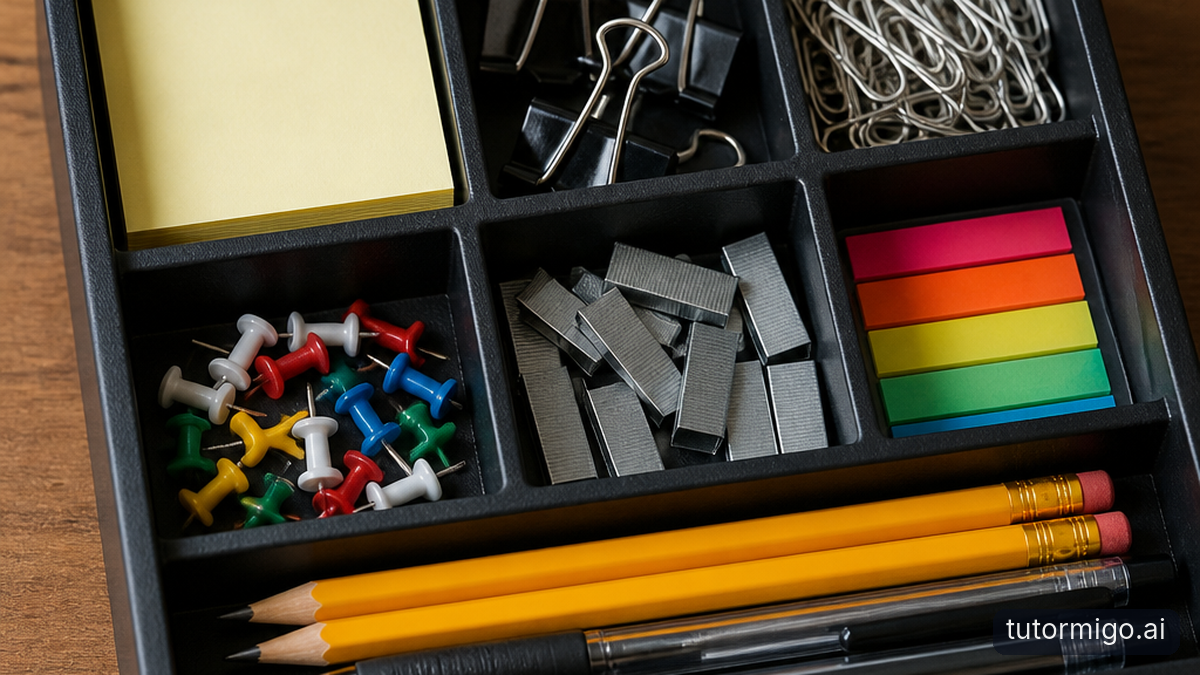
You’ve opened your notes, read the same line twice, and still haven’t started. When you’re tired, the next step may need to get smaller—not stricter. Choose one answerable question, give it five minutes, move one distraction away, and decide where you’ll stop before you begin.
Knowing what you need to study doesn’t automatically make starting easy. “Review the chapter” sounds clear until you’re sitting there with heavy eyes and several pages of information. It contains hidden decisions: where to begin, what to do, and how much will count. Making those decisions while tired can become a task of its own.
Instead of asking yourself to feel motivated, make the action obvious. Change “study biology” to “cover the explanation and name the job of one cell structure.” You haven’t lowered the importance of learning. You’ve reduced the size of the doorway into it.
When energy is low, focus on how to study in a way you can manage, rather than how long you think you should last. A small task won’t erase tiredness, but it can help you find out whether a little useful work is possible—or whether you need rest.
Choose What to Tackle First: One Question, One Paragraph, or One Definition
Start with the smallest useful piece of the work that matters next. If an assignment is due tomorrow, choose one question from that assignment rather than reorganizing your whole notebook. If you’re reviewing for a lesson, choose one idea you’re unsure about. Urgency helps you select the topic; your available energy helps you select the size.
Make the task something you can finish and recognize. “Understand this section” has no clear edge. “Read this paragraph, close the book, and explain its main point in one sentence” does. For vocabulary, look at one term, try its meaning from memory, then check. For a worked problem, explain why the first step was used.
Choose a manageable entry point, not necessarily the hardest item. You might begin with a familiar example that prepares you for the next question. But avoid spending your limited energy choosing pen colors or perfecting your workspace when the actual task is already available.
If you’re stuck between two options, pick the one you can attempt without opening another resource. The goal is to replace deciding with doing. You can reconsider your priorities after you’ve completed that first small piece.
Try a Five-Minute Start—and Let It Count Even If That’s All You Can Do
Set a timer for five minutes and give those minutes one job. You might attempt one question, explain one paragraph aloud, or review a few definitions from memory. Open only the materials that task needs. The timer is a boundary around a small attempt, not a challenge to squeeze a full session into less time.
For example, spend the first moment reading a question, then try answering without checking your notes. Use the remaining time to compare your answer with the explanation and mark one missing detail. Even if the answer is incomplete, you now know something specific about what needs attention.
When the timer ends, pause. If you feel reasonably alert, you can choose another short round. If you’re still drained, stop and leave yourself a note such as, “Next: explain why the second example is different.” That makes returning easier than facing an unexplained half-finished page.
Five minutes can count without secretly becoming thirty. It may not finish your workload, but it can complete a useful task or reveal a gap. For more examples, try these ideas for short practice that feels easier to start. Continuing is an option, not the condition that makes your effort valid.
Remove One Immediate Distraction Before You Begin
Don’t turn distraction control into another project. Look for the thing most likely to interrupt your next five minutes and change that one thing. If your phone keeps drawing your eyes, put it on a shelf beyond arm’s reach. If an unrelated browser tab keeps tempting you, close it and leave the study material visible.
The best adjustment depends on what is actually pulling you away. A cluttered desk may not matter if you’re working comfortably on one page. A group chat may matter a lot if every notification breaks your train of thought. You don’t need an ideal environment; you need a little less competition for your attention.
Suppose you’re reading a paragraph but checking messages after every sentence. Move the phone before restarting the paragraph. If you need your device for the material, silence nonessential notifications and open the exact page you need. Keep necessary contact options available when your circumstances require them.
If an unrelated thought interrupts, write a brief reminder on scrap paper and return to the task. You don’t have to act on every thought immediately. For recurring interruptions, these suggestions on staying focused while studying can help you make a more targeted adjustment.
Set a Stopping Point You Can Manage While Tired
Before you begin, decide what “done for now” means. A tired brain can find an open-ended session difficult to approach because there’s no visible finish. “Study until I understand everything” asks for an uncertain amount of effort. “Attempt this question, check the answer, and note one correction” gives you a reachable endpoint.
You can use a task boundary, a time boundary, or both. For example, plan to review one paragraph for up to five minutes. If you finish early, you’re allowed to stop. If the timer ends before you finish, mark your place rather than rushing to claim completion. Neither boundary needs to become a test of character.
Make room for a brief handoff to your future self. Write what you attempted, what remains unclear, and the next action. “I can name the process, but I need to explain its purpose” is more useful than “study more.” It also keeps a small session from disappearing into a vague memory of trying.
If a deadline means more work remains, acknowledge that honestly. This stopping point doesn’t make the workload vanish. It gives you a defined piece to complete before you assess whether another round, a break, or a revised plan is realistic.
Know When Rest Will Help More Than Another Study Session
A smaller task can help with starting, but it cannot replace sleep or recovery. If you’re nodding off, repeatedly losing your place, or unable to explain a sentence you’ve just read several times, pushing through may produce little useful learning. Those are reasons to pause and check what you need, not proof that you lack discipline.
Distinguish reluctance from exhaustion by looking at what happens during a tiny attempt. You may feel resistant at first but become engaged once you answer a question. Or you may keep rereading without taking anything in. You don’t need to force another round simply because you managed to sit at the desk.
If you’ve been working for a while, a short break away from the material may help you reassess. Get water, eat if you’ve missed a meal, or move around gently. If you’re short on sleep and struggling to stay awake, protecting time for sleep is often more sensible than extending the session.
Before resting, leave one clear restart cue: the page, question, and first action for next time. That’s enough preparation. If tiredness is persistent, unusual for you, or affecting daily life despite adequate rest, consider discussing it with a healthcare professional.
Choose One Small Study Action to Try Right Now
Look at the material in front of you and choose a single action you could describe in one breath. Read one paragraph and summarize it without looking. Try the first part of one question. Cover one definition and recall its meaning. Pick the option that serves your next priority without requiring a long setup.
Now remove one immediate distraction and decide on your stopping point. You could tell yourself, “I’ll try this question for five minutes, check what I can, then decide whether to continue.” That sentence gives you a task, a boundary, and permission to reassess. You don’t need to promise a productive evening before you can begin.
If even that feels beyond your current capacity, choose the rest plan instead. Mark the exact place to return to and close the material. A deliberate pause with a clear next step is different from spending another hour staring at the same page and feeling worse about it.
If reviewing a few definitions is your chosen next step, TutorMigo.ai offers flashcard decks with review scheduling to support that practice. Whether you use a tool or a scrap of paper, your next move can stay small: choose one item, try it, and let that attempt count.
Frequently asked questions
Choose one small task connected to your nearest priority: one question, one paragraph, or one definition. Make the action specific enough that you’ll know when you’ve finished.
Let it count. Attempt one useful task, check what you can, and leave a clear note about where to resume. You don’t have to continue for the short session to be worthwhile.
Rest is usually the better choice when you’re struggling to stay awake or repeatedly reading without understanding. A smaller task can reduce starting friction, but it cannot substitute for needed sleep.
Enjoyed this read?
Like, share, or comment below.



Comments
0Sign in required · respectful discussion · replies supported
Loading comments…