


Homework Help When Dinner Needs Attention
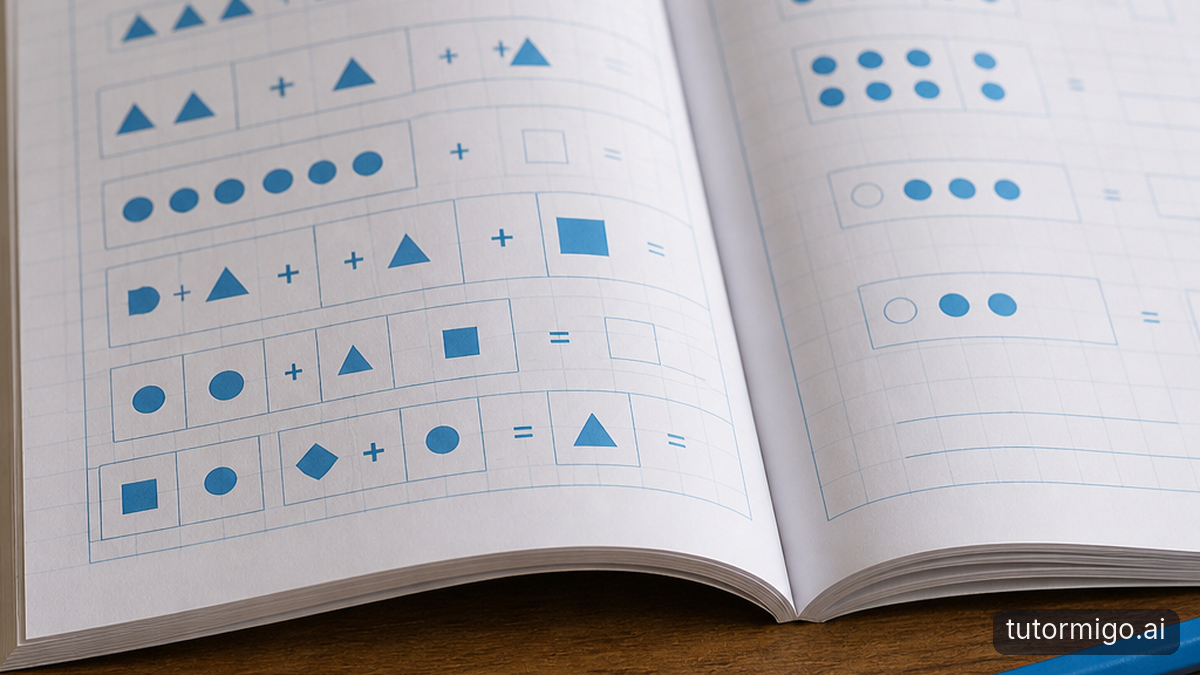
Dinner needs stirring, and your child has stopped at a homework question. You cannot sit down immediately, but you do not want frustration to build. To focus on reducing homework friction, give your child a small first move, a clear time for help, and guidance that leaves the thinking to them.
That is different from saying, “Keep trying,” while hoping the problem disappears. A child who has already reread the same sentence several times needs something more specific. Try: “Put a mark beside the part that confused you. I’ll come over when I’ve turned off the stove.” Before you turn away, check that they understand what to do while they wait.
Your availability does not have to be immediate to feel dependable. What helps is replacing an uncertain wait with a small plan. Perhaps your child can find the example from class or move to another question they understand.
The aim is not a silent evening or a perfectly completed page. It is a workable handoff: your child knows what to try, you know when to check back, and being stuck becomes a problem you can investigate rather than an argument about effort.
Find the Sticking Point: The Instructions, the Topic, or the Next Step?

“I don’t get it” can mean several different things. Before explaining the whole topic, ask your child to point to the exact place where they lost track. Then say, “Tell me what you think this question wants you to do.” Their response usually gives you a better starting point than the unfinished page alone.
If the instructions are the obstacle, your child may understand the material but not words such as “compare” or “justify.” Ask them to restate the task in everyday language. For a reading question, that might become: “Find a detail that shows why the character changed their mind.” Clarifying the task is not the same as supplying the detail.
If the topic is unfamiliar, look for the relevant class notes or worked example together. Ask which part looks familiar and which part does not. If they understand the topic but cannot begin, narrow the question: “What information have you been given?” or “What could you write down first?”
A useful check is to ask your child to finish this sentence: “I understand this part, but I’m unsure about…” If they cannot name anything yet, read the prompt aloud together without demanding an immediate solution.
What Your Child Can Try Before Asking for Help
Agree on a short “try first” sequence while everyone is calm. Keep it simple enough to remember: reread the question, locate a related example, and make one small attempt. This is not a test your child must pass before receiving help. It is a way to make the eventual conversation more useful.
Rereading should have a purpose. Your child could underline the action word and circle the information they need. With a writing task, they might say their idea aloud before attempting a sentence. With a calculation, they could identify what they know and what they are being asked to find, without guessing at a method.
Next, suggest checking a class example for its approach rather than copying its result. Ask, “What did the example do first?” Your child might notice that it sorted information, drew a sketch, or returned to a passage for evidence.
Finally, encourage a visible attempt, even if it is incomplete. A sketch, a few notes, or a spoken explanation gives a helper something to respond to. If these moves produce no progress, your child can write a specific question and switch to another manageable task until you are available.
Set a Simple Homework Routine for When You’re Busy
A manageable routine needs fewer moving parts than a perfect timetable. Before homework begins, take a brief look together at what is due, what looks straightforward, and what may need support. Choose a starting task and agree on when you will check in. Make that promise realistic around dinner, work, or other responsibilities.
For example, you might say, “Start with the reading questions while I get dinner ready. If you get stuck, mark the question and try your notes. We’ll check in before we eat.” Set out the books, pencils, and other materials first so missing supplies do not become another interruption.
Use a short work period that suits your child’s current capacity, followed by a brief pause. Watch whether they are making progress rather than insisting on a particular stretch of uninterrupted sitting. A child who is tired may need a drink, movement, or a smaller starting task.
Keep one consistent place for unresolved questions, such as a scrap of paper beside the assignment. At your check-in, address those questions first. For more ways to fit support around family life, see this realistic home learning routine for busy parents.
Choose Guidance That Offers Hints and Questions, Not Just Answers
Another source of guidance can bridge the gap when you are unavailable or unsure how to explain something. Start with resources connected to the assignment: class notes, a teacher-provided explanation, or a worked example. A trusted person or an interactive learning resource may also help, provided its use fits the teacher’s rules.
Judge the guidance by what your child does next. Does it invite them to explain their thinking, attempt a step, and check their reasoning? Or does it deliver a finished response that they can copy without understanding? Fast completion is not the same as useful help.
Give your child language for requesting support: “I understand the instructions, but I don’t know how to start. Give me one hint, then let me try.” For a reading task, useful guidance might ask which paragraph contains relevant evidence instead of writing the response. For a calculation, it might offer a similar example rather than complete the assigned question.
Afterward, ask your child to explain their next move in their own words. If they can only repeat the helper’s wording, return to a smaller step. Check unfamiliar methods against classroom materials, and remind your child not to share personal information with online services.
When to Step In—and How to Help Without Taking Over
Step in when your child has tried the agreed first moves without progress, when confusion is spreading across the assignment, or when frustration is making it hard to think. You do not need to wait for tears. Repeated erasing, harsh self-talk, and staring at the same line can all be reasons to pause and check what is happening.
Begin with connection rather than correction: “This seems frustrating. Show me where you got stuck.” Sit beside them if you can, but leave the pencil in their hand. Ask one question, then give them time to respond. Several rapid prompts can feel like another task to manage.
If you do not know the method, say so plainly: “I learned this differently. Let’s look at your class example.” You can help locate information and clarify the question without pretending to know every answer. This guide to supporting homework without knowing every answer offers more ways to take that role.
When support is not enough, stop the unproductive struggle. Note what your child tried and the question they need to ask their teacher. If the same difficulty keeps returning, contact the teacher with that specific pattern rather than simply reporting that homework takes too long.
Your Next Homework Session: A Simple Plan for Less Friction
At the next session, spend a few minutes agreeing on three things: the first task, what your child will try if they get stuck, and when you will be available. Say the plan aloud together. “You’ll start with the questions you understand, check your notes if needed, and show me any marked questions after I finish cooking.”
When a question causes trouble, identify whether the problem is the instructions, the topic, or the next step. Offer the smallest useful nudge, then hand the thinking back. If you use another source of guidance, ask for a hint or similar example rather than a completed answer.
End with a quick check: “What helped you get moving today?” Notice a specific action, such as finding a class example or asking a clearer question. Also identify anything that still needs the teacher’s attention. This keeps success tied to useful habits, not just a finished page.
If you want another place to seek explanations when you cannot sit beside your child, TutorMigo.ai offers a personal tutoring workspace; you can ask for one hint at a time and have your child explain each next step. Keep the same boundary regardless of the helper: guidance supports your child’s work rather than replacing it.
Frequently asked questions
Mark the confusing part, check a relevant class example, and make one small attempt. If they remain stuck, they can note their question and move to a task they understand.
Ask your child to show you the class example. Help them identify their question, and contact the teacher if the explanation remains unclear rather than insisting on a different method.
Ask your child to explain their next step without repeating a supplied answer. Useful guidance leaves them able to attempt something themselves.
Explore TutorMigo
Enjoyed this read?
Like, share, or comment below.



Comments
0Sign in required · respectful discussion · replies supported
Loading comments…