


Start your homework routine with a small plan
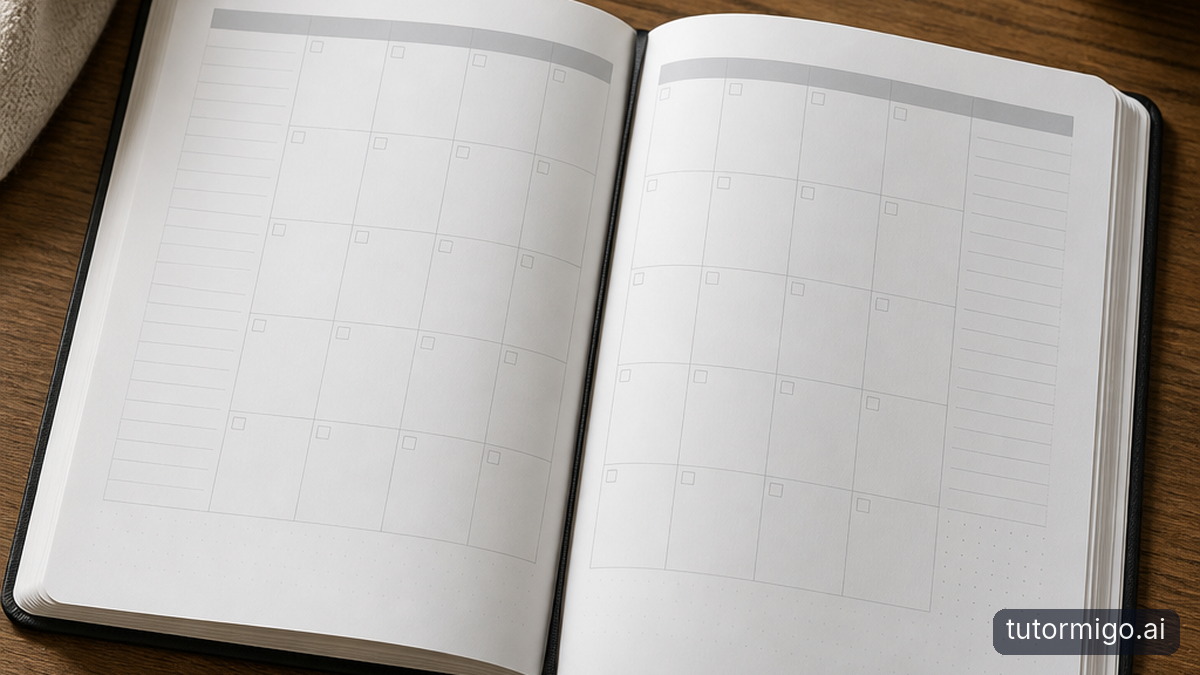
Before you begin, spend a few minutes finding out what actually needs doing. Check your assignments, deadlines, and any instructions you might otherwise discover halfway through. Then turn each task into a visible action. “Work on history” is vague; “read the assigned pages and answer the first three questions” gives you a clear starting point and a finish line.
Estimate how long each task might take, but treat those estimates as guesses rather than promises. If reading usually takes longer than you expect, leave room for that. A plan that fills every available minute will fall apart as soon as you need to reread a paragraph or find a missing worksheet. Keep a little breathing room between homework and the rest of your evening.
Choose your first task deliberately. If you have decent energy, start with the most demanding assignment that is due soon. If starting feels impossible, begin with a short, useful task to get moving, then switch to the harder work. For example, organize your essay notes before drafting the introduction. Avoid spending the whole evening checking off easy tasks while the important one waits.
Set up a space that makes focusing easier

You do not need a beautiful desk or a dedicated study room. You need a workable surface, enough light, and the materials for your next task. Put your notebook, reading, pencil, and water within reach. Move unrelated papers aside. Reducing the number of times you have to get up also reduces opportunities to wander into something else.
Deal with your most tempting distraction before it interrupts you. If you keep checking your phone, silence nonessential notifications and put it out of reach. If you need a device for homework, open the relevant document or website and close unrelated tabs. Where practical, use full-screen mode so messages and other windows are less visible. Keep essential communication available if someone needs to reach you.
Shared spaces need realistic agreements, not demands for perfect silence. You might tell others, “I’m reading until the timer rings; then I can talk.” If sound bothers you, try a quieter seat or comfortable headphones when appropriate. Background music is optional: compare how easily you understand a page with and without it. Keep what helps you work, rather than copying someone else’s ideal setup.
Work in focused stretches with breaks that refresh you
A long, undefined homework session can feel harder than the assignment itself. Give each stretch of work a modest boundary. You might try twenty minutes of focused effort followed by a five-minute break, then adjust. A difficult reading task may need a shorter stretch; an essay that is flowing may deserve a little longer. The timer is a support, not a rule you must obey.
Decide what you will attempt before starting it. “Draft one paragraph using these notes” is more useful than “be productive.” During that stretch, keep a scrap of paper nearby for unrelated thoughts. If you remember a message you need to send or something you need to pack, write it down and return to the assignment rather than acting on it immediately.
Choose breaks with an easy ending. Stand up, stretch, refill your water, or look outside. A short video can turn into several, so save that for a time when returning promptly does not matter. Before stepping away, leave yourself a re-entry cue, such as “next: find evidence for the second point.” Coming back is easier when you do not have to decide all over again where to start.
Make the work active, and get unstuck sooner
Being busy is not always the same as learning. Instead of rereading a page repeatedly, close the book and explain its main idea in your own words. For written work, sketch the point you want to make before polishing sentences. For practice questions, attempt the next step yourself before looking at a worked example. These small changes make gaps in understanding easier to notice.
When you get stuck, identify the obstacle precisely. Do you not understand the instruction, a particular term, or how to begin? Try one relevant move: reread the directions, look up the term in your notes, or compare the task with a similar example. Avoid repeatedly trying the same unsuccessful approach while frustration builds. You can mark the question, move on temporarily, and return with a clearer head.
If you need help, bring your attempt and a specific question. “I understand the example, but I don’t know why this step comes next” gives a teacher or study partner something useful to explain. If you are supporting someone with homework, ask them to describe their thinking before offering an answer. The aim is to help the learner make the next move, not to take over the assignment.
Make room for choice, comfort, and a clear finish
Homework does not have to become a game to feel less unpleasant. Often, a little control makes the difference. Choose between two sensible starting tasks, decide whether to write notes by hand or type them when permitted, or pick a comfortable place to read. Keep the learning goal fixed while allowing flexibility in how you approach it. Small choices can make a required task feel less imposed.
Notice basic discomfort before treating every difficult evening as a motivation problem. Hunger, thirst, fatigue, and an awkward chair can make concentration harder. If you arrive home drained, try a snack and a short reset before beginning. If evenings are regularly exhausting, consider whether part of the work can happen earlier. The best routine fits your actual energy and responsibilities, not an imaginary version of your day.
Make progress visible without demanding perfection. Cross off completed actions, collect questions you have resolved, and define what “done” means for each assignment. For an essay, that might mean checking the instructions, reviewing the argument, and proofreading once—not rewriting indefinitely. Plan something pleasant afterward, such as a walk or time with friends. You are making space for life beyond homework, not earning permission to meet basic needs.
Try one change at your next homework session
You do not need to rebuild your whole routine tonight. Choose the biggest source of friction and test one change for the next few sessions. If starting is the problem, write down your first concrete action before your break after school. If interruptions are the problem, move your phone. If confusion stalls everything, keep a question list and ask for help sooner.
At the end, take a minute to notice what happened. Did you start more easily? Did you understand the work better? Did you finish with enough energy left for the evening? Use those observations to adjust the routine. Finishing faster is useful, but it is not the only measure of a productive session. Understanding an idea that confused you yesterday is meaningful progress too.
If remembering key facts is slowing you down, TutorMigo.ai’s spaced-repetition flashcards are one optional way to organize short reviews between homework sessions. Keep any tool focused on the specific learning problem you want to solve.
For now, pick tomorrow’s starting task, gather what you need, and choose a realistic work period. A calmer homework routine grows from a few repeatable choices, not from getting every evening exactly right.
Frequently asked questions
There is no single ideal length. Start with a manageable focused stretch, such as twenty minutes, and adjust to the task and your energy. Take a brief break when your attention drops, and consider the assignment’s actual demands rather than chasing a fixed duration.
Often, especially when you still have energy and the deadline is close. But if getting started is your main obstacle, complete one short, useful action first. Then move to the demanding assignment before easier tasks fill the evening.
Track which assignments run over and why. Missing instructions, distractions, and gaps in understanding call for different solutions. If the workload repeatedly crowds out sleep or other essentials, discuss specific examples with your teacher rather than simply extending every session.
Enjoyed this read?
Like, share, or comment below.



Comments
0Sign in required · respectful discussion · replies supported
Loading comments…