


Feeling Overwhelmed? Identify What Your Exam Covers and Where You Need Help
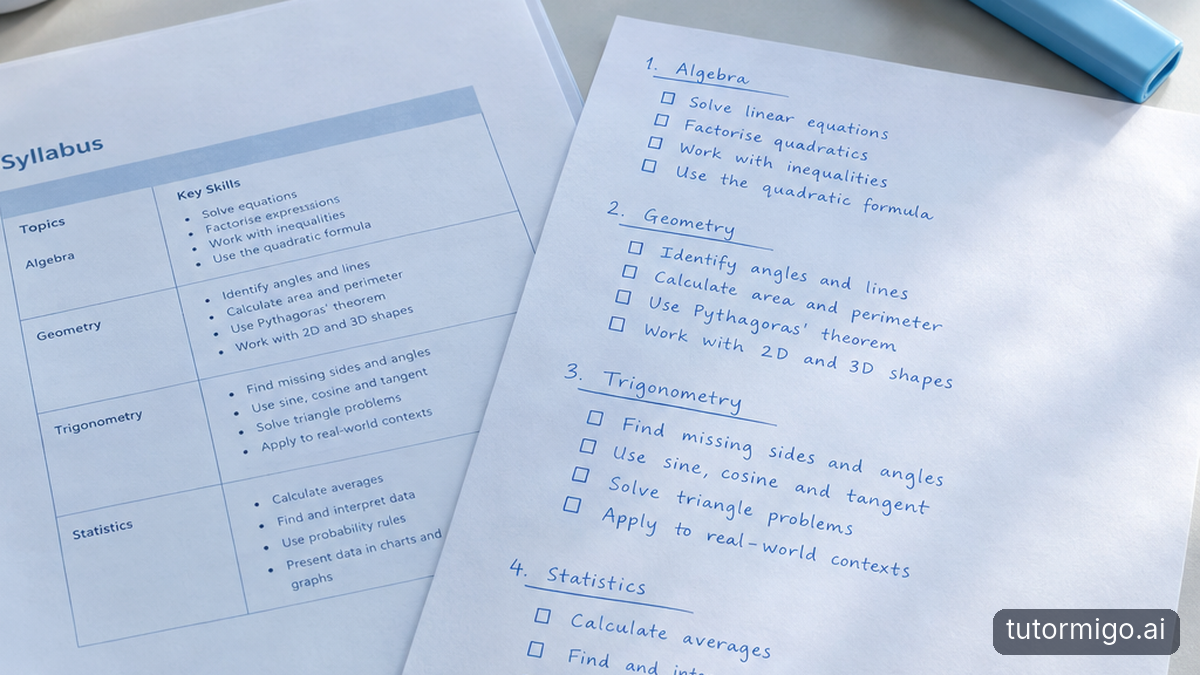
When an exam feels like one enormous task, even opening your notes can seem difficult. Making exam preparation easier starts with replacing that vague pressure with a clear next action. Find out what will be assessed, identify your weakest areas, and build a routine around manageable practice rather than marathon revision.
Start with the official syllabus, assessment guidance, or topic list supplied for your exam. Check the question formats, timing, permitted materials, and any published marking criteria. These details matter: an exam that rewards explaining your reasoning needs different preparation from one that mainly tests recognition. Use current official information rather than relying entirely on someone else's revision notes.
Next, turn the content into a short checklist of specific skills. Replace a broad label such as “biology” with tasks such as “explain how substances move across cell membranes.” Test a few tasks without looking at your notes, then mark each as secure, uncertain, or needing help. Familiar-looking pages are not reliable evidence that you can answer questions independently.
Choose priorities using both your difficulties and the assessment requirements. If you repeatedly confuse two processes that appear throughout the course, tackle that gap before polishing a detail you already know. Keep a separate list of questions to ask when you get stuck; this makes any help you seek more focused and useful.
Making Exam Preparation Easier With Small Goals and a Realistic Study Plan
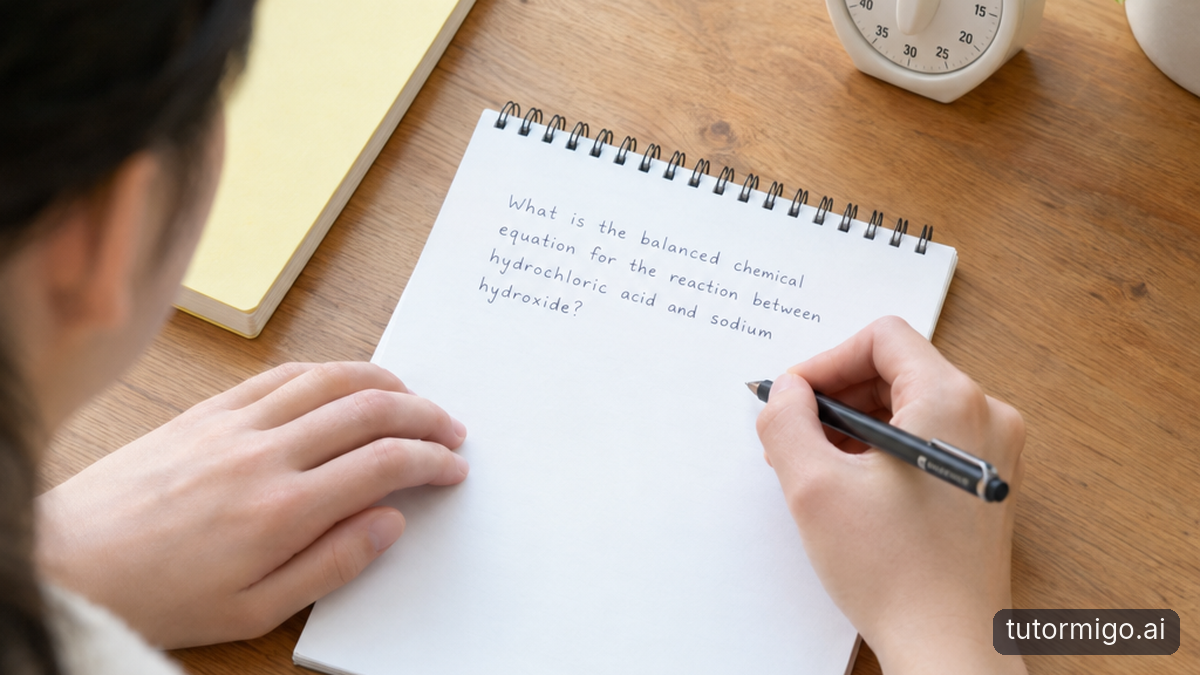
A useful study plan describes what you will do, not just how long you will sit at a desk. “Revise chemistry tonight” leaves too many decisions unresolved. “Answer four questions on chemical bonding, check the explanations, and retry one mistake” gives the session a clear finish line. Small goals work best when they produce something you can inspect.
Plan around the time you genuinely have after work, classes, meals, and other commitments. Begin with a few dependable study slots rather than filling every spare hour. Assign each slot one main task and leave some unscheduled space for topics that take longer than expected. A plan with no breathing room becomes fragile as soon as ordinary life interrupts it.
For example, use one evening to understand a weak topic, the next available session to answer related questions, and a later session to check what you remember. Rotate topics across the week so that urgent material does not crowd out everything else. Put demanding work at a time when you are usually alert, wherever your schedule allows.
Set a minimum version for difficult days: perhaps one practice question and a careful review of its answer. This is a fallback, not your entire preparation strategy. If you miss a session, reschedule the most important task instead of doubling tomorrow's workload. Review the plan weekly and adjust it using evidence from your practice.
Use Active Recall and Spaced Review to Remember What You Study
Reading can help you understand unfamiliar material, but remembering it requires opportunities to retrieve it. Active recall means trying to produce an answer before checking your resources. Close the book and explain a concept aloud, sketch a process from memory, or answer a short question on a blank page. The effort reveals gaps that rereading can conceal.
Suppose you have studied the causes of a historical event. Instead of highlighting the same paragraph again, write down the main causes and explain how two of them connect. Then compare your explanation with a reliable source. Correct missing details and inaccurate links, rather than copying the entire passage. If your answer was incomplete, try retrieving it again after a short interval.
Space these attempts across several days instead of concentrating every repetition in one sitting. A workable starting pattern is to revisit material the following day, a few days later, and again the next week. Those intervals are flexible, not a universal formula. Bring difficult material back sooner and extend the gap when you can recall it accurately.
Keep retrieval prompts narrow enough to answer clearly. “Explain everything about respiration” is harder to use than a question about one stage or distinction. Check answers after each attempt so errors do not go uncorrected. As your understanding improves, mix prompts from different topics to practise deciding which knowledge a question requires.
Practise Exam Questions, Learn From Mistakes, and Track Your Progress
Practice questions connect what you know with what the exam asks you to do. Begin with focused questions on a topic you have studied, then gradually introduce mixed questions and timed sections. Use official sample materials or reputable questions matched to the current assessment. Save some unfamiliar material for later checks so that progress is not simply recognition of remembered answers.
After each set, investigate errors before moving on. Did you lack the knowledge, misread an instruction, choose an unsuitable method, or run out of time? These problems need different responses. A knowledge gap calls for explanation and retrieval practice; repeatedly overlooking a command word calls for a more deliberate reading routine.
Keep a brief error log with the question topic, what went wrong, and the action you will take. For example: “Explained the result but did not justify it; next time, connect each claim to evidence.” Then retry the question without copying the solution. Return to a similar question later to check whether the improvement transfers.
Track a few useful signals: accuracy on comparable questions, time needed, and mistakes that keep returning. Record whether you worked independently or used hints, because those results mean different things. Avoid judging your readiness from one unusually easy or difficult set. If progress feels slow, focus on building learning confidence one problem at a time while looking for patterns across several sessions.
Protect Your Focus With Breaks, Sleep, and Simple Stress-Management Habits
Good preparation depends on attention, not just hours recorded. Before a session, clear away materials you do not need, silence nonessential notifications, and put your phone somewhere inconvenient to reach. Keep a scrap sheet nearby for unrelated thoughts. Writing down “reply to that message later” can help you return to studying without following every distraction.
Use a manageable work period followed by a brief break. You might begin with twenty-five minutes of focused work and five minutes away from the desk, then adjust to suit the task. The timing is a starting point, not a rule. During breaks, stand up, stretch, or get water; opening a fast-moving feed can make restarting harder.
Protect a consistent sleep routine rather than repeatedly trading sleep for last-minute revision. Tiredness can make concentration and recall more difficult, so set a stopping time and prepare tomorrow's first task before finishing. On the evening before the exam, checking practical arrangements may be more useful than starting a large unfamiliar topic.
When worry rises, pause for a few slow, comfortable breaths and identify one action within your control. That might be reading the question carefully or completing one retrieval prompt. For more ideas, explore practical ways to make exam preparation less stressful. If anxiety persistently disrupts sleep or everyday functioning, seek support from a qualified professional.
Take the Next Step: Plan Your First 30-Minute Study Session
You do not need a perfect revision system before you begin. Choose one small topic from your priority list and gather only the materials needed for it. Write a clear target, such as “explain this process from memory and answer two related questions.” Your aim is to finish with better evidence of what you understand.
Use the first five minutes to attempt a short question or write what you remember without notes. Spend the next ten minutes checking that attempt and working through the most important gap. If the topic is larger than expected, narrow the task rather than rushing through several explanations without understanding them.
Use the following ten minutes for fresh practice without looking at the worked answer. In the final five minutes, check your work, record one lesson from any mistake, and schedule a brief review. Leave a specific starting point for next time: “retry the explanation without prompts” is more useful than “do more revision.”
Repeat this cycle and adjust its pace as you learn what needs attention; one difficult session is information, not a verdict on your ability. If you would like a digital space for working through visual explanations, TutorMigo.ai's Study Tools Hub includes an interactive whiteboard. Choose support that helps you do the thinking and checking, rather than replacing those essential steps.
Frequently asked questions
Check the exam requirements, list the assessed topics, and attempt a few questions to identify gaps. Choose one small, important task rather than trying to revise everything at once.
Rereading can support understanding, but combine it with closed-book recall and practice questions. Check your answers, correct mistakes, and revisit the material after a gap.
Begin once you understand the question format and can attempt relevant questions independently. Introduce short timed sections before full papers, then review both accuracy and pacing.
Reprioritise the most important unfinished tasks and move them into realistic slots. Reduce lower-priority work rather than sacrificing sleep or doubling every remaining session.
Explore TutorMigo
Enjoyed this read?
Like, share, or comment below.



Comments
0Sign in required · respectful discussion · replies supported
Loading comments…