


Low study motivation: what counts as enough today?

A five-minute version is a complete, deliberately small task—not a trick to make you study for an hour. Before you begin, name what finishing will look like. “Understand algebra” has no clear edge. “Explain why both sides of this equation need the same change” does. You are choosing a reachable stopping point, not promising a burst of motivation.
Enough might be noticing something you missed, asking a clearer question, or discovering exactly where you are confused. Suppose you look at a worked example and realize you do not understand the first change. Writing “Why was the same amount subtracted from both sides?” is a useful outcome. You have made the next conversation easier without having to finish the problem today.
If a timer helps, use one you already have. If watching a countdown adds pressure, skip it and let the task define the limit. Five minutes is permission to keep practice small, not a precision test. The idea behind building learning confidence one problem at a time fits here: a bounded attempt can count without becoming a full study session. Once you reach your chosen endpoint, stopping is allowed.
Which tiny task fits your energy?
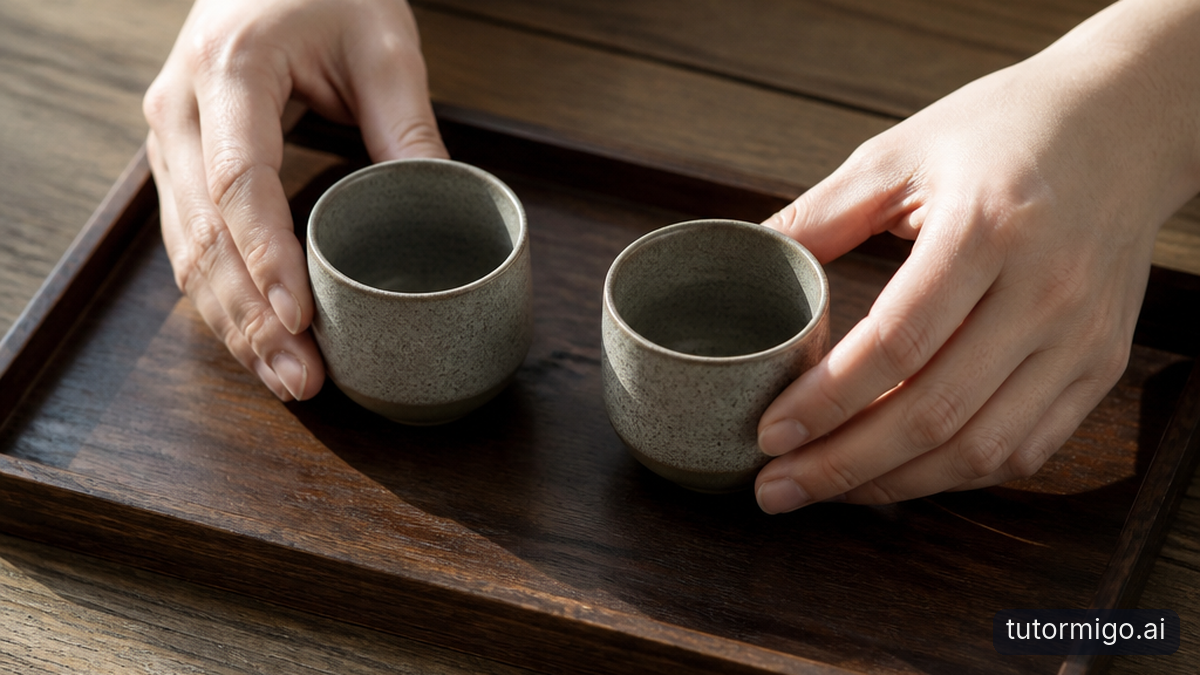
Choose something that matches what you can manage today, rather than what looks most impressive. If making decisions feels hard, use one of these three options as written. You do not need to prepare a perfect workspace, collect extra resources, or complete every option. Pick the one that feels least demanding.
Change one equation element using a balance model. Draw two balanced pans and start with . Imagine the unknown weight and two counters on one side, with five counters on the other. Remove two counters from each side so the balance stays level. The new equation is . Your task is simply to say why removing counters from only one side would break the balance. Stop there; no worksheet is required.
Notice one solar-system detail. Open a diagram you already have and look at Earth and Jupiter. Notice one visible difference, such as Jupiter’s bands, and turn it into a question: “What makes those bands?” You can leave the question unanswered today. Check whether the diagram is labeled to scale before drawing conclusions about sizes or distances.
Say one phrase aloud. Choose a familiar phrase in a language you are learning, such as “Could you repeat that, please?” Read it, say it once without looking, then check the wording. You do not need a recording, a pronunciation score, or a conversation partner. One careful attempt is the whole task.
Let the tool make the task smaller
When you already know which concept needs attention, an AI Tutor can help you keep the scope narrow. In TutorMigo.ai’s personal tutor workspace, try a request such as, “Help me understand this one change. Ask me one question at a time, and keep this short.” That gives the exchange a clear purpose without asking for a whole lesson.
Session history also gives you a previous conversation to return to. Instead of starting a new explanation from scratch, reopen an earlier exchange and identify the last part you understood. Tell the AI Tutor where you want to resume, and check that its response addresses that point. For a brief session, getting oriented again may be enough.
The TutorMigo benefits that matter here are manageable practice and a place to return—not a reason to feel guilty about doing less. If drawing helps, the Study Tools Hub includes a whiteboard and math step editor. If recall feels easier, review one card from an existing spaced-repetition flashcard deck. Stop after that card if it meets today’s goal.
A general-purpose chatbot may also help with a small explanation. For this use, compare how easily you can reach the task and return to your context, rather than how much output a tool produces.
When is rest the better choice?
Sometimes starting feels difficult because the task is vague. Sometimes you are tired, unwell, overloaded, or short on sleep. Those situations do not need the same response. A smaller task can help with uncertainty, but it does not replace recovery. Before opening a study tool, ask, “Would a tiny question feel manageable, or would even that use energy I need elsewhere?”
Look at the immediate situation rather than judging your character. If you keep rereading the same sentence without taking it in, have a headache, or are struggling to stay awake, rest may be more useful than another explanation. You do not have to complete a token exercise to earn a break. Food, water, sleep, quiet, or stepping away may deserve your attention first.
Rest should not become a disguised assignment either. You can close the materials without creating a recovery checklist or promising extra work tomorrow. If it feels helpful, leave one brief note about where you stopped; if that adds effort, leave it.
If low energy or difficulty starting persists and interferes with daily life, consider talking with someone you trust or a health professional. A study strategy can reduce friction, but it cannot explain every reason you feel depleted.
Support a small start without turning it into pressure
If you are a parent or teacher, offer a choice that can genuinely be declined: “Would you rather try one balance change, say one phrase, or rest first?” Asking “Which task will you do?” is different if rest is not actually accepted. Keep your tone matter-of-fact so the learner does not have to defend a low-energy day.
Agree on the endpoint before beginning. For the balance example, it might be explaining why both sides change together. When the learner does that, acknowledge the specific work: “You explained what keeps it balanced.” Avoid immediately adding another problem because the first went well. Moving the finish line can make the next small invitation harder to trust.
In a class or shared study setting, a brief attempt can reveal a useful question without becoming a public performance. Allow the learner to write the question privately or talk it through with you. One attempt is a snapshot, not a complete judgment of understanding or effort.
Lifelong learners can use the same approach with themselves. Replace “I should have done more” with a factual description: “I checked one phrase.” You are not required to celebrate every tiny action. Simply letting it count, without attaching another demand, is enough.
Choose one action—or genuine rest—and stop
For today, choose the smallest option you can describe clearly. You might remove the same counters from both sides of a balance drawing, notice one feature in a solar-system diagram, or say one useful phrase aloud. If you already have a question ready, open your tutoring conversation and ask only that question. There is no need to sample every option before deciding.
Give the task an endpoint in ordinary language: “I will explain this change,” “I will write down one observation,” or “I will say the phrase once without looking.” Keep the materials simple. A piece of paper or an existing study resource may be all you need. Choosing a new app, rebuilding your notes, or organizing a study plan can wait.
When you reach that endpoint, close the task. You may continue if you genuinely want to, but continuing is not what makes the first five minutes worthwhile. You do not owe a longer session because starting turned out to be possible.
And if rest is the better choice, take it without first proving that you tried hard enough. Today’s decision can be one small action or no study at all. Choose what fits, let that choice stand, and stop without pressure.
Frequently asked questions
Yes. Explaining one equation change, checking one phrase, or identifying one question is real practice. It will not replace every longer session, but it can be a complete task today.
Name the part that remains unclear, if you can. A more specific question is a useful outcome. You can stop without resolving it immediately.
You can, but you do not have to. Finishing the small task already meets the goal; continuing is an optional choice, not a hidden requirement.
No. Paper, an existing diagram, or a familiar phrase can be enough. Use a tool when it makes the chosen task easier, not because opening it is another obligation.
Explore TutorMigo
Enjoyed this read?
Like, share, or comment below.


Comments
0Sign in required · respectful discussion · replies supported
Loading comments…