

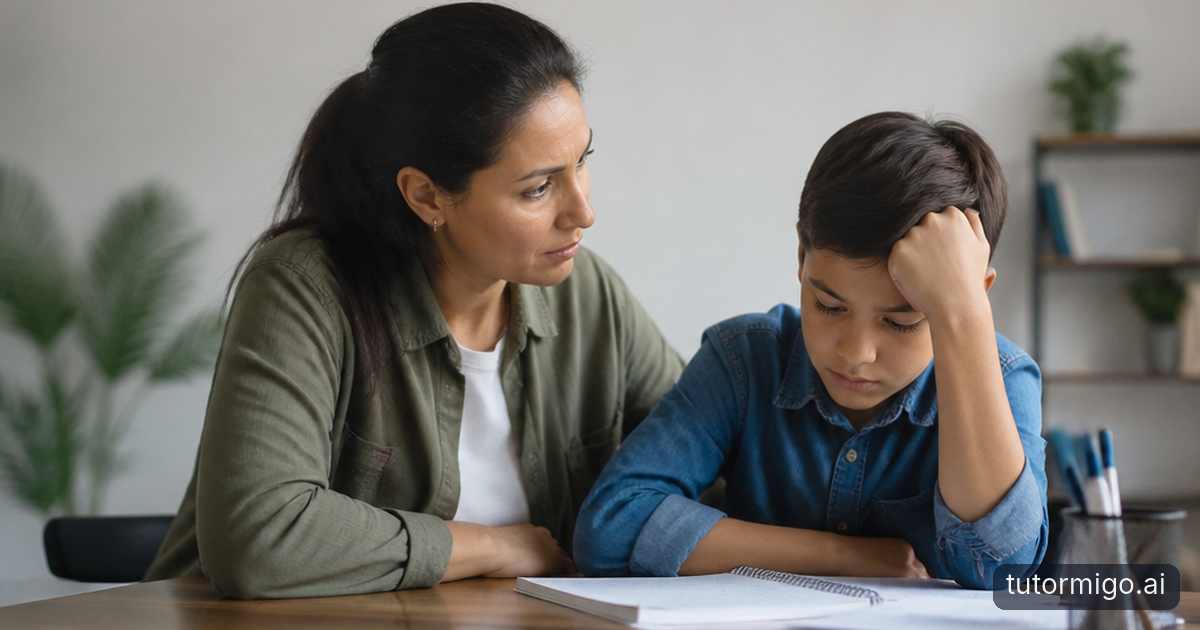
Teaching Kids Resilience When You Want to Comfort Them or Fix Everything

Your child loses, breaks something, or announces they’re done trying, and you feel pulled in two directions: make the hurt disappear or fix the problem immediately. Teaching kids resilience starts with a different response: acknowledge the feeling, separate what happened from who they are, and find one manageable next step together.
That sounds straightforward until your child is sobbing over a board game and you’re already late for dinner. You might hear yourself say, “It’s only a game,” or “We’ll play again so you can win.” Both responses come from care. But one minimizes the disappointment, while the other suggests that the feeling needs a better result before it can be tolerated.
You don’t need to make losing feel good. Your job is to help your child experience disappointment without feeling alone, then think about what comes next. Comfort and problem-solving can both help; the order matters.
Try: “You really wanted that to go differently. I’m here.” If your child turns away, you can add, “You don’t have to talk yet.” Stay available without demanding a conversation or a hug. A little space may be more welcome than more words. You’re showing that a difficult feeling doesn’t threaten your connection—and that a difficult moment doesn’t have to decide the whole afternoon.
What to Say First After a Lost Game: “I Can See How Disappointed You Are”

Start with what you notice, not a lesson. “I can see how disappointed you are” leaves room for your child’s experience. “You shouldn’t be upset; you played well” asks them to replace their feeling with your assessment. Praise can wait until they can actually hear it.
Imagine your child misses the final shot and says, “I lost it for everyone.” You might answer, “You wish that shot had gone in. That feels awful right now.” You’re recognizing the pain, not agreeing that the loss was entirely their fault. If you’re unsure what they feel, ask gently: “Are you disappointed, embarrassed, or something else?”
Keep your language short while emotions are high. Offer a choice: “Would you like me beside you, or do you want a little space?” If they shout at you, hold a calm boundary: “You can be angry. You can’t call me names. We can talk when you’re ready.” Accepting feelings doesn’t require accepting hurtful behavior.
Later, ask permission before reviewing the game: “Do you want me to listen, or would it help to think about what happened?” This approach supports emotional safety at home: your child can bring you an upsetting experience without automatically receiving a lecture. Sometimes listening is enough for now; reflection can happen after dinner.
Separate the Mistake From Their Identity: “You Made a Mistake—That Doesn’t Make You a Failure”
Children sometimes turn an event into a verdict: “I failed” becomes “I’m a failure.” Help your child make the description smaller and more accurate. “You made a mistake—that doesn’t make you a failure” separates something they did from their identity. Then name the event plainly: “You missed a shot,” rather than “You’re terrible at sports.”
A child may push back: “But I always mess up.” Instead of replying with a long list of achievements, try: “It feels like always right now. Let’s stay with this game. Which part was difficult?” Specific questions create something you can examine together. Global labels leave little room to act.
The same distinction matters when handling bad grades at home. If your child says, “I’m stupid,” respond: “This grade tells us that some of the work was difficult. It doesn’t tell us your worth or everything you can learn.” Once they’re ready, look at one missed question together: did they misunderstand the directions, forget something, or need more practice?
Avoid replacing a negative label with pressure to be exceptional: “But you’re the smartest!” can make the next mistake feel threatening too. Instead, notice a specific action: “You asked for help with the part you didn’t understand.” Building emotional resilience in students includes helping them describe difficulties accurately, without making those difficulties their identity.
When Something Breaks: Encourage Repair and Accountability Without Shame
When something breaks, check safety first. If there’s shattered glass, keep your child away while an adult handles the sharp pieces. Then settle yourself enough to describe what happened without attacking their character: “The bowl broke when you threw the ball indoors,” not “You’re so careless.”
You can acknowledge distress and maintain responsibility in the same conversation. Your child says, “I didn’t mean to!” You answer, “I believe you didn’t mean to break it. Throwing the ball here still caused damage. We need to work out what to do now.” Intent matters, but it doesn’t erase the impact.
Ask, “What happened just before it broke?” rather than conducting an interrogation. Once you understand, invite a relevant repair: helping with safe cleanup after sharp pieces are removed, apologizing to the owner, or contributing an age-appropriate amount toward replacement. If replacement isn’t realistic, discuss another useful way to make amends. Avoid unrelated punishments that turn repair into suffering.
If your child hides the damage, address that separately: “I’m glad you’ve told me now. Next time, tell me straight away so nobody gets hurt.” You can take the damage seriously without humiliation, public apologies, or labels like “bad.” Finish with prevention: “Where can you play ball safely?” Accountability becomes more useful when your child knows both how to repair harm and what to do differently.
When Your Child Wants to Give Up: Help Them Choose Whether to Try Again or Change Course
“I’m never doing this again” may mean “I’m overwhelmed right now,” not a settled decision. You don’t have to demand perseverance or approve quitting immediately. Try: “You don’t have to decide while you’re this upset. Let’s take a break and talk later.” Name a realistic time so the conversation doesn’t disappear.
When things are calmer, ask two questions: “Do you still want to do this?” and “What’s making it hard?” A child who loves a game but struggles with one skill needs a different response from a child who no longer enjoys the activity or feels unsafe participating.
Make another attempt small and optional within reasonable boundaries. “Would you like to practice that move with me for five minutes tomorrow?” is more manageable than “You need to work harder.” If a different approach might help, offer it: “Would instructions, a demonstration, or asking someone else make this clearer?” For more language, explore responding when your child says “I can’t do it”.
Changing course can also be thoughtful. Discuss existing commitments, who needs to be told, and whether a shorter trial would help clarify the decision. Don’t insist on continuing something harmful to prove toughness. Resilience can mean trying again, asking for support, adjusting a goal, or leaving an activity deliberately rather than deciding everything in the heat of disappointment.
Practice This at the Next Setback: Acknowledge Feelings, Discuss What Happened, Agree on One Small Step
At the next setback, use a short sequence you can remember under pressure: acknowledge feelings, discuss what happened, and agree on one manageable next step. These aren’t three demands to deliver immediately. There may be a long pause between comforting your child and talking about the problem.
After a lost game, it might sound like this: “You’re really disappointed. You wanted to win.” Later: “What part felt hardest?” Then: “Would you like to practice one turn with me tomorrow, or take a break tonight?” The next step should fit both the situation and your child’s capacity—not your wish to make the setback disappear.
If you rush or snap, practice repair yourself: “I said it was no big deal. It was a big deal to you, and I wasn’t listening. Can we start again?” You don’t need a flawless response to show your child how to acknowledge a mistake and act differently afterward.
For a schoolwork setback, agree on something concrete, such as reviewing one difficult question together after a snack. If you want more visibility into learning progress before that conversation, TutorMigo.ai’s Parent Dashboard is one option for reviewing progress together.
Your child doesn’t have to finish smiling or promising to try harder. Feeling understood and knowing one possible next step is enough for this conversation.
Frequently asked questions
Offer space without withdrawing support: “You don’t have to talk now. I’ll be nearby.” Return to the conversation later, when they’re calmer. Address any immediate safety issue first, but don’t make explaining their feelings a condition of receiving comfort.
No. You can accept anger or disappointment while setting limits: “You’re upset that you lost. You can’t throw the pieces.” Once everyone is safe and calmer, discuss what happened and a relevant way to repair any harm.
Wait until the immediate upset has eased, then ask whether your child still wants the goal and what is getting in the way. Consider a smaller attempt, different support, or a planned pause. Take concerns about safety seriously, and discuss existing commitments before deciding together.
Explore TutorMigo
Enjoyed this read?
Like, share, or comment below.



Comments
0Sign in required · respectful discussion · replies supported
Loading comments…