


Start with a calm learning progress baseline
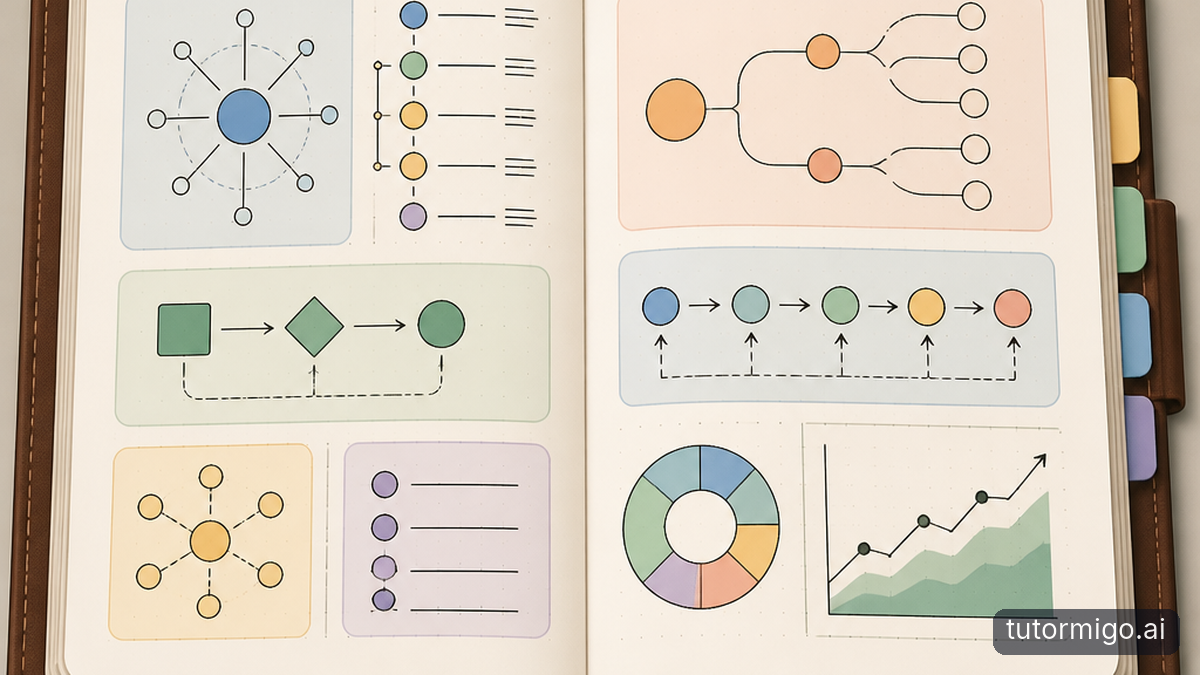
Many parents want to know whether their child is learning, but regular check-ins can start to feel like tests. A better approach is to look for patterns: which topics feel comfortable, where does the child hesitate, and what kind of practice helps them return with confidence? The goal is useful information, not a daily scorecard.
Begin with one small question after a study session: “What felt easier today, and what still feels unclear?” Record the answer alongside a simple learning goal, such as reviewing fractions twice this week. In TutorMigo, an AI Tutor can support a consistent session around that goal, while session history helps the learner return to the same thread instead of starting from zero. Keep the conversation focused on effort and next steps rather than comparing results with classmates.
Track practice patterns, not just answers
A correct answer shows one moment of success; repeated practice shows whether knowledge is becoming easier to retrieve. Spaced-repetition flashcards are useful here because they bring key ideas back for review over time. For example, a child studying vocabulary might review five cards on Monday, revisit the cards that were difficult on Wednesday, and check them again on Friday.
Interactive study tools add another useful layer. A learner can explain a solution on a whiteboard, work through a math step editor, or test an idea in a code sandbox. Instead of asking, “How many did you get right?” ask, “Which step took the most thinking?” That question reveals whether the challenge is remembering a fact, choosing a method, or explaining reasoning. An AI Tutor can respond to that context without making the session feel like another formal exam.
Try this: Choose one weekly signal—returning to a difficult concept, explaining a solution clearly, or completing a planned review—and discuss it for two minutes.
Use visibility to support, not supervise
Progress tracking works best when children understand what adults can see and why it matters. A parent dashboard can provide visibility into learning progress and support co-learning, so a parent might notice that practice has paused on a particular topic and offer help before frustration builds. Keep the language neutral: “I noticed this topic came up several times. Would you like to work through one example together?”
Teachers can use a teacher dashboard for a different purpose: monitoring students, assigning knowledge bases, managing classes, and reviewing reports. That information can make support more specific without turning every conversation into an intervention. Agree on a small routine, such as a Friday five-minute review of what was practiced, what felt difficult, and what should happen next. This gives students a voice and makes adult visibility feel like a safety net rather than surveillance.
For more ideas about keeping track of understanding, explore ways to track what students know without reducing learning to a single number.
Connect progress to a clear next step
When exams are part of the goal, progress tracking should connect practice to the skills and question types that matter. Structured exam preparation for SAT, ACT, AP, and IELTS includes practice sets and progress tracking, making it easier to see whether a learner is building consistency or avoiding a difficult area. A student preparing for the SAT, for instance, might set a weekly target for reviewing missed algebra questions, then reflect on the reasoning behind each mistake.
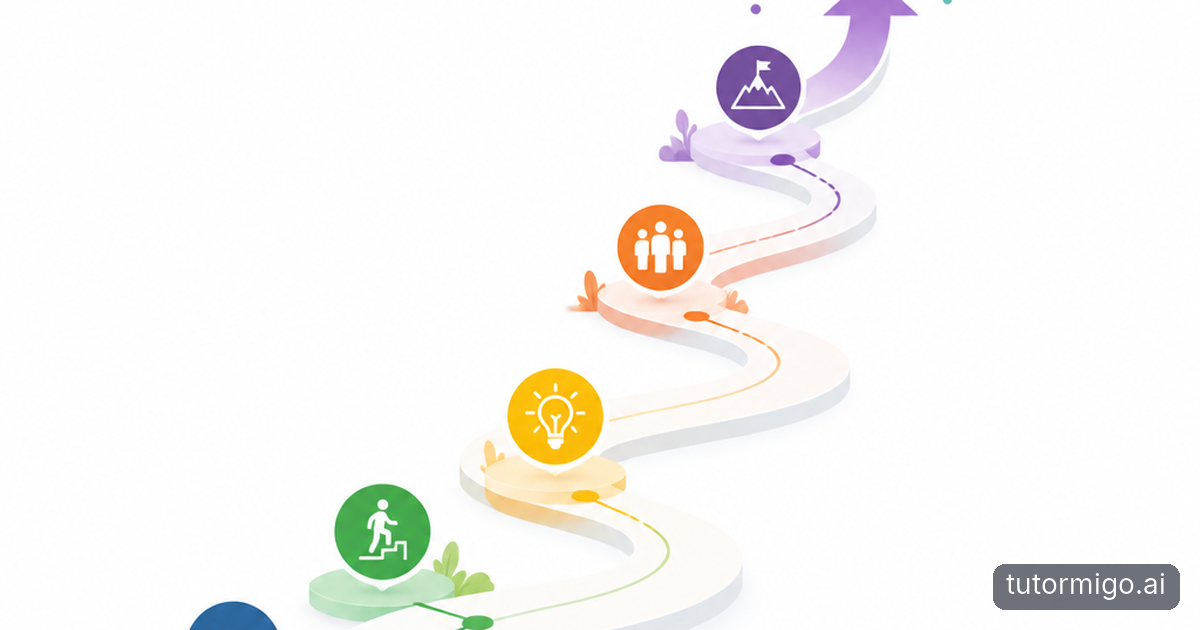
Keep the plan short enough to sustain: one topic to review, one practice activity, and one check-in date. If the learner improves, celebrate the behavior that produced the improvement—such as returning to flashcards or asking for an explanation. If progress stalls, change the support rather than increasing pressure. The TutorMigo AI Tutor can continue a focused learning thread, while a parent or teacher helps decide whether the next session should revisit a concept, use an interactive tool, or attempt another practice set. See this parent-focused approach to tracking learning progress for a similar routine.
Frequently asked questions
A brief weekly check-in is usually enough for a calm overview. Focus on what was practiced, what felt difficult, and the next small step rather than reviewing every answer.
No. You can track review consistency, confidence explaining a process, completed practice, or the ability to return to a challenging topic. Exam progress is only one useful measure.
Use it for focused sessions, explanations, and continuity around a learning goal. Pair that support with student choice and conversations about strategies, not just performance.
Ask what feels difficult, shorten the next task, and try a different study tool or explanation. A stalled pattern is a cue to adjust support, not to increase criticism.
Enjoyed this read?
Like, share, or comment below.


Comments
0Sign in required · respectful discussion · replies supported
Loading comments…