


Homework help: Find the gap before adding practice

Homework avoidance does not always mean your child refuses to work. Sometimes they cannot recall a key word, recognize which idea applies, or explain what the question asks. Before suggesting more practice, ask, “Show me the last part you understood.” That gives you a starting point without turning the evening into an interrogation.
Suppose a science question asks why a puddle disappears. Your child remembers hearing about evaporation but cannot explain it. Ask them to describe what happens in their own words. If they say the water simply vanishes, you have found a specific gap: understanding that liquid water changes into water vapor. Repeating the entire chapter would be less useful than addressing that misconception.
Separate missing knowledge from difficulty using knowledge. Can your child explain evaporation when asked directly but fail to connect it to the puddle? Their review needs application questions, not just definitions. If they understand the concept but cannot begin writing, invite them to say an answer aloud first.
Keep a tiny list of recurring gaps, using descriptions such as “confuses evaporation with boiling.” This list becomes a plan for targeted flashcards rather than a record of everything your child got wrong.
Make an independent attempt the first step
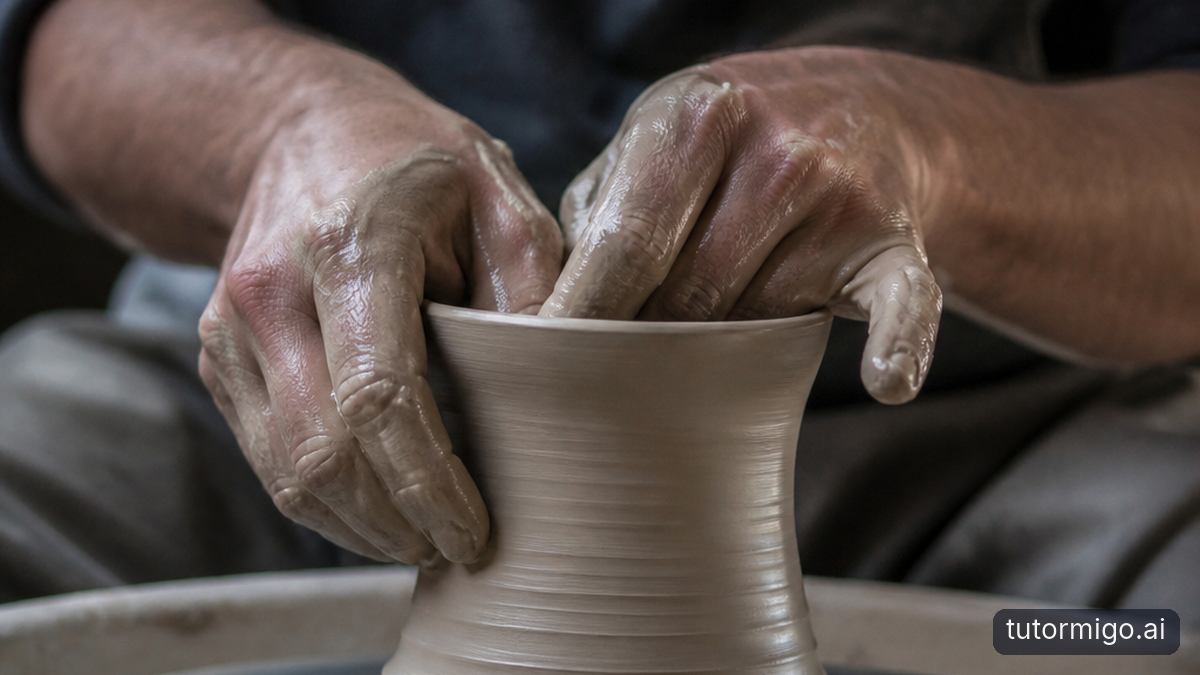
“Try it yourself” can sound like being sent away when your child already feels stuck. Make the request smaller and more specific: “Tell me what the question is asking, then write your best first sentence.” An attempt can be incomplete. Its purpose is to reveal thinking, not prove that help was unnecessary.
Agree on a simple help sequence before frustration builds. Your child reads the question, recalls one relevant idea without looking, and makes a first attempt. Then they identify the exact part they want help with. “I know water changes, but I cannot remember what it becomes” gives you something useful to respond to.
Offer the smallest hint that moves the thinking forward. You might ask, “What form can water take in the air?” rather than dictating the answer. After the hint, step back and let your child finish. Our guide to getting unstuck with hints instead of answers explores this approach further.
Carry the same expectation into flashcard practice. Let your child answer before turning the card over, even when silence feels uncomfortable. Say, “Take a moment; an uncertain answer still helps us see what needs practice.” Praise the attempt and the correction, rather than rewarding only immediate accuracy.
Build a small deck from real homework gaps
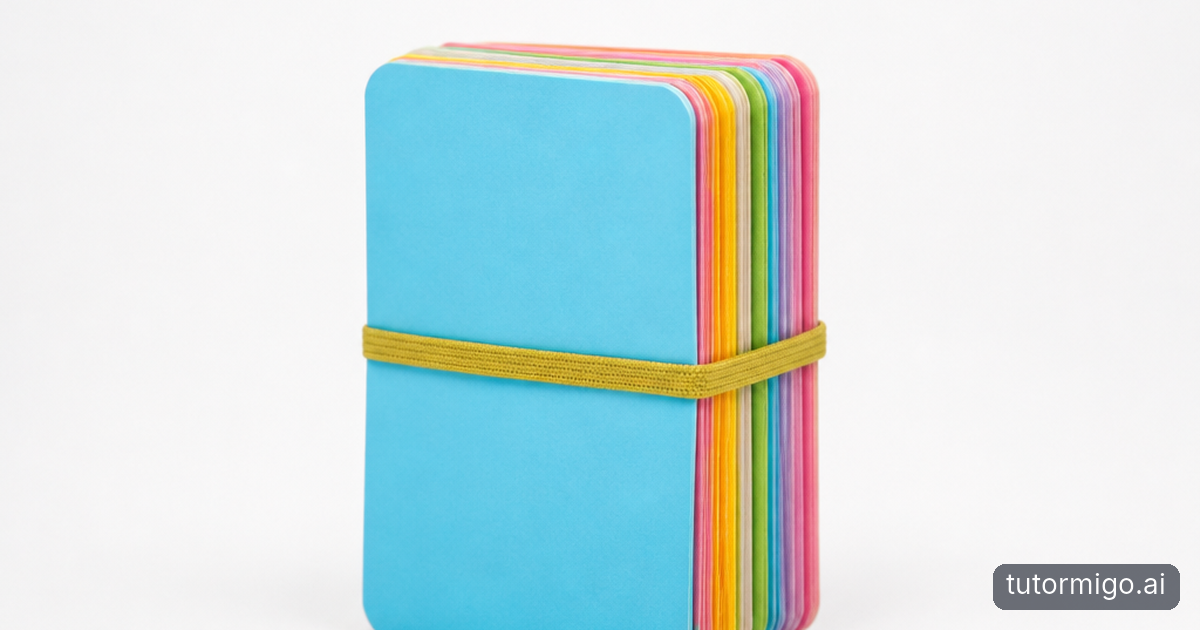
A useful deck is not a miniature textbook. Start with a handful of ideas that caused difficulty in the current homework. Each card should ask one clear question with an answer your child can check. “Explain the water cycle” is too broad for a quick review; “What happens to liquid water during evaporation?” is more manageable.
Include both recall and application. One card might ask for the meaning of evaporation. Another might ask why a wet towel dries on a washing line. The second prompt checks whether your child can use the idea outside the original homework question, rather than merely repeat a memorized sentence.
TutorMigo.ai offers spaced-repetition flashcard decks with AI-assisted card creation. You can use that assistance to draft cards around the gaps you identified, then check the wording and answers against your child's class materials. Keep the vocabulary familiar, remove unnecessary detail, and split cards that ask several questions at once.
Let your child help choose and phrase the prompts. Ask, “What question would have helped you remember this earlier?” That keeps deck building connected to their thinking. If a card produces the same confusion repeatedly, improve the explanation or simplify the prompt before adding more cards on the topic.
Use spaced review without creating another battle
The goal of a flashcards study routine is not to get through the largest possible pile. It is to recall useful information after some time has passed. Keep sessions brief enough that your child can give each question a genuine attempt, rather than rushing to reveal answers and declare the deck finished.
During review, ask your child to answer before looking, check the response, and identify anything missing. If they remembered that evaporation involves a change but forgot water vapor, they should recognize that incomplete recall. Reading the answer and thinking “I knew that” is not the same as retrieving it independently.
TutorMigo.ai's flashcards include spaced-repetition review scheduling, helping organize when cards return for practice. Use that schedule as support for a manageable habit, not as a reason to keep an exhausted child at the table. A missed evening calls for resuming the routine, not a punishing catch-up session.
Watch for cards that become easy only because their wording is familiar. Occasionally ask the same idea differently or request a fresh example. Our active recall flashcard routine offers another way to structure these short reviews. The useful signal is whether understanding survives a pause and transfers back to homework.
Keep tutoring and parent check-ins connected
An AI Tutor can support this routine when you give it a clear job: “Ask me what I understand about evaporation, offer one hint at a time, and let me try before explaining.” TutorMigo.ai provides personalized tutoring chat with session history. That history gives your child something to revisit when deciding which explanation or question belongs in their review deck.
The practical difference from a general-purpose chatbot is the workflow, not a claim that other tools cannot tutor. General-purpose chatbots can explain concepts, suggest cards, and respond to requests for hints. With TutorMigo.ai, tutoring history and scheduled flashcard review are available within the same platform. You still need to choose useful prompts, check important explanations, and practice recall.
Make parent visibility a short, shared check-in. Ask your child to show one relevant exchange from their tutoring history, explain what changed in their understanding, and answer a related card. This is a review you do together, not an assumption that you receive automatic reports or alerts.
Judge progress through examples: fewer hints, a clearer explanation, or successful recall after a gap. An AI Tutor conversation may help clarify an idea, but the stronger check is whether your child can later explain and apply it without assistance.
Try a calmer routine at the next homework session
Start tomorrow's homework with a brief agreement: your child makes the first attempt, and you help identify the sticking point rather than supply the finished answer. Choose one current assignment and a small review deck. You do not need to reorganize every subject or build a perfect system before beginning.
Spend the first few minutes reviewing cards that are scheduled. Ask for an answer before revealing each one, and keep corrections matter-of-fact. Then move to the assignment. If your child gets stuck, use the same questions each time: “What do you know already?” and “Which part is unclear?” Familiar prompts make asking for help more predictable.
When a genuine knowledge gap appears, address it with a brief explanation or guided tutoring exchange. Let your child return to the task independently. Afterward, add or improve one card that captures the missing idea. Avoid turning every mistake into a new card; choose the gap most likely to matter again.
Finish with a quick check: ask your child to explain one idea without notes and name what they will review next. Keep your response specific: “You started that answer without a hint.” The next step is simply to repeat this small routine, adjusting the cards as understanding improves.
Frequently asked questions
Ask for one small attempt: restate the question, name a relevant idea, or write a first sentence. Then offer a hint tied to the specific gap rather than supplying the answer.
Begin with a handful covering recurring homework gaps. A small, clear deck reviewed thoughtfully is more useful than a large deck your child rushes through.
Look for recall after a break, clearer explanations, and fewer hints on related homework. Review a tutoring exchange together, then ask your child to apply the idea independently.
No. If your child does not understand an idea, explain or explore it first. Use flashcards afterward to practice retrieving that understanding and applying it to concrete examples.
Explore TutorMigo
Enjoyed this read?
Like, share, or comment below.


Comments
0Sign in required · respectful discussion · replies supported
Loading comments…