


Children's Learning: Easy Starts with Routine and a Ready Space

1. Build a predictable, flexible routine
When children know what happens next, getting started can feel less like a negotiation. Choose a dependable cue, such as finishing an afternoon snack, rather than insisting on an exact time every day. Follow it with a small opening task: get the reading book, choose a pencil, and read the first paragraph together.
Keep the routine realistic for your child’s energy. If they arrive home hungry or overwhelmed, allow recovery time first. On a busy day, shorten the practice rather than turning a missed session into a punishment. The goal is a familiar starting point, not a schedule so rigid that everyone dreads it.
2. Prepare a simple, low-distraction learning space
You don’t need a dedicated study room. A clear corner of a table can work if the necessary materials are within reach. Put spare paper, pencils, and the current book in a small basket so searching for supplies doesn’t interrupt the task.
Ask what makes concentration difficult instead of assuming silence solves everything. One child may struggle with television noise; another may keep watching people walk past. Try changing one distraction at a time. Keep unrelated toys out of sight, but leave helpful tools, such as counters or a reading guide, available.
Keep Work Manageable: Small Tasks and Useful Breaks
3. Break large tasks into clear next steps
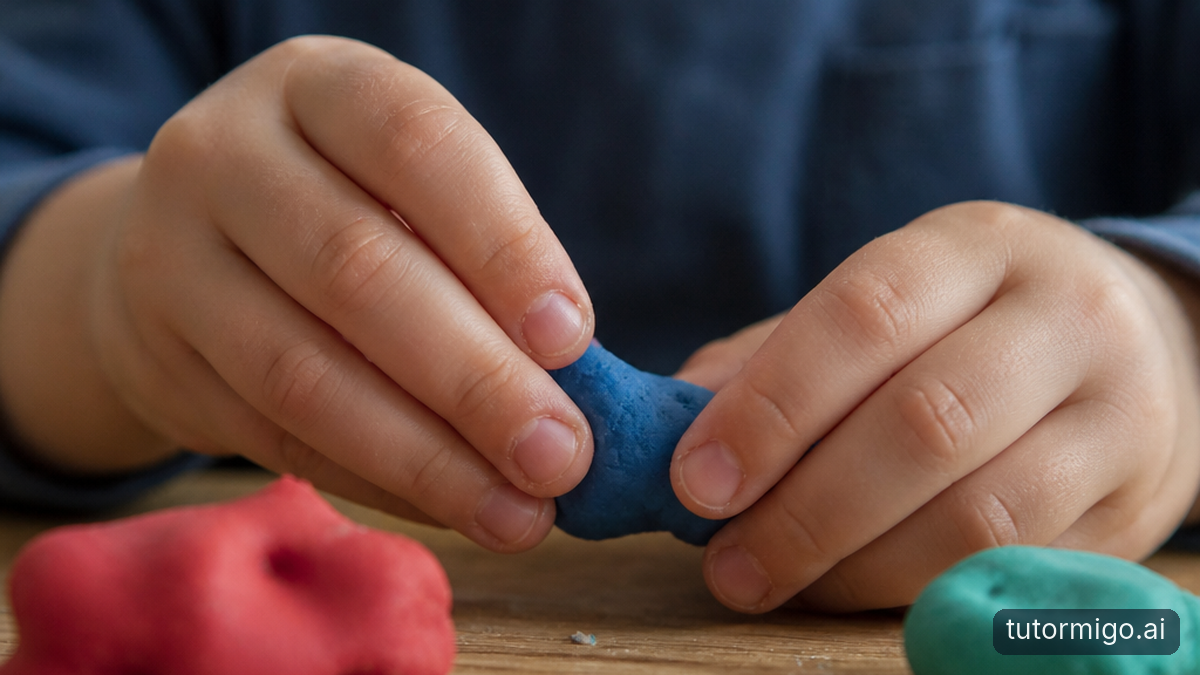
“Finish your project” gives a child a destination without showing the route. Replace it with a visible first action: choose an animal, find two facts, then draw its habitat. Reveal the next step when they are ready, or use a short checklist if seeing the whole plan feels reassuring.
For reading, agree to work through one paragraph before discussing it. For writing, separate gathering ideas from composing sentences. If your child freezes, make the first step smaller again: “Tell me one thing you want your reader to know.” Small steps reduce the planning burden without removing the thinking.
4. Plan breaks before frustration takes over
Watch for signs that effort has stopped being productive: repeated rereading, restless movement, or unusually short answers. Start with a brief work period your child can manage comfortably, then adjust based on what you notice. A timer can make the stopping point predictable, provided it doesn’t create pressure.
Choose breaks that are easy to finish, such as stretching, getting water, or walking around the room. An open-ended video or game may make returning harder. Before the break, name the restart task: “When we come back, we’ll check the first sentence.” That gives your child a clear way back in.
Help Learning Stick: Recall and Spaced Practice
5. Ask children to recall, not just reread
Looking at a page can feel familiar without showing what a child remembers. After a short reading or explanation, close the material and invite them to tell you the main idea. Keep the tone curious: “What happened first?” is more useful than turning every conversation into a test.
If they get stuck, offer a clue, then check the source together. You might ask them to sketch a plant from memory and afterward compare it with the picture. The missing parts become the next practice target. Treat mistakes as information, and avoid making a child struggle indefinitely before offering help.
6. Revisit learning across several days
A little practice on different days is generally more useful for lasting recall than squeezing everything into one long session. Revisit a new spelling word the following day, later that week, and again after a longer gap. Adjust the spacing according to how easily your child remembers it.
Keep reviews brief and mix a few secure items with those that need attention. For example, ask about yesterday’s story before starting today’s reading, then return to its main events later in the week. If something is repeatedly forgotten, explain or demonstrate it again rather than simply asking the same question more often.
Make Ideas Meaningful: Real Objects and Personal Interests
7. Move from concrete examples to abstract ideas
When an explanation isn’t landing, show what it means. Use buttons to explore grouping, act out the events of a story, or pour water between containers to compare capacity. Let your child handle the materials and describe what changes rather than only watching you demonstrate.
Then connect the activity to the school task explicitly. Ask, “Where can you see that same idea in this picture?” Gradually remove the objects as understanding becomes steadier. Hands-on work is most helpful when it clarifies the concept; an elaborate craft that distracts from the learning goal can create extra work without improving understanding.
8. Connect practice to something your child cares about
Interests can provide a welcoming entry point. A child who enjoys animals might read a short wildlife fact sheet, compare habitats, or write instructions for caring for a pet. Keep the underlying skill clear so the interesting theme supports the task rather than replacing it.
Social interest can help too. Two children could take turns explaining a story or checking each other’s instructions. These ideas for making learning more engaging through study groups can help you structure purposeful collaboration. Give each child a role and a specific question, and switch approaches if working together becomes distracting or uncomfortable.
Build Confidence: Meaningful Choices and Helpful Feedback
9. Offer limited choices and let children explain
Children may engage more readily when they have some control over the process. Offer two workable options: “Would you like to read first or practise spelling?” or “Will you explain this with a drawing or by talking?” Keep the learning goal steady while allowing flexibility in how they approach it.
Invite your child to explain their thinking before you step in. A correct answer may hide uncertainty, while an incorrect one may reveal a sensible idea applied in the wrong place. Ask, “How did you decide?” Then give enough support to move them forward without taking over the entire task.
10. Respond to mistakes with specific, useful feedback
Replace broad judgments with observations your child can act on. Instead of “You’re so clever,” try, “You checked the instructions and noticed you’d missed a step.” Instead of “That’s wrong,” say, “Let’s look at where your answer stopped matching the question.” This keeps attention on actions rather than labels.
Acknowledge frustration without pretending the task is easy. You can say, “This part is tricky. Let’s try a different example.” Praise effective strategies, not effort alone, and help your child change an approach that isn’t working. Knowing how to recover from a mistake matters more than avoiding every mistake.
What to Do Next: Try One Change and Watch What Helps
You don’t need to introduce all ten approaches tomorrow. Pick the biggest sticking point first. If starting is difficult, prepare the materials and agree on a familiar cue. If your child forgets yesterday’s work, try a short recall conversation followed by another review later in the week.
For the next several learning sessions, notice one practical sign of improvement: starting with fewer reminders, explaining an idea more clearly, or returning from a break more calmly. Ask your child what helped and what felt frustrating. Keep the useful change, adjust what didn’t work, and only then add another strategy. Progress may look like less conflict before it looks like stronger performance.
If difficulties remain persistent despite patient support, talk with your child’s teacher. Bring specific observations, such as trouble following spoken instructions or unusually tiring reading, rather than assuming laziness. Together, you can decide whether different teaching approaches or further support would help.
If you want a way to stay informed while supporting these habits, TutorMigo.ai’s Parent Dashboard offers visibility into your child’s progress, learning controls, and co-learning features. Use that information to guide supportive conversations rather than add pressure.
Frequently asked questions
Start with the difficulty you see most often. For reluctant starts, use a predictable cue and a tiny first task. For forgetting, try brief recall and spaced review.
There is no single ideal length for every child. Choose a manageable work period, watch for fatigue or frustration, and adjust. A short, focused session can be more useful than prolonged struggle.
Discuss specific examples with their teacher, including what you tried and what happened. Persistent difficulty may call for a different explanation, additional teaching support, or further assessment rather than more practice alone.
Enjoyed this read?
Like, share, or comment below.



Comments
0Sign in required · respectful discussion · replies supported
Loading comments…