

Set Up Voice Debates That Test Your Reasoning
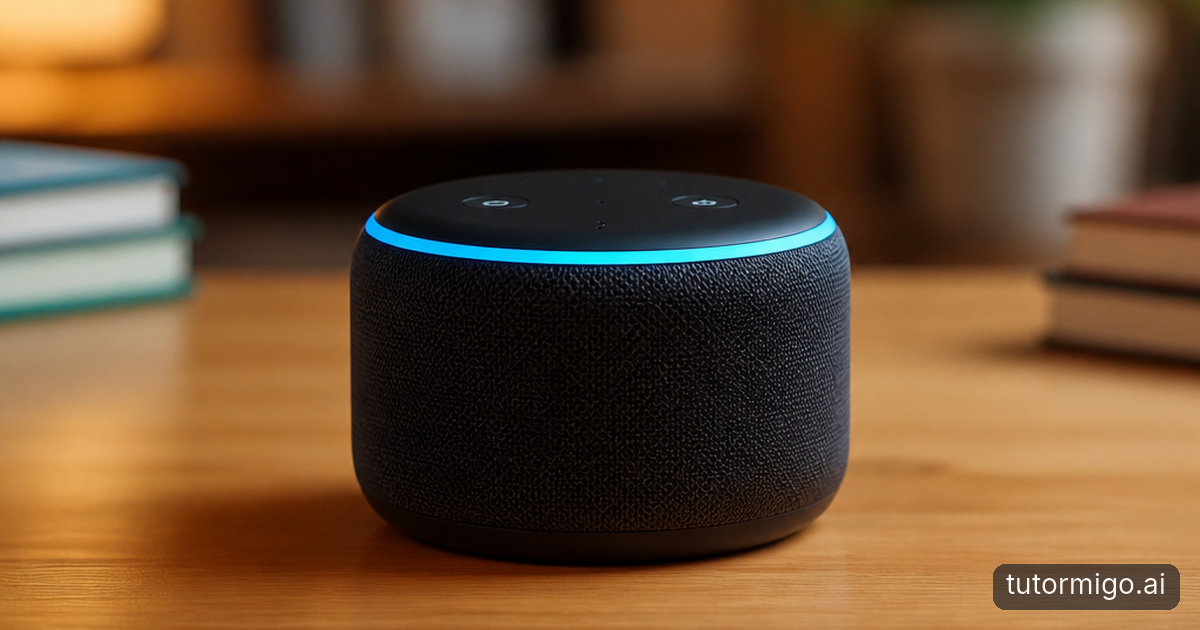
A useful voice debate needs more than an instruction to “argue with me.” You need a clear motion, a speaking order, and a standard for judging. Otherwise, the exchange can become a long conversation in which neither side has to defend a position. Choose an AI tool that supports spoken interaction, then establish the format before you begin.
Start with a motion that involves a genuine trade-off: “Schools should restrict smartphone use throughout the school day.” That is more workable than “Are phones bad?” It gives you a policy to defend, a setting to define, and competing interests to weigh. Decide whether restrictions include breaks and whether accessibility exceptions remain.
Keep the roles distinct. Ask the AI to present opposing arguments during the debate, then switch explicitly into judging mode afterward. A system that generated the opposition is not an independent referee, so treat its verdict as practice feedback rather than an authoritative result.
“Debate this motion with me aloud. Give me an opening turn, one opposing argument, a rebuttal turn, and a closing turn. Afterward, judge the arguments for relevance, evidence, logical consistency, and responses to objections. Explain your final verdict.”
This structure makes the task predictable without making the objections predictable. You know when you will speak, but you still have to think.
Build a Case You Can Explain Without a Script
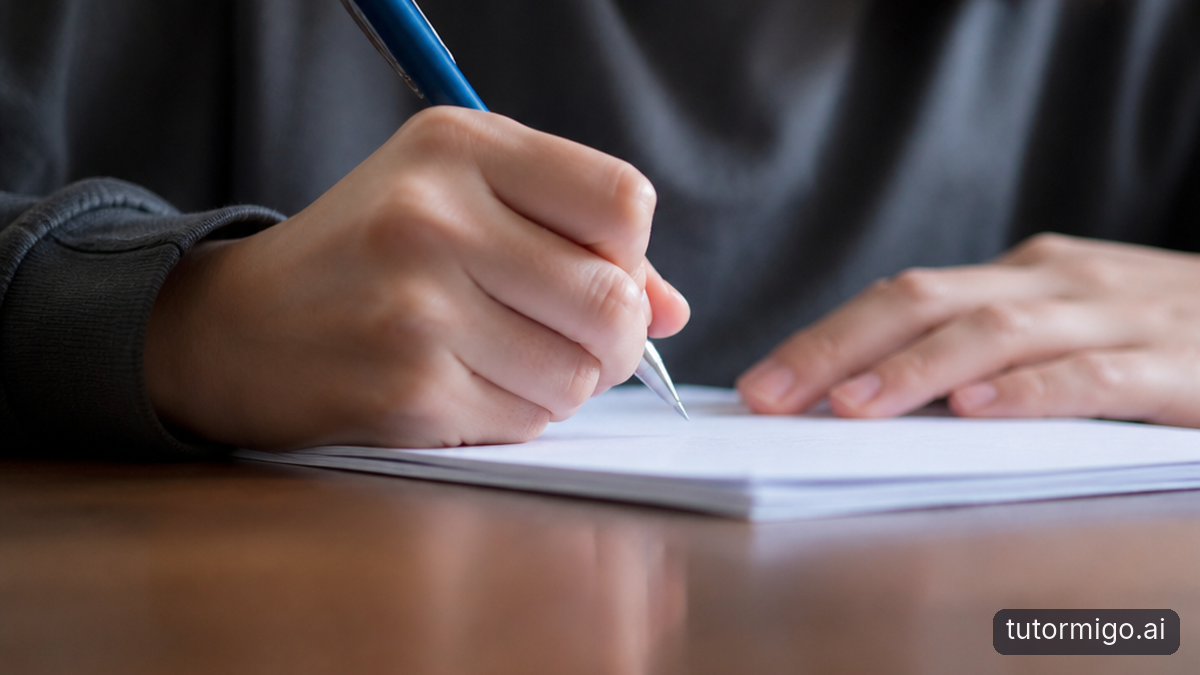
Before speaking, prepare a small argument map rather than a finished speech. Write your main claim, two reasons, supporting evidence, and the strongest objection you expect. This gives you something to return to when nerves interrupt your train of thought. A full script can make a single forgotten sentence feel like a collapse.
For the smartphone motion, your first reason might be that restrictions reduce opportunities for classroom distraction. Your second might concern unwanted recording during the school day. Keep those reasons separate: evidence about attention does not automatically prove a claim about privacy. Explain how each reason supports the particular restriction you propose.
Next, identify what you actually know. If you cannot verify a statistic, do not give it a confident-sounding number. Say, “I would need evidence comparing different school policies before claiming this improves attainment.” That qualification strengthens your credibility because it separates a plausible argument from an established finding.
Practice a short opening using this sequence: position, reason, support, consequence. For example: “I support restrictions during lessons because notifications create avoidable interruptions. However, I would preserve accessibility exceptions and allow necessary communication through agreed channels.” You have made a defensible claim without pretending the policy has no costs.
For more work on this foundation, explore building arguments and speaking confidence through AI debate practice.
Use Objections to Practice Thinking Under Pressure
The most valuable moment often comes when your prepared case stops being enough. Suppose the opposing argument is: “A school-wide restriction prevents students from learning responsible phone use.” You might feel tempted to repeat your opening more forcefully. Instead, pause and identify what the objection actually challenges: your policy’s long-term educational value.
Use a simple response pattern: acknowledge, distinguish, answer. “Learning responsible use matters. But teaching that skill is different from allowing unrestricted access during every lesson. Schools could teach digital responsibility while limiting devices during focused work.” This answers the objection without dismissing the concern behind it.
Ask for one objection at a time. Multiple challenges delivered together can reward memory and speed more than careful reasoning. Once you can answer a single objection clearly, increase the difficulty by requesting a follow-up that targets an assumption in your reply. For instance: “What evidence would show that your proposed compromise actually works?”
You should also practice conceding a point. “You are right that an absolute restriction could create accessibility problems; my proposal needs explicit exceptions.” That is not surrender. It is a narrower, more defensible position.
When you get stuck, use a recovery sentence: “The key distinction I need to make is…” Then explain one distinction slowly. Public-speaking confidence includes knowing how to resume after uncertainty, not eliminating uncertainty altogether.
Turn the Final Verdict Into a Useful Revision
A final verdict gives the session an endpoint, but “you won” or “you lost” is too blunt to guide improvement. Ask the AI judge to explain which arguments mattered, which objections remained unanswered, and why one side’s reasoning was stronger. The explanation should matter more to you than the result.
Request feedback against the criteria you set at the start. Did your evidence support your actual claim? Did you explain the connection between a proposed restriction and its expected benefit? Did your rebuttal answer the objection, or merely introduce another reason to dislike phones? These questions expose weaknesses that polished delivery can conceal.
A useful verdict might say: “Your classroom-distraction argument supported lesson-time restrictions, but you did not justify extending them to breaks.” Your next task is now specific: defend the wider policy with relevant evidence or narrow the motion. You do not need to rebuild the entire speech.
Check the judgment, too. AI can overlook a response, accept a weak premise, or introduce an unsupported factual claim. Ask it to identify the exact statement behind its criticism, then compare that explanation with what you remember saying. Verify factual disputes using reliable sources.
After each verdict, choose one change and repeat the affected passage aloud. Feedback becomes practice only when you use it.
Build Confidence That Survives a Difficult Round
Durable rhetorical confidence does not mean expecting to win every debate. It means trusting that you can state a position, listen accurately, and respond without falling apart. If you measure progress only by favorable verdicts, you may start choosing easy motions or asking for gentler opposition. That protects your record, not your speaking skills.
Track a few observable behaviors instead. Could you state your position without reading? Did you address the strongest objection? Could you acknowledge a limitation without abandoning your whole argument? After a difficult round, write one sentence about what improved and one about what needs another attempt.
Repeat the same motion from the opposite side. If you previously defended smartphone restrictions, now argue that targeted classroom rules are preferable to an all-day policy. This forces you to understand the competing values rather than memorize a winning speech. It also helps you anticipate objections before they arrive.
Keep delivery feedback separate from logic feedback. A coherent argument can sound hesitant, and a confident voice can carry poor reasoning. If your tool cannot reliably assess pace, pauses, or vocal clarity, do not assume its verdict covers those qualities. You can still practice finishing sentences, pausing between ideas, and replacing rushed repetition with a direct answer.
The goal is not an unshakeable performance. It is a reliable way to regain your footing when you feel shaken.
Your Next Step: One Motion, One Round, One Repair
For your next practice session, choose one motion you genuinely find difficult. Spend a few minutes preparing your position, two reasons, and an anticipated objection. Then complete a short spoken round with an opening, a challenge, a rebuttal, and a closing. Ask for a reasoned final verdict using the criteria you agreed on beforehand.
Before starting another debate, repair one weakness. If your evidence did not support the scope of your claim, narrow the claim. If you ignored an objection, answer it directly. If you became flustered, repeat that exchange with permission to pause before responding. Repeating the difficult moment is usually more useful than starting a completely new topic.
Once the revised answer feels clear, try it with a classmate or a small discussion group. A human listener brings different assumptions, reactions, and follow-up questions. AI practice can help you prepare for that interaction, but it cannot establish how every real audience will respond. Notice whether you can listen and adapt, not simply reproduce your rehearsed words.
If you want help organizing your argument before the spoken round, TutorMigo.ai’s tutoring workspace offers a chat-based place to work through claims and objections. Use that preparation to support—not replace—the out-loud practice.
Frequently asked questions
They let you practice explaining a position aloud, responding to unexpected objections, and recovering when you lose your train of thought. A structured round makes those skills easier to practice deliberately.
Treat it as feedback, not an objective ruling. Ask which specific arguments determined the result, check whether your responses were represented fairly, and verify factual claims independently.
Prepare a short argument map instead: your position, supporting reasons, evidence, and a likely objection. This helps you adapt when the discussion moves beyond your opening statement.
Choose one weakness from the judge’s explanation, check that the criticism is fair, and repeat the relevant passage with a better response. Improvement matters more than the verdict.
Related reading
Enjoyed this read?
Like, share, or comment below.


Comments
0Sign in required · respectful discussion · replies supported
Loading comments…