


Build learning confidence by acknowledging feelings first

“No, you’re brilliant!” sounds loving, but it may miss what your child is telling you: this feels difficult, and they don’t know what to do next. Start with what you can see. “You’ve tried that a few times, and you look frustrated.” Pause before offering advice. Being understood can make it easier for your child to stay in the conversation.
Then make the problem smaller. If your child says, “I’m bad at reading,” try: “That sentence was tricky. Was there a word you didn’t know, or was it hard to understand what happened?” You are separating one difficulty from their whole identity. You don’t need to insist that the task is easy or that they will enjoy it.
Keep the focus on how parents can respond to the moment, rather than talk children out of every uncomfortable feeling. If they say, “I don’t want to try,” you might answer, “You don’t have to feel confident right now. Would you like a short pause, or should we look at the first part together?”
A pause is not surrender. Agree on a return point, such as after a drink of water. Your message is steady: struggling is allowed, and there are choices besides quitting or being rescued.
Praise the strategy your child can use again
Specific praise gives your child useful information. Instead of “You’re so clever,” describe what helped: “You went back to the instructions when the answer didn’t make sense.” That points to an action they can repeat. It also leaves room for difficulty tomorrow without making them wonder whether they have stopped being clever.
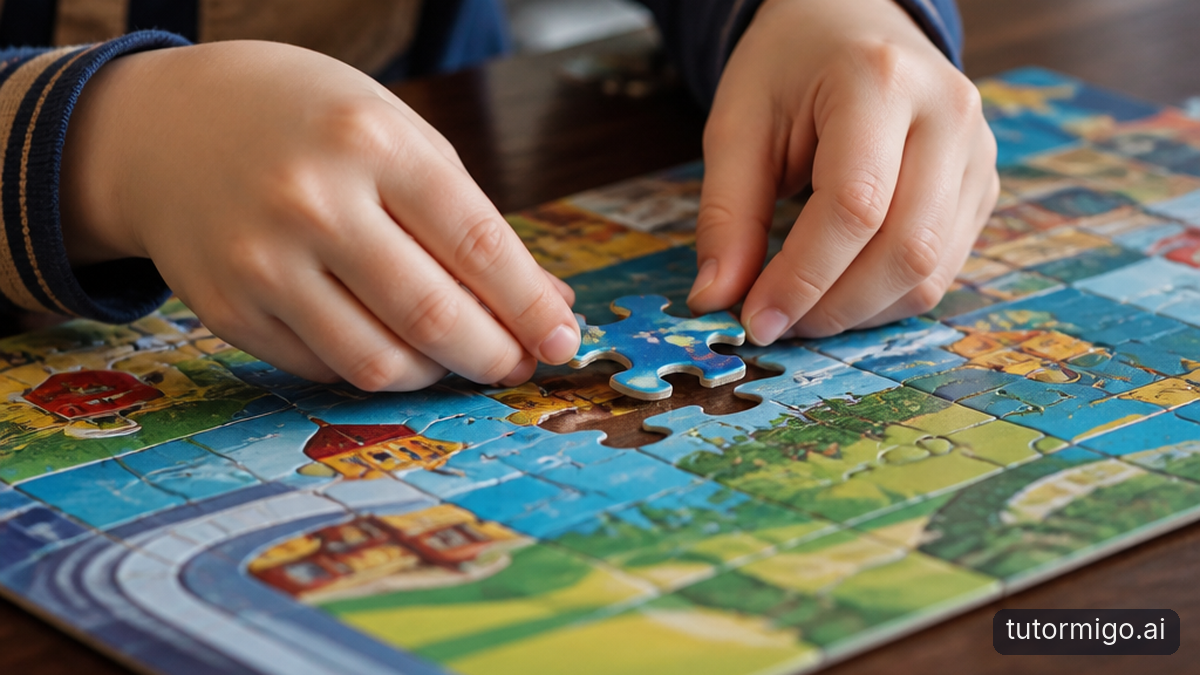
Imagine your child finishes a puzzle after several unsuccessful attempts. You could say, “You turned the pieces around and checked the edges. That helped you find a fit.” If they ask, “Are you proud of me?” you can answer warmly: “Yes. I loved seeing you test another approach.” Affection and useful feedback can sit comfortably together.
Be honest when a strategy is not helping. Repeating “Great effort!” while your child uses the same unsuccessful method can feel hollow. Try: “You’ve stayed with this. That method still isn’t working, so let’s think about what you could change.” Effort matters, but it is not a demand to keep struggling without direction.
Make room for your child’s own assessment, too. Ask, “Which part helped most?” They might notice that drawing a picture made the instructions clearer. Now the lesson belongs to them: they have identified something useful, rather than simply collected your approval.
Offer the smallest amount of help that works
Independence does not mean leaving your child alone with confusion. It means offering enough support for them to take the next action themselves. Before jumping in, ask: “Would you like me to listen, give you a hint, or show you something similar?” Their answer helps you avoid solving a problem they only wanted to talk about.
Suppose your child cannot begin a writing task. Rather than dictate the opening sentence, ask, “What is one thing you want the reader to know?” If that is still too much, invite them to say their idea aloud. You can listen while they choose which words to put on the page.
After one hint, step back: “Try that part, and I’ll check in when you’re ready.” Keep the pencil in their hand. If they need a demonstration, use a different example, then let them attempt their own. The goal is to return responsibility, not perform independence while you quietly make every decision.
Step in sooner if frustration is escalating, instructions are unclear, or a missing skill blocks the task. For recurring tension, these approaches to homework without nightly arguments can help you reset the interaction. Needing support is information about the task, not a character flaw.
Make the next goal small enough to reach
“Get better at spelling” is a wish, not a clear starting point. A useful goal describes something your child can do in one short sitting: “Choose three tricky words, practise them, then check which ones you remember.” Make the target about an action within their control, rather than a perfect result or someone else’s approval.
Invite your child to help set the size. “Would one paragraph feel manageable, or should we start with the first two sentences?” If both options feel overwhelming, shrink the task again. An achievable goal should require attention without turning the evening into an endurance test.
Decide together what finishing means before you begin. For reading, that could be reading one page and explaining one event. Afterwards, ask, “Was that about right, too much, or too little?” Their answer helps you adjust tomorrow’s goal instead of assuming every difficult session means they need to push harder.
If they miss the target, investigate without making it a verdict. “We planned too much for tonight. What could make the first step easier?” Perhaps they need a quieter space, clearer instructions, or a smaller task. This guide to building confidence through small study tasks offers more ways to keep practice manageable.
Notice progress without comparing your child
Confidence can dip when improvement is real but not yet visible in results. Look for changes in how your child approaches learning: starting with fewer reminders, asking a clearer question, checking work, or returning after a break. These are worth noticing even when the finished work still contains mistakes.
Keep the reference point personal. Instead of “Your sister could do this at your age,” say, “Last time you waited for me to read the instructions. Today you read them and asked about one confusing part.” You are describing a change, not ranking your child against anyone else.
Let small successes stay small. A quiet “You spotted that missing word yourself” may feel more believable than a celebration after every correction. Ask, “Did you notice what you did differently?” If your child shrugs, you do not need to turn the moment into a lesson. Your observation can stand on its own.
On a harder day, refer to evidence without using it as pressure: “Yesterday, drawing helped. It might help again, or we can try something else.” Avoid “You did it yesterday, so you should manage now.” For more examples, explore how to spot learning progress before grades improve. Progress is something to understand, not another standard your child must constantly prove.
Try a choose, notice, reflect routine this week
Choose one everyday learning moment this week and give it the same simple shape each time: choose a step, notice a strategy, reflect briefly. Keep it short enough that it feels like support, not another assignment. You do not need a reward chart or a running record of everything your child gets right.
Before starting, ask, “What is one thing you want to try by yourself?” Help your child choose something manageable, such as reading the instructions before asking for help. Agree on how they can request support: “Tell me whether you need a hint or want me to listen.”
During the task, notice one concrete action without interrupting constantly. Afterwards, ask, “What helped, and what might you try next time?” Your child might say, “I got stuck, but checking the example helped.” You can respond, “You found a way back into it.” If nothing helped, choose a smaller step for the next attempt.
If you want a place to review learning progress together, TutorMigo.ai ’s Parent Dashboard offers parent visibility into child progress and co-learning features.
Keep the conversation curious rather than evaluative. Over time, parents can help children build confidence by making independent effort visible and support predictable. This week, try the routine once, then let your child help decide what to keep.
Frequently asked questions
Acknowledge the feeling: “That looks frustrating.” Then narrow the problem: “Which part feels difficult?” Offer a pause or one manageable next step rather than immediately contradicting them.
Ask before stepping in when possible. Offer a hint if your child is stuck, and more support if they lack an essential skill or frustration is escalating. Return the next action to them.
Recognize a specific useful action, such as checking instructions. Then address what needs changing. You can appreciate persistence without pretending an unsuccessful strategy worked.
Treat it as feedback. Ask whether the task was too large, the instructions unclear, or support missing. Adjust the next attempt together instead of treating the missed goal as failure.
Enjoyed this read?
Like, share, or comment below.



Comments
0Sign in required · respectful discussion · replies supported
Loading comments…