


Building executive functioning: Starting Homework Without Another Reminder
Your child knows homework is waiting, but stays on the sofa until you ask again. Predictable routines can help by making the start, the steps, and the stopping point clearer. When you build that routine together and gradually hand over decisions, homework becomes practice in planning—not just another task you manage.
That repeated reminder cycle can leave everyone frustrated. You may see a child who will not begin; your child may see a pile of work with no obvious first move. Sometimes the obstacle is fatigue, confusing directions, or worry about getting something wrong. Before adding another prompt, ask, “What is making it hard to start today?”
The goal is not immediate independence or a perfectly quiet afternoon. It is a dependable sequence your child can increasingly run: notice the start cue, look at the assignments, choose a first step, work, and check. At first, you might guide every part. Over time, your child takes over one decision at a time. Teachers can support the same process by making assignments and completion expectations easy to find. A routine works best when it reduces uncertainty rather than adding another set of demands.
How Predictable Routines Support Task Initiation, Working Memory, and Time Management
Task initiation means getting into an activity, especially when it feels difficult or unappealing. A predictable cue makes that transition more concrete. “After your snack, open your homework folder” gives your child a smaller action than “Get all your homework done.” Repeating the same opening sequence can reduce the number of decisions needed to begin, although some days will still require help.
Working memory helps your child hold information in mind while using it. Homework can demand remembering directions, finding materials, and keeping track of unfinished tasks at once. A short written plan moves some of that information onto paper. Instead of remembering everything, your child can look back and see what comes next. Keep the plan visible and brief enough to use without your explanation.
Time management develops through noticing how long work actually takes. Estimating a task, checking elapsed time, and comparing the two gives your child useful feedback. Together, these habits build executive functioning skills kids can practice during ordinary homework. They are supports, not a cure for every struggle. If starting remains consistently difficult, investigate confusing work, tiredness, or other barriers rather than assuming your child needs stricter reminders.
Help Your Child Choose a Homework Start Time They Can Stick To
Offer a real choice within the limits of your afternoon. You might say, “We need time for homework before dinner. Would you rather begin after your snack or after a short outdoor break?” Your child gets a meaningful decision without being asked to organize an entire evening from scratch. Choose a time when you can provide the amount of support they currently need.
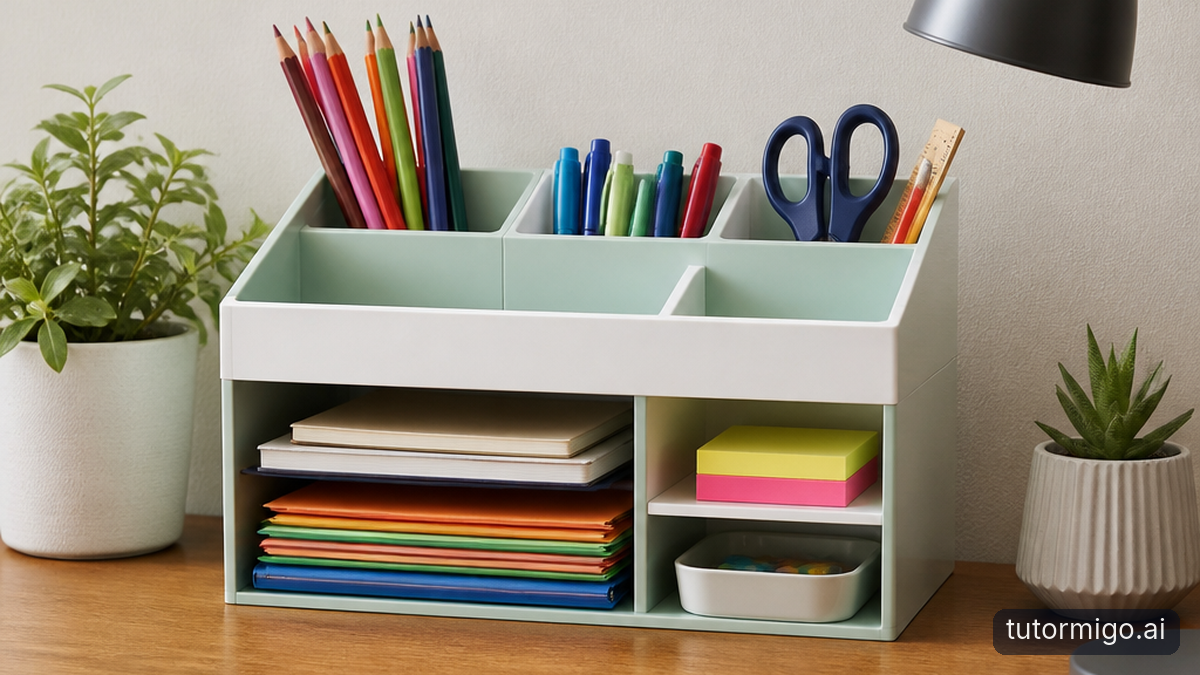
Connect the chosen time to something observable. “When the snack dishes are cleared, I put my folder on the table” is easier to act on than “I will start later.” If clock time helps, let your child set an alarm. Agree beforehand that the alarm means opening the plan, not instantly feeling ready to work. Put pencils, books, and the plan in an accessible place.
Check whether the choice matches real life. A child returning from a demanding activity may need food and a quiet transition first. For changing afternoons, agree on a regular routine and a backup; this guide to managing school and sports schedules offers related ideas. Teachers can help by allowing students a moment to record assignments before dismissal, so choosing a start time does not depend on reconstructing the day at home.
Turn Assignments Into Steps and Estimate Effort: A Math-and-Reading Example
Suppose your child has twelve math problems and a reading assignment with a short response. Begin by checking the actual directions together. Ask, “What will finished look like?” Your child might identify completed math problems with working shown, followed by reading the assigned pages and writing a response. This prevents a plan built around an incomplete understanding of the work.
Next, turn each assignment into visible actions. For math, your child writes: gather materials, read the directions, solve the first six problems, check the method, and finish the remaining six. For reading, the plan is: read the assigned pages, note one useful detail, and write the response. Keep these as short phrases on paper; the plan should take less effort to read than the assignment itself.
Ask for a rough estimate beside each chunk: perhaps ten minutes for each math group, fifteen for reading, and ten for the response. These are guesses to test, not deadlines to enforce. Include a short break after math and leave some breathing room before dinner. If estimating feels impossible, time the first few problems together. Use that observation to make a better guess about the rest, without expecting every problem to take equally long.
Teach Your Child to Check Progress and Adjust the Plan
A plan is useful only if your child learns to consult it. Choose a checkpoint that fits the work, such as after the first math group or before the reading response. Ask three questions: “What have you finished? What is left? Does the plan still fit?” Let your child point to the evidence rather than relying on a general feeling of being behind.
Suppose the first six math problems take eighteen minutes instead of the estimated ten. Stay curious: were the directions confusing, did one problem need extra thought, or was the estimate simply too short? Your child can revise the remaining estimate, take the planned break, and decide whether help is needed. If the work will not fit the available evening, help communicate that to the teacher rather than encouraging a rushed finish.
This is the heart of teaching time management to students: compare a prediction with experience and use the difference. Avoid turning the timer into a race. A slow section can reveal a learning need, not poor effort. When uncertainty is the bottleneck, spotting homework confusion early can help your child name the problem before spending the whole session stuck.
Fade Adult Prompts Without Taking Away Support
Hand over one part of the routine at a time. Initially, sit beside your child while they open the folder and make the plan. Rather than announcing each instruction, ask, “What comes first?” Once that opening becomes familiar, move to a single agreed cue: “Check your plan.” The written routine stays available even as your spoken directions become less detailed.
Next, have your child respond to the start cue independently while you remain nearby. Agree on a check-in after the first work chunk instead of returning every few minutes. When that is manageable, let your child lead the check-in: show what is finished, explain any delay, and name the next action. Teachers can reinforce this by asking students to identify their next step before supplying it.
Fade prompts based on what your child can manage, not a fixed schedule. If starts fall apart, restore the last helpful level of support and investigate why. A harder assignment or disrupted afternoon may require more help temporarily. Notice specific actions: “You checked the directions before asking me.” That feedback makes growing independence visible. The aim is reliable access to support, with fewer adult decisions—not proving your child can work entirely alone.
Co-Create a Simple Routine, Try It for a Week, and Review Together
Choose a calm moment to make a small plan together. Write down the start cue, where materials belong, how your child will break up assignments, and when you will check in. Ask your child which part they want to own first. You might manage the nearby support while they choose the starting task and mark completed chunks. Keep the routine short enough to understand at a glance.
Try it for one school week without redesigning everything after a difficult day. Make brief notes about what helped: a snack before starting, clearer directions, or a longer estimate for reading. At the end of the week, ask, “What made starting easier? Where did you still need me? What should we change?” Adjust one thing, then try again. Self-organized study habits grow through repeated practice and useful adjustments, not a perfect first plan.
If you want a digital way to stay informed as your child takes more ownership, TutorMigo.ai’s Parent Dashboard offers visibility into their learning progress. Keep the next step simple: co-create the routine, test it for a week, and let your child help decide what happens next. You are building a process they can gradually carry, not withdrawing your help.
Frequently asked questions
Check whether they noticed it and know the first action. Rehearse opening the folder together, then use one agreed prompt rather than repeated reminders.
Ask what the estimate is based on. If possible, test one small chunk, then help your child revise the remaining estimate using what they observed.
Reduce one prompt when your child can manage that part with the written routine. Keep an agreed check-in and restore support when needed.
Explore TutorMigo
Enjoyed this read?
Like, share, or comment below.



Comments
0Sign in required · respectful discussion · replies supported
Loading comments…