


Finding the Right Learning Pace for Your Child
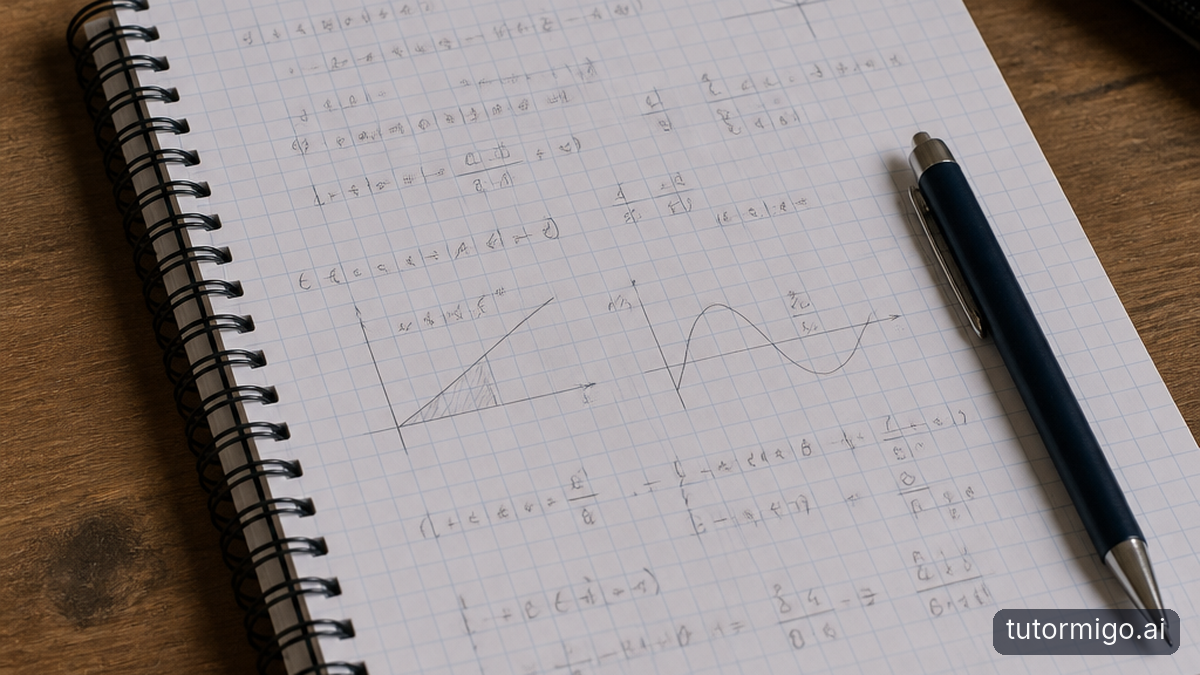
Your child is still puzzling over yesterday’s maths when today’s work arrives. Or they understand the idea but face another page of identical questions. Either way, frustration builds. You can respond by checking what they understand, changing the kind or length of practice, and making the next step small enough to feel manageable.
The difficulty is knowing what to change without making your child feel judged. “You need more practice” can sound like a verdict, especially after a tiring day. Try describing what you notice instead: “You found the first part on your own, but choosing what to do next was tricky. Let’s look at that bit together.” This gives you a specific starting point rather than labelling the whole topic a problem.
Being held back can be equally discouraging. A child who finishes quickly may not need another identical worksheet, but speed alone does not prove understanding. Ask them to explain a choice or solve a slightly different example before deciding they need something harder.
For parents and teachers, the useful question is not “Are they keeping up?” but “What would help them take the next step?” Compare observations where possible. A teacher might see confident work with objects while you see hesitation with written questions. That difference is information about the support your child needs, not evidence that either adult has misread them.
Spot the Signs Your Child Needs Repetition, a Break, or a New Challenge

The same behaviour can mean different things. Looking away might signal tiredness, confusion or boredom. Rather than guessing from one moment, notice when it happens and offer a small check: “Show me where you would start.” Their response can help you choose between revisiting the idea, resting and increasing the challenge.
Repetition may help when your child can follow your example but cannot begin independently, repeatedly misses the same step, or remembers a method without understanding why it works. Ask them to show their thinking with a drawing or explain one choice. If a particular missing skill keeps appearing, this guide to recognising learning gaps and helping your child can help you narrow the starting point.
A break is more likely to help when accuracy drops across things they usually manage, their body becomes restless, or a small mistake suddenly feels overwhelming. Pause the task and offer water, movement or a quiet moment. Afterwards, try one familiar question. A clearer response suggests fatigue was part of the difficulty.
A new challenge may fit when your child answers accurately, explains their reasoning and handles a changed example without much help. Try asking them to find a mistake in your solution. When teachers focus on helping parents recognise these signals, sharing one concrete observation is more useful than saying a child needs to “try harder”.
Revisit a Tricky Concept Differently: Try Objects for a Maths Problem
Revisiting does not have to mean repeating the same explanation more loudly or completing another similar page. Keep the learning goal, but change how your child encounters it. If written symbols are getting in the way, use objects. If objects feel cluttered, draw a simple picture. If your explanation has become familiar background noise, ask your child to demonstrate what they think is happening.
Suppose your child gets stuck on . Put eight counters on the table, then a separate group of five. Ask, “How could we work out how many there are altogether?” Let them count everything if they need to. Then explore moving two counters from the smaller group to make a group of ten, leaving three beside it.
Connect the objects back to the written problem. Point to each number and ask which counters it describes. Next, invite your child to sketch the groups before trying a fresh written example. Moving between objects, pictures and symbols helps you check whether they understand the relationship rather than simply copying your movements.
Keep your prompts small and leave thinking time. “What could you move?” gives more room than explaining the whole solution again. If they still struggle, make the problem simpler while keeping the same idea. End by asking what the objects helped them notice, so you both know which approach might be useful next time.
Shorten Practice Sessions Without Making Slower Progress Feel Like Failure
A shorter session can produce better information than a longer one spent pushing through distress. If twenty minutes regularly ends in tears, try eight calm minutes with one clear purpose, such as choosing a starting method. Stop while your child still has enough energy to explain something they noticed. You can return later rather than treating one sitting as the only chance to learn.
Describe the change as a practical adjustment, not a lowered expectation. You might say, “We’re doing a shorter session so we can pay attention to this part.” Avoid announcing that the work is too hard for them. The aim remains understanding; you are changing the route and the amount attempted at once.
Agree on a stopping point before you begin. That might be exploring two questions carefully or working until a short timer ends. If the timer adds pressure, keep track of time yourself. A predictable finish helps prevent the feeling that every mistake earns another stretch of work.
Notice specific progress without making speed the prize: “You spotted that the groups were different,” or “You asked for a drawing when the words were confusing.” If the session goes badly, close neutrally: “That approach wasn’t helping today. Next time we’ll start with objects.” Your child should not have to earn a respectful ending by getting the final answer right.
Decide When to Keep Practising and When to Move On
Moving on does not require flawless performance, and staying with a topic does not require repeating everything. Look for enough understanding to support the next step. Can your child start without you supplying the method, explain an important choice and manage a slightly changed example? Those checks tell you more than a page completed with frequent prompting.
For example, after practising addition with counters, offer a new problem with different amounts. If your child chooses a sensible approach but miscounts once, they may need a quick accuracy check rather than another full explanation. If they cannot connect the objects to the written question, stay with that connection and reduce other demands.
You can also move forward provisionally. Try one question from the next step, keeping familiar materials available. If your child uses earlier learning successfully, continue. If the new task exposes a gap, return briefly to that part. Revisiting is a normal part of learning, not a punishment for attempting something harder.
Check again on another day: success straight after a demonstration may not last without support. A short later attempt helps show what has stuck. If the same difficulty persists despite varied explanations and manageable sessions, compare notes with the teacher and ask what targeted support would help. Avoid turning home practice into an endless test while you wait for clarity.
Plan Your Next Session Around Your Child’s Understanding and Comfort
Before the next session, choose one small goal based on what you observed, not simply the next page. “Show how two groups combine” is easier to act on than “get better at maths”. Have one alternative ready, such as counters or a drawing, and decide on a short initial session with a clear stopping point.
Begin with a low-pressure check: “Show me what you remember, and tell me where it gets tricky.” Watch what your child does before offering an explanation. If they hesitate at the same step, revisit it differently. If they seem drained, shorten the session or pause. If they explain confidently, offer one changed problem rather than more identical ones.
Finish by asking, “What helped today?” and briefly note the answer alongside what they managed independently. For example: “Used counters to combine groups; needed help connecting them to the written question; comfortable for eight minutes.” Share that observation with the other adult supporting them, where useful. It gives the next session a starting point without reducing your child to a score or a speed.
If you would like somewhere to follow progress and support learning together, TutorMigo.ai’s Parent Dashboard offers parent visibility into progress and co-learning features.
Keep the plan flexible: one clear goal, a brief check, a suitable adjustment and a calm finish. The aim is to leave your child with a next step they understand and feel able to attempt.
Frequently asked questions
Ask them to explain one example or show where they would begin. Confident reasoning on a slightly changed question suggests they may need more challenge. Difficulty choosing a starting point suggests they may need a different explanation. Check for tiredness too; disengagement alone does not tell you the cause.
Not necessarily. If frustration is rising or familiar skills are becoming unusually difficult, pause at a sensible point. Note where to restart so unfinished work feels manageable rather than like a penalty.
No. Objects can make a relationship visible when written symbols feel unclear. Connect the objects to a drawing and then to the written problem, checking what your child understands at each stage.
Share specific observations: which step causes difficulty, what your child can do independently, which approaches you tried and when frustration begins. Ask for one priority to practise and a useful way to explain it, rather than requesting more work.
Related reading
Enjoyed this read?
Like, share, or comment below.



Comments
0Sign in required · respectful discussion · replies supported
Loading comments…