


Why trying first matters
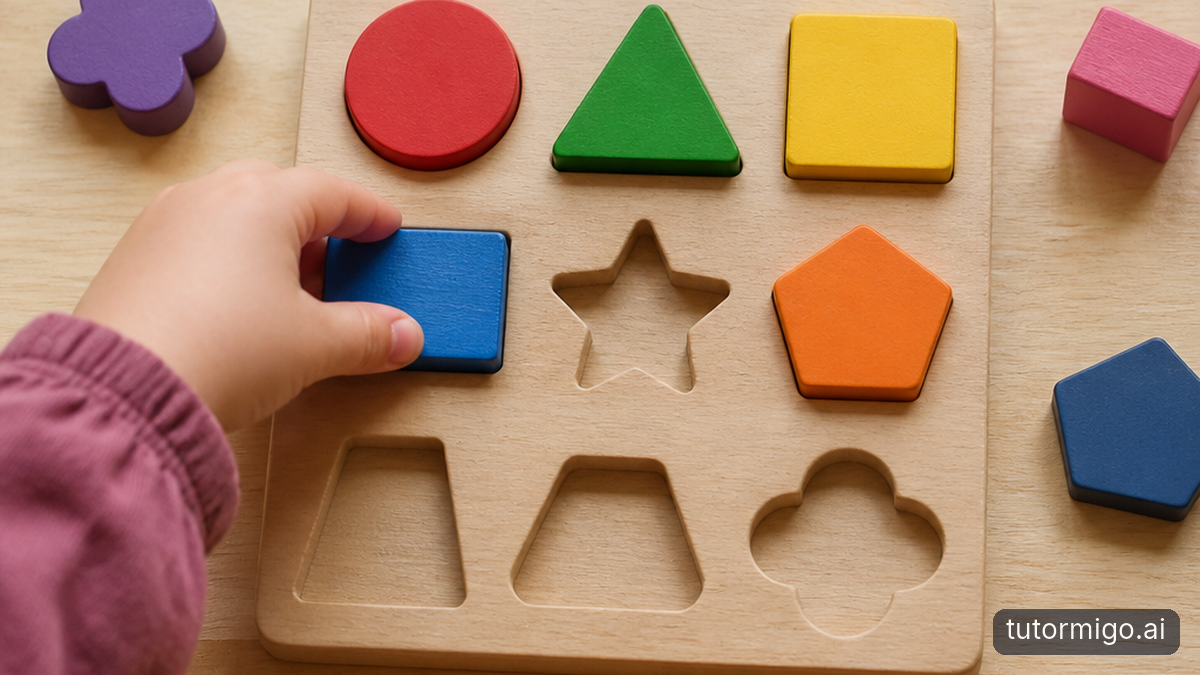
When you focus on why independent learning matters, the goal becomes clearer: you want your child to experience themselves as someone who can make progress. If an adult always chooses the first step, explains every instruction, and confirms every answer, a child gets fewer opportunities to discover what they can manage.
That is why independent learning is an important skill, even when you are happy to help. Confidence grows from evidence: “I didn’t know how to begin, but I found a way.” A child who chooses to sketch an idea before writing has made a useful decision. Naming that decision makes their contribution visible without pretending the work was easy.
Trying also gives children practice in problem-solving. They learn that rereading, drawing, sorting information, or looking at an example can change a confusing task. Persistence develops when they experience a manageable setback, adjust their approach, and notice progress—not when they are told to struggle indefinitely.
For example, if your child cannot describe a story character, you might resist supplying three adjectives. Ask them to find something the character did. When they use that evidence to choose a word, they have practised both the subject and a way of getting unstuck. Our guide to building your child’s learning confidence explores this connection further.
What independent learning actually looks like
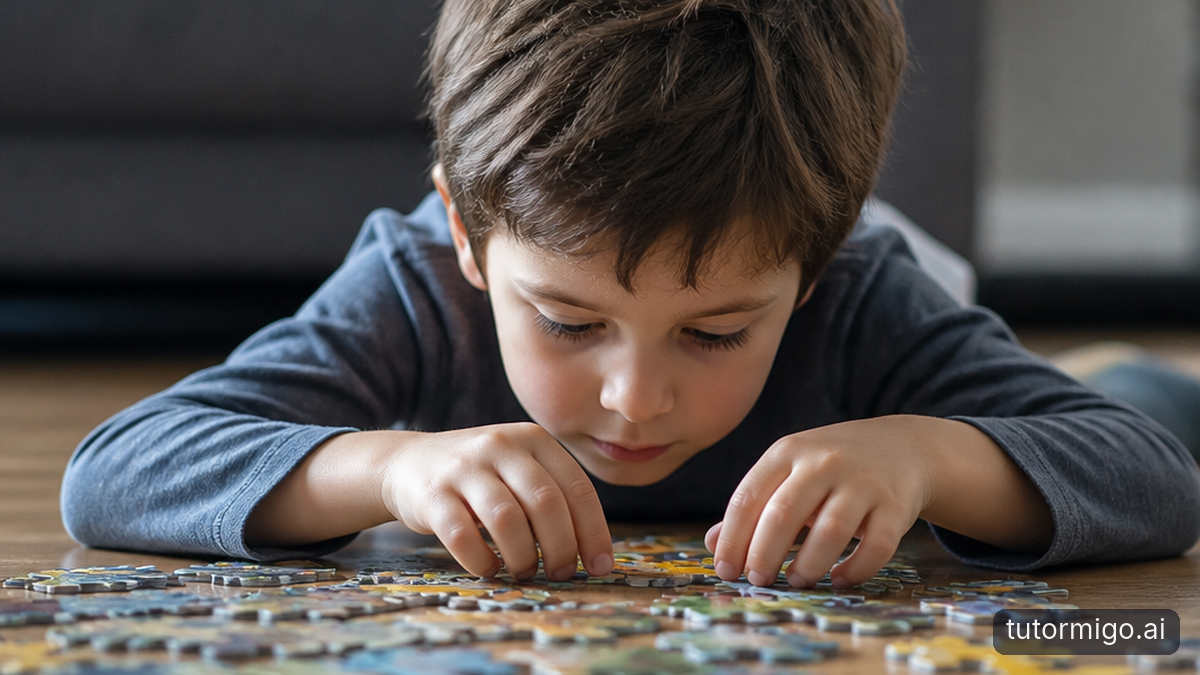
Independent learning is not silent work completed without questions. It is taking an active role in the learning process, with support available when needed. A child can work independently for one part of a task and need direct teaching for the next. Asking a specific question can itself show growing independence.
Look for three kinds of action: choosing, trying, and checking. Choosing might mean deciding which of two familiar tasks to begin. Trying might mean using a picture to understand a question. Checking might mean rereading a sentence to see whether it makes sense, rather than immediately asking you whether it is right.
Imagine your child has a short reading response to complete. You offer a bounded choice: “Would you like to talk through your idea first or make a quick drawing?” They choose the drawing, use it to write a sentence, then compare their work with the instructions. You remain nearby, but they make meaningful decisions.
Keep expectations specific to what they have already learned. A child who cannot yet read the instructions may still choose materials and explain their thinking aloud. A child comfortable with the task may plan the whole sequence. The useful question is not “Did they do everything alone?” but “Which part did they take responsibility for today?”
Give enough guidance to unlock the next step
The right amount of guidance depends on whether your child lacks knowledge, a strategy, or confidence. Before explaining, ask, “Show me where you got stuck.” You may discover that they understand the work but want reassurance. Or you may find an unfamiliar word that genuinely prevents them from starting.
Begin with the smallest useful support. Give them a quiet moment to think, then offer a prompt such as, “What does the instruction ask you to do?” If that is not enough, point to a relevant example. Next, demonstrate one similar task while explaining your thinking. Then let your child attempt the next part.
For instance, if they cannot organise a paragraph, show how you would group two related ideas. Avoid dictating their paragraph sentence by sentence. After your demonstration, ask them to choose which idea belongs next. You have supplied missing instruction while returning the decision to them.
Step back when they can explain a plausible next move and begin it. Stay involved when instructions remain unclear or repeated attempts reveal a missing skill. Support should change with the evidence, not with a fixed rule about how long children must work alone. For more examples, see how to help without taking over homework.
Make getting stuck part of the process
When a child gets stuck, first distinguish thinking from distress. A pause, a crossed-out attempt, or a frustrated sigh does not always require rescue. But tears, escalating panic, or repeated failure without understanding are reasons to reconnect and adjust the task. Productive effort needs a realistic route forward.
Agree on a small set of strategies during a calm moment. Your child might reread the instruction, look at a worked example, draw what they understand, or explain the problem aloud. Keep the choices familiar. A long checklist can become another obstacle when they are already overwhelmed.
If they say, “I can’t do it,” try, “Which part can you show me?” Suppose they are writing about an animal but cannot begin. They might tell you one fact aloud. You can then ask whether saying the sentence before writing would help. The strategy belongs to the task; it is not simply encouragement to try harder.
Teach a useful help request: “I’m trying to do this. I tried this approach. This is the part I don’t understand.” Do not make that script a condition for receiving help. It is a model you can build together. If a short break is needed, agree on the small step you will return to afterward.
Create room for decisions, mistakes, and checking
Children need genuine opportunities to practise autonomy, not choices whose answers you have already decided. Offer decisions you can comfortably accept: which familiar activity to start, which materials to use, or whether to explain an answer aloud before recording it. Keep boundaries clear while leaving the method open where possible.
At home, that might mean agreeing on a workable study period while letting your child choose the order of two tasks. In class, you might state the learning goal and offer two ways to explore it. Neither approach removes adult responsibility for making the task understandable and accessible.
Build checking into the task rather than treating you as the final checkpoint for every answer. Before starting, identify what finished work should include. For a short written response, that could mean answering the question and giving a supporting detail. Afterwards, ask your child to find those elements themselves before you comment.
When you notice a mistake, avoid immediately pointing to its exact location. Try, “Read this part aloud. Does it say what you intended?” If they cannot find the problem, give a clearer cue or teach what is missing. Notice useful actions specifically: “You checked the instructions and spotted the missing detail.” That keeps attention on strategies they can use again, rather than on earning your approval.
Tomorrow, try a choose–try–check routine
Start tomorrow with one familiar task, not the hardest item on the page. Explain the change warmly: “I’m still here to help. We’re going to practise letting you make the first move.” Choose a moment when neither of you is already rushed, and keep the first attempt small enough to feel manageable.
First, invite your child to choose a starting point from two suitable options. Ask what they think they need. Next, let them try one familiar strategy while you pause rather than comment on every move. If they need you, use the smallest helpful prompt and return the next action to them.
Then ask them to check one clear feature of their work against the instructions. Finish with a brief reflection: “What helped you move forward?” If the task remained too difficult, identify what needs teaching before the next attempt. The routine succeeds when you learn what support is needed, not only when the work is correct.
Repeat this pattern over several days, gradually handing over decisions your child can manage. If you want visibility between these check-ins, TutorMigo.ai ’s Parent Dashboard offers child-progress visibility and learning controls; it can complement, rather than replace, conversations about what your child tried. Your most useful next step remains simple: tomorrow, leave room for one decision, one attempt, and one check.
Frequently asked questions
No. It means taking increasing responsibility for choices, strategies, and checking. You can stay nearby, explain unfamiliar material, and offer reassurance while leaving manageable decisions to your child.
Watch what is happening rather than following a fixed timer. Allow thinking time when your child has a way forward. Step in when missing knowledge, unclear instructions, or rising distress prevents useful progress.
Begin together with a familiar task. Offer two starting options, model a similar example if needed, and hand over one small action. Build from manageable successes rather than abruptly withdrawing your presence.
Usually, give your child a chance to check first. Focus on the task’s main goal, then teach any misunderstanding that blocks progress. Independence includes learning when and how to seek feedback.
Related reading
Enjoyed this read?
Like, share, or comment below.



Comments
0Sign in required · respectful discussion · replies supported
Loading comments…