


The Science Behind Audio Learning
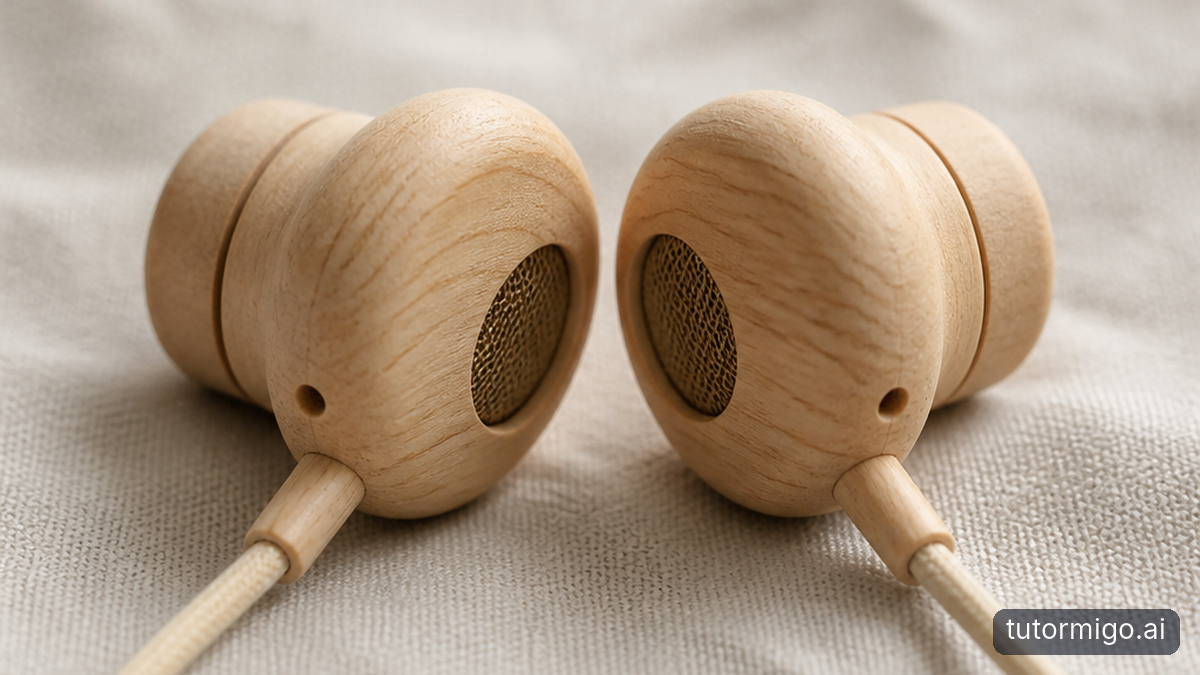
If spoken explanations help you follow an argument, audio deserves a place in your study routine. Hearing a process described can make its sequence easier to follow: first a signal arrives, then a response begins, and finally the system returns to balance. Pauses, emphasis, and pronunciation can also help you notice distinctions that disappear inside a dense paragraph.
That does not mean you have a fixed learning style that requires everything to be delivered through headphones. Research does not establish that matching instruction to an “auditory learner” label reliably improves achievement. Your preferences still matter, but the subject, your background knowledge, and what you do with the information matter too. Think of audio as another useful route into the material, not a replacement for every other route.
Consider a biology chapter about cell membranes. A spoken explanation might help you understand why certain substances cross a membrane more easily than others. You may still need the textbook diagram to locate the structures being discussed. Switching between explanation and image is productive, not evidence that audio has failed you.
The strongest listening routine gives you something to do mentally. Before an explanation, ask a question. During it, predict the next step. Afterward, explain the idea without replaying it. For parents supporting a high school student, “Tell me what changed and why” is usually more useful than “Did you finish listening?” Completion measures exposure; an explanation gives you a better window into understanding.
From a Biology Chapter to a Structured Audio Lesson

The appeal of auto-generated lessons is straightforward: take a long source, organize its important ideas, and turn those ideas into something you can hear. If you are comparing Source-to-Study AI tools, look beyond whether they produce speech. Check whether the output stays faithful to the source, preserves important qualifications, and gives you a coherent explanation rather than simply reading navigation menus and captions aloud.
A practical boundary matters here: TutorMigo.ai’s listed features do not include PDF or URL ingestion, automatic audio lessons, or a Source-to-Study conversion feature. You should not assume you can drop a biology chapter link into TutorMigo.ai and receive an audio lesson in seconds. For that step, use a separate tool that explicitly supports your source format and text-to-speech or audio generation. Conversion time and available controls depend on that tool.
Suppose your assigned chapter covers diffusion, osmosis, and active transport. First, select the assigned passage rather than an entire textbook. If you search for “convert text to audio lesson,” check that the service accepts your PDF or URL, then request an explanation organized around those three concepts. Keep the original chapter available so you can check definitions and any examples the tool introduces.
Before taking the lesson on your commute, listen to the opening and a technically dense passage. Are the scientific terms pronounced understandably? Does the explanation distinguish movement down a concentration gradient from movement that requires energy? If a diagram carries essential information, plan to view it later rather than expecting narration to communicate every spatial detail.
Tip: Start with one assigned concept. A short, checked explanation is more useful than a full chapter of audio you cannot confidently trust.
Combine Listening with Quizzing and Active Recall
A pleasant explanation can feel familiar before you can actually use it. That is why your audio routine needs a clear transition from listening to answering. After a manageable segment, stop the playback and ask yourself what you remember. If you are walking, explain the answer quietly or mentally; if you are riding as a passenger, jot down a few points when practical. Never operate study tools while driving.
For the membrane example, start with a definition question: “What is osmosis?” Then move to a comparison: “How does it differ from diffusion more broadly?” Finish with an application: “What might happen to a cell placed in a more concentrated solution?” The application question helps reveal whether you understand the relationship rather than merely recognize a phrase from the recording.
TutorMigo.ai’s AI Tutor can support this stage through personalized tutoring chat. You might ask, “Ask me one question at a time about osmosis. Wait for my answer, then explain any mistake.” This is a chat-based retrieval activity, not a claim that the platform offers a dedicated gamified “Mode 05” quiz. You can make the routine engaging yourself by aiming to explain each concept correctly before checking your notes.
Move persistent trouble spots into TutorMigo.ai’s spaced-repetition flashcards. Its AI-assisted card creation and review scheduling support revisiting material beyond the first listening session. Check each card against your course source, and keep its question focused. For more help choosing useful prompts, see this guide to building active recall decks instead of relying on highlighting. Audio introduces and clarifies; retrieval tells you what still needs work.
Build a Personalized Study Guide Around Your Gaps
Your next listening session should respond to what you struggled to explain, not automatically repeat the whole chapter. After a retrieval attempt, sort your difficulties into concrete questions. Perhaps you remember the definition of active transport but cannot explain why energy is needed. That is a narrower, more useful study target than “I am bad at cell biology.”
Use the AI Tutor Workspace to explore that question in plain language. For example: “I understand that particles can move down a concentration gradient. Explain why moving against it is different, then ask me to explain it back.” TutorMigo.ai supports personalized tutoring chat and session history, so you can revisit the earlier exchange rather than relying on memory of what you asked. Check explanations against your assigned material when accuracy or course-specific terminology matters.
A personalized study guide can be simple: the concepts you need to know, the questions you missed, and the source passages you should revisit. Keep it focused on your actual assignment. If you use a separate audio-generation service, those missed questions can help you choose which passage needs another spoken explanation instead of generating another broad chapter summary.
Among the practical TutorMigo benefits for this routine are a place to work through questions and flashcard review scheduling for later practice. The important distinction is not that general-purpose chatbots cannot explain biology. It is whether your chosen study setup makes explanation, follow-up, and review easy to maintain. For a parent, asking a student to share one corrected explanation can make support specific without turning listening time into another completion checklist.
Your Next Step: Try One Chapter, Then Test Yourself
Start with the chapter you keep postponing, but choose just one challenging passage. Identify what you need to understand before you create or play any audio. “Explain the difference between passive and active transport” gives your listening a purpose. “Get through biology” does not. Use an audio-capable service that supports your source, review the result for accuracy, and choose a listening setting where you can safely pay attention.
Afterward, put the recording away and give a short explanation from memory. Return to the source for anything you missed, then use TutorMigo.ai to work through the specific confusion. Save a few focused flashcards for later review. This creates a manageable cycle: hear an explanation, retrieve it, correct it, and revisit it after a delay.
Judge the routine by what you can explain the next day, not how many minutes you listened. If audio helps you begin but a diagram helps the concept click, use both. If a recording is too dense, choose a smaller passage next time. The goal is understanding, not loyalty to a format.
Turn your heaviest chapter into a checked audio study session with a suitable audio tool, then bring your unanswered questions to TutorMigo.ai. Start with one concept today and test what sticks tomorrow.
Frequently asked questions
PDF and URL ingestion and automatic audio generation are not included in the listed TutorMigo.ai features. Use a separate service that explicitly supports those capabilities, then use TutorMigo.ai for personalized tutoring and flashcard review.
Not necessarily. Preferring spoken explanations does not establish that audio is always your most effective format. Combine listening with source diagrams, recall questions, and practice, then judge the routine by what you can explain later.
Look for understandable playback, faithful source handling, and an easy way to test yourself afterward. TutorMigo.ai’s tutoring chat and spaced-repetition flashcards can support the explanation and review parts of that routine.
Ask your student to explain one idea from memory and identify one remaining question. Help them check uncertainty against the assigned source rather than treating completed listening time as proof of understanding.
Related reading
Enjoyed this read?
Like, share, or comment below.



Comments
0Sign in required · respectful discussion · replies supported
Loading comments…