
Your AI Tutor That Keeps the Conversation Going Across Sessions
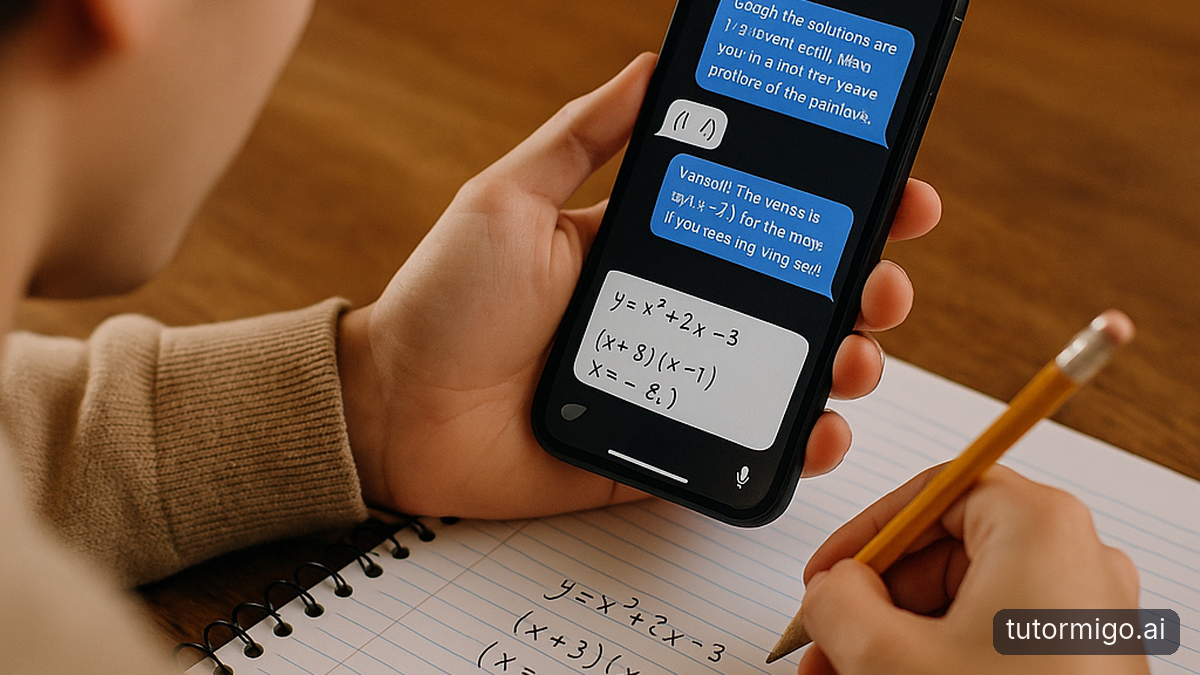
When you work with an AI Tutor through TutorMigo.ai, the conversation doesn't reset every time you log in. Instead, it builds on everything you've discussed before. This continuity means you can pick up right where you left off without repeating explanations or losing context from previous sessions. The platform remembers details like your specific questions, the examples that helped, and even the areas where you needed extra clarification.
For example, while studying photosynthesis, you ask the AI Tutor to explain the light-dependent reactions using real-plant examples. When you return the next day, it remembers your difficulty with chlorophyll, checks your understanding, and then moves to the Calvin cycle—saving time while personalizing and reinforcing your learning.
Parents appreciate this because it shows real progress over weeks rather than isolated chats that don't connect. Teachers can see how students are engaging across multiple interactions and adjust their guidance accordingly. Unlike jumping between different apps or starting fresh each time, this keeps the focus on building knowledge steadily and effectively. You get the benefit of a dedicated tutor who knows your history, making each session more productive and less frustrating for everyone involved in the learning process.
Consider a scenario where you're preparing for a big project in history class. You might discuss research strategies one evening, then the following week ask for help outlining your paper based on the sources you found. The AI Tutor connects these dots, suggesting how to incorporate ideas from the earlier discussion into your current work. This kind of seamless flow is what makes TutorMigo stand out for consistent study habits and long-term retention of material across different subjects and time periods.
Flashcards That Review Themselves When You Need It Most
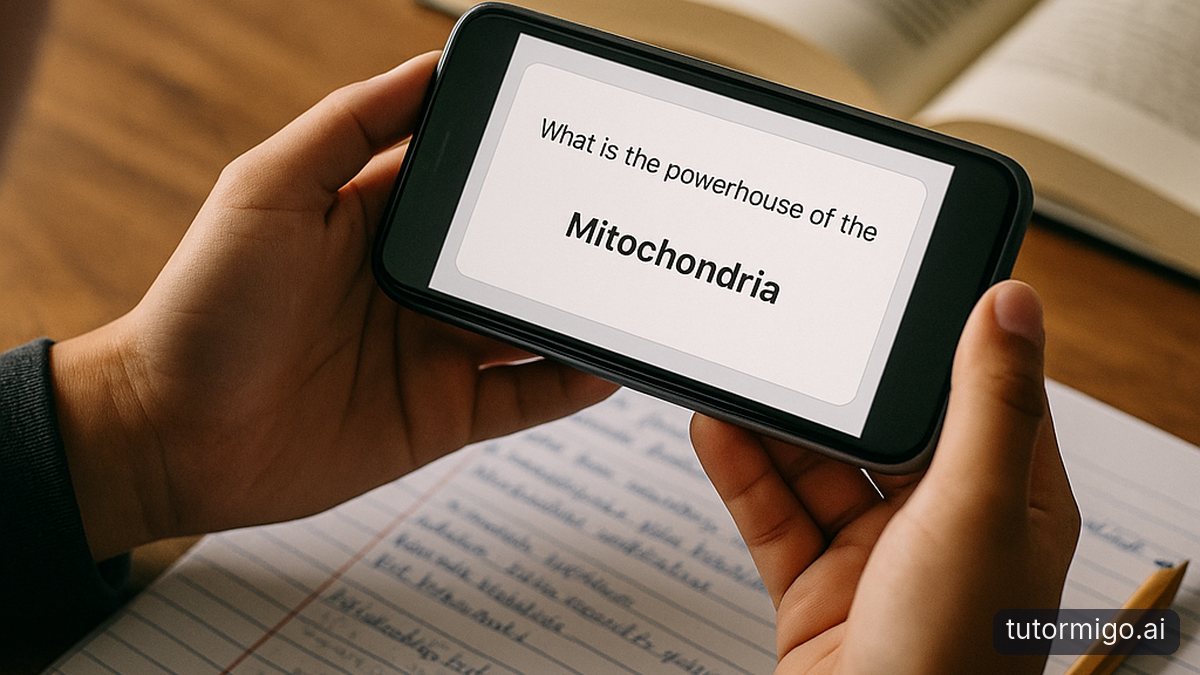
One of the standout TutorMigo benefits is the spaced-repetition flashcards that adapt to how well you're remembering information. These aren't just static cards you flip through randomly. The system tracks your performance and brings up the ones you need to review at the right intervals to strengthen your memory without overwhelming you with too much at once.
Imagine you're learning vocabulary for a language class. You create a deck with new words and their meanings using the AI-assisted creation tool. After the first review, if you get most of them right, the platform spaces out the next session for a few days. But if you miss a few, it schedules them for sooner. This way, the flashcards review themselves when you need it most, helping you focus on weak areas while not wasting time on what you already know well from prior practice.
For lifelong learners, this feature is particularly useful when picking up a new skill like coding basics. You might add cards for syntax rules, and over time the reviews help embed them into your long-term memory. It's practical because it fits into your schedule, sending reminders only when it's optimal for retention based on how you've performed. Students often find that this leads to better test performance because the knowledge sticks around instead of fading after cramming sessions that don't build lasting understanding.
Teachers can use this to assign specific decks to classes, and the system handles the scheduling automatically. This reduces the manual work of tracking who needs more practice on certain topics. Overall, it turns passive review into an active, efficient process that supports ongoing learning without requiring constant effort from you or constant oversight from instructors.
Hands-On Practice with Built-In Interactive Study Tools
Hands-on practice comes alive with the built-in interactive study tools in TutorMigo. These go beyond reading or watching videos by letting you actively engage with the material in real time. Whether it's drawing diagrams, writing code, or solving math problems step by step, these tools make abstract concepts concrete and memorable through direct application rather than passive absorption.
Take a student tackling geometry. Instead of just looking at a diagram, you can use the whiteboard to sketch out angles and lines, then ask the AI Tutor for feedback on your construction. The tool allows you to collaborate in the moment, adjusting as you go based on suggestions that appear right alongside your work. This immediate interaction helps clarify misunderstandings quickly and builds confidence through doing rather than just thinking about the concepts in theory.
For those interested in programming, the code sandbox lets you test small scripts right in the platform. You might write a simple loop to understand iteration, run it, see the output, and then tweak it with guidance from the AI Tutor. Similarly, the math step editor breaks down equations into clear steps, showing where errors occur and how to fix them without needing external resources. These features make study sessions more dynamic and less passive overall.
Parents and teachers notice the difference when learners can demonstrate their understanding through these activities. It provides a space to experiment safely and learn from mistakes in a supported environment. By integrating these tools directly with the tutoring chat, you get help tailored to what you're working on at that exact moment, enhancing the overall learning experience in practical ways.
Tracking Your Progress with Structured Preparation
Tracking your progress with structured preparation helps turn vague study efforts into measurable advancement. TutorMigo provides frameworks that guide you through topics in a logical order, complete with practice sets and performance data that show where you're improving and where more work is needed to reach your goals.
Suppose you're a student getting ready for an important assessment. You start with a diagnostic to identify strengths and gaps in your knowledge. Then the platform suggests a sequence of practice sets, each building on the last based on how you did. After completing one, you see not just a score but breakdowns by subtopic, like which types of questions you ace and which need review. This data helps you allocate time wisely instead of reviewing everything equally without direction.
Lifelong learners benefit too when mastering a subject like personal finance. The structured path might include modules on budgeting, investing, and taxes, with quizzes to track comprehension over multiple sessions. Seeing your progress visualized over time motivates you to keep going and highlights achievements along the way. It removes the guesswork from planning what to study next by using actual results to inform the path forward.
This approach differs from random practice because it uses your results to adapt the plan in real time. If you excel in one area, it moves you forward faster. If not, it offers more support and additional examples. For teachers, this tracking allows them to monitor class trends and provide targeted interventions where needed most. The result is more efficient preparation that leads to better outcomes without the stress of unstructured cramming or scattered efforts.
Parent and Teacher Visibility Into Learning Progress
Parent and teacher visibility into learning progress is a key TutorMigo benefit that fosters better support at home and in the classroom. Instead of wondering what your child or student is working on, you get clear insights into their activities, strengths, and areas for growth that help guide conversations and adjustments.
For parents, the dashboard shows recent sessions with the AI Tutor, which topics were covered, and how the child performed on reviews or practice activities. If your teen is studying for exams, you might see that they've been focusing on essay writing but struggling with multiple choice sections. This allows you to have informed conversations, like asking specific questions about what they learned or offering encouragement where needed. It also includes controls to set study time limits or suggest topics if appropriate for the situation.
Teachers gain even more detailed views through their dashboard. They can assign knowledge bases or specific tools to individual students or groups, then monitor engagement and results in real time. For instance, if a class is working on literature analysis, the teacher sees which students are using the interactive tools and how their progress is advancing across assignments. This data supports timely feedback and adjustments to lessons or individual support plans.
Both parents and teachers appreciate the co-learning features that let them participate without taking over the process. You can review summaries of sessions or even join in on certain activities when it makes sense. This transparency builds accountability and collaboration, making learning a shared effort rather than something done in isolation. It helps ensure that everyone is on the same page about the student's development and next steps.
Key Differences from General-Purpose AI Chatbots
Key differences from general-purpose AI chatbots become clear when you compare the focused design of TutorMigo to tools like basic chat interfaces. While those can answer questions on demand, they lack the structure and memory that support sustained learning over time in a consistent manner.
One major distinction is the session continuity. A general chatbot might forget what you talked about yesterday, forcing you to re-explain everything from scratch. In contrast, the AI Tutor here maintains history and context, allowing deeper exploration without redundancy or lost time. Additionally, integrated tools like flashcards and interactive workspaces mean you don't have to switch apps to practice what you've discussed in the chat.
Structured preparation adds another layer that sets it apart. General tools might generate random practice questions, but they don't organize them into progressive sets with detailed tracking. TutorMigo's approach uses your performance to guide the next steps, creating a personalized curriculum rather than ad hoc responses that may not connect. This leads to more reliable progress because it's based on learning science principles like spaced repetition and active recall built into the workflow.
Finally, the visibility features for parents and teachers provide accountability that standalone chatbots simply don't offer. You can share progress reports or get oversight, which is especially useful for younger learners who benefit from guidance. Overall, these elements make TutorMigo a comprehensive platform for real skill building, not just quick answers to isolated questions. It turns occasional help into a consistent learning companion tailored to your specific goals and pace.
Frequently asked questions
The platform's AI Tutor maintains session history so conversations continue across days, building on previous learning without starting over each time.
They use spaced repetition to schedule reviews based on your performance, bringing up material exactly when you're likely to forget it for better long-term memory.
Yes, the parent dashboard provides visibility into progress, recent activities, and tools for setting learning controls and offering support.
Teachers can use the dashboard to assign tasks, monitor individual and class progress, and provide targeted support based on real data.
Explore TutorMigo
Enjoyed this read?
Like, share, or comment below.


Comments
0Sign in required · respectful discussion · replies supported
Loading comments…