


When flashcards study feels hard to start

You know what your child needs to study, but getting started turns into bargaining. Instead of asking them to tackle the whole assignment, try fifteen minutes with one small goal: two minutes to choose, eight to practice, three to review, and two to plan tomorrow. A few flashcards are enough.
The difficulty may be the size of the request, not a lack of willingness. “Study your science notes” leaves your child to decide where to start, how to practice, and when they can stop. “Let’s practice three cards about plant parts” gives them a visible starting point and a finish they can picture.
A manageable flashcards study routine is not a promise to finish every piece of homework in fifteen minutes. It is a way to begin useful recall practice without turning the evening into a negotiation. Keep any remaining assignment separate and be honest about what still needs doing.
Your role is to make the boundaries clear, then give your child room to think. Try: “We’ll use fifteen minutes, work on these three cards, and stop when the timer ends.” The time limit should stay real, even if practice goes well. A successful session should not unexpectedly become a longer one. Knowing you will keep that promise can make tomorrow’s invitation easier to accept.
Minutes 1–2: Choose One Tiny Goal, Like Practicing Three Flashcards
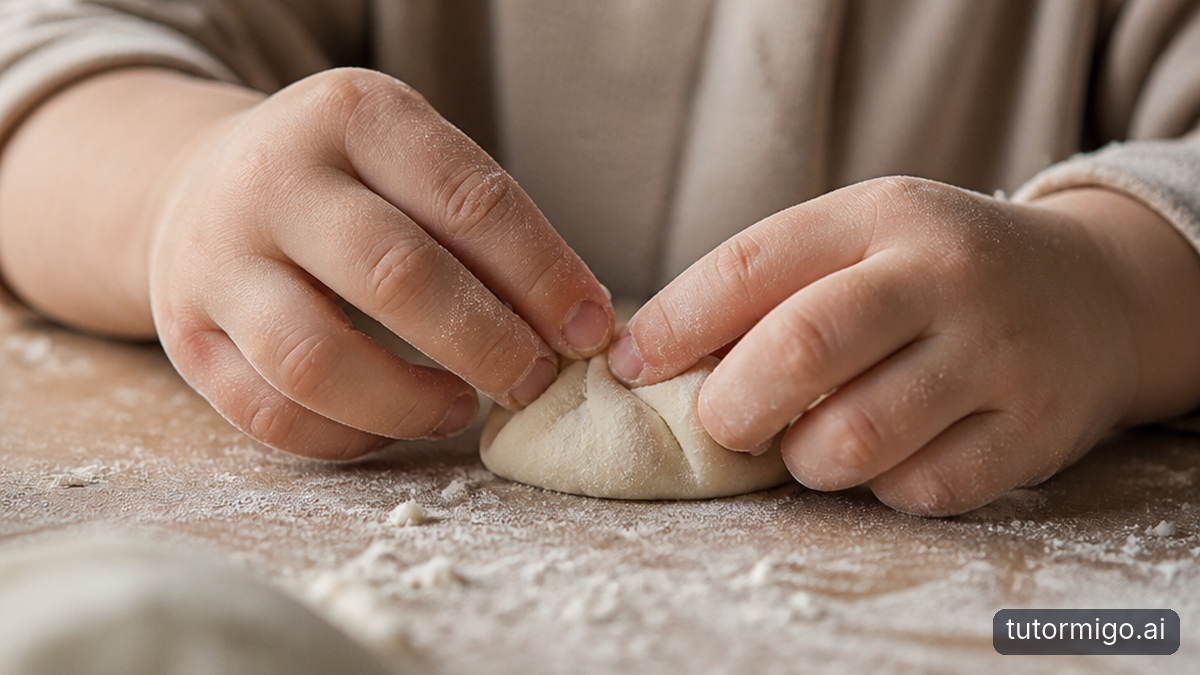
Use the first two minutes to choose a task small enough for several genuine attempts. Three short flashcards are a sensible starting point, not a rule. One difficult concept may be plenty; five familiar vocabulary cards might be manageable. Judge the size by the thinking required, not just the number of cards.
A useful goal names both the material and the action: “Explain what roots, stems, and leaves do without looking.” That is more workable than “learn plants.” Each card should ask one clear question, with an answer your child can check quickly. Save broad prompts such as “Explain everything about plants” for another format.
If you already have a deck, select a small group rather than opening the entire stack. If you are starting from notes, choose one short passage and turn its key ideas into a few questions. This guide to turning study material into recall cards can help you keep those prompts focused.
Offer a bounded choice: “Would you rather start with plant parts or the three vocabulary words?” Then agree on the finish line. The goal might be to attempt every card and improve one uncertain answer, rather than get everything right. If choosing or making cards consumes the whole session, the task is still too big. Use fewer cards tonight.
Minutes 3–10: Practice Recall, With a Simple Reset if Your Child Gets Stuck
For the next eight minutes, put the notes aside and show one question at a time. Ask your child to answer aloud before turning the card over. Reading an answer and recognizing it feels comfortable, but trying to retrieve it shows what they can remember without help. Give them a quiet pause rather than immediately filling the silence.
Suppose the card asks what roots do, and your child says, “They hold the plant.” Acknowledge what is right, then check the back together for the missing detail about taking in water. Put the card behind the others so your child can try again after a short gap, rather than simply repeating your words immediately.
If they get stuck, use a predictable reset: offer one small cue, check the answer together, then return to it later. You might ask, “What do roots take up from the soil?” If that still draws a blank, reveal the answer without making your child keep guessing. A missed card is information about what needs practice, not a reason to prolong the session.
If a concept remains confusing, you can ask the AI Tutor in TutorMigo.ai for a simpler explanation, then have your child explain it back in their own words. Keep this detour brief and check it against the class material. For more prompting ideas, see how to help your child think without giving the answer.
Minutes 11–13: Review What Your Child Remembered and Retry One Tricky Card
When practice time ends, resist adding fresh material. Use these three minutes to notice what changed. Ask, “Which answer came back easily?” and “Which one still needs a cue?” Let your child answer before you give your view. This helps them distinguish a confident memory from an answer that only looks familiar once revealed.
Keep the review simple. You can separate physical cards into “remembered” and “needs another try,” or make a brief note beside the selected questions. There is no need for a score or a complicated tracking system. You are collecting just enough information to choose tomorrow’s practice.
Now retry one tricky card without the answer showing. If your child originally remembered that roots anchor a plant but forgot water uptake, ask the original question again. Listen for whether they can supply both ideas independently. If they still need help, check the answer once more and mark it for a future review. Do not turn the final minutes into a test they must pass before stopping.
End this part with specific feedback: “You remembered what stems do without a hint, and you added the missing detail about roots.” That makes progress concrete without pretending everything is mastered. Your child leaves knowing what improved and what remains unfinished, which is more useful than a vague “Good job.”
Minutes 14–15: Plan Tomorrow’s Small Goal With Spaced Repetition
Use the final two minutes to leave tomorrow a clear starting point. Record the topic, the card that needed help, and one short goal. For example: “Start with roots, then review stems and leaves. Try answering without a cue.” A note this small prevents you from reopening the whole assignment and making every decision again.
Spaced repetition means returning to material across separate sessions, with longer gaps as recall becomes more reliable. Repeating a difficult answer several times tonight is not the same as remembering it tomorrow. Start the next session with the uncertain card, then include previously learned material when it is due for review. Add new cards only if the workload still fits.
TutorMigo.ai’s spaced-repetition flashcards provide review scheduling, so you can use the deck’s scheduled reviews to guide your choices instead of treating every card as equally urgent. Keep the small-session boundary: a large review queue does not mean your child must work through everything tonight. Choose a manageable goal within the time available.
If you used the AI Tutor for an explanation, its session history gives you a place to revisit that conversation tomorrow. Use it to find the explanation you discussed, then return to recall rather than rereading the entire exchange. Tomorrow builds on today when your child retrieves the idea again, not simply when you reopen the same material.
Try It Tonight: One Small Goal, a Few Cards, and a 15-Minute Timer
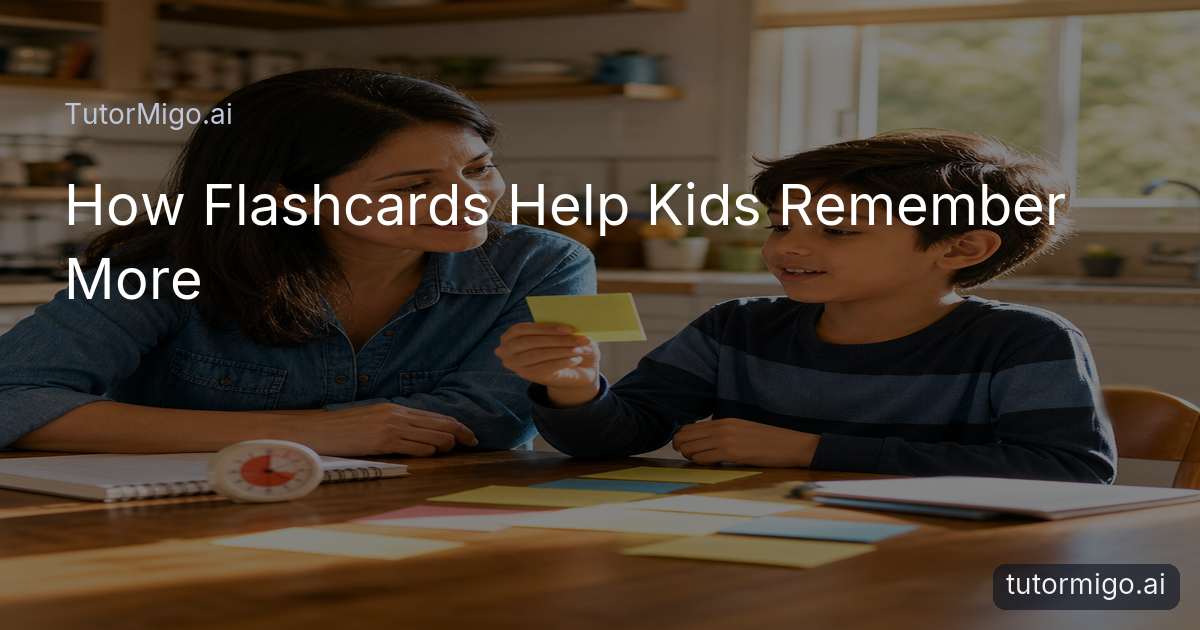
Tonight, put a timer and a few relevant cards on the table before inviting your child over. Avoid presenting the entire pile of unfinished work. Say, “We’re going to practice these three questions for fifteen minutes. You don’t have to know every answer before we start.” That gives the session a clear purpose without making success depend on perfection.
Spend two minutes agreeing on the cards and the goal. Practice for eight minutes, with answers hidden until your child has tried. Use three minutes to identify what they remembered and retry one difficult card. Spend the last two minutes leaving a short note for tomorrow. Then stop, even if you feel tempted to squeeze in one more topic.
If the first attempt feels bumpy, adjust the size of the task rather than increasing the pressure. Tomorrow might need two cards instead of three, shorter answers, or a clearer question. If your child spends most of the time confused, return to a brief explanation before asking for recall again. Smaller practice is useful only when the questions make sense.
Your aim tonight is modest: help your child begin, retrieve something from memory, and know where to start next time. Put tomorrow’s first card somewhere easy to find, agree on a likely time to return, and let the session be finished. One small, repeatable routine is a better starting point than an ambitious plan nobody wants to begin.
Frequently asked questions
Choose a goal that leaves time for several recall attempts within eight minutes of practice. Three short flashcards are a useful starting point, but one demanding concept may be enough. Define an action, such as explaining three terms without looking, rather than choosing an entire chapter.
Pause, offer one small cue, then check the answer together if needed. Return to the card after practicing another question. If the concept itself is unclear, use a brief explanation before trying recall again; avoid making your child guess repeatedly.
Begin with a card that needed help today, and include other cards when they are due for review. As recall becomes more reliable, leave longer gaps between reviews. Add new material only when it fits the small goal and time limit.
Treat this routine as a bounded recall session, not a promise to complete all homework. Stop at the agreed time, identify what remains, and make a separate plan for required work. Avoid quietly extending the session as a reward for getting started.
Explore TutorMigo
Enjoyed this read?
Like, share, or comment below.


Comments
0Sign in required · respectful discussion · replies supported
Loading comments…