

Why the Literacy Matthew Effect Starts Early

If reading feels difficult, you may notice a pattern that seems unfair: confident readers read more, build vocabulary faster, and become even more confident, while struggling readers get fewer chances to practise. This cycle is often called the Matthew Effect in literacy. Early support can interrupt it before gaps become identities.
The key is to treat language exposure as an expanding resource, not a fixed trait. A child who hears precise words such as enormous, reluctant, or investigate in meaningful conversation has more tools for understanding future texts. An adult learner benefits in the same way when workplace or everyday language is explained instead of assumed.
Look for patterns rather than labels. Does a learner avoid reading aloud, rely on vague words, or understand a story better when it is discussed? Those observations point to the kind of support that can make practice feel successful.
Build linguistic capital through daily talk
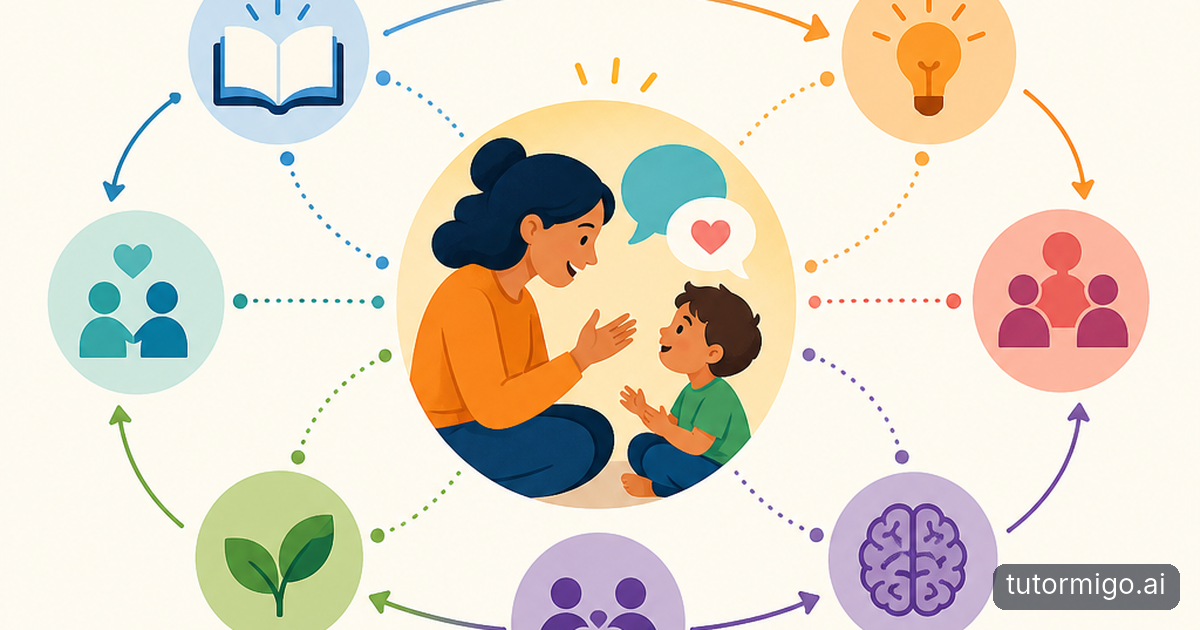
Reading intervention should include conversation, not just worksheets. Ask open questions that require more than a yes-or-no answer: “What makes you think the character is worried?” or “How is this process similar to something you already know?” Give the learner time to answer, then extend the response with one richer phrase.
For example, if a student says, “The storm was bad,” you might reply, “Yes, it was severe because the wind damaged the roof.” The student hears a precise word, its meaning, and a model sentence without being interrupted for a vocabulary quiz. Revisit that word later in a new context.
Use picture books, short articles, recipes, instructions, and personally meaningful topics. Before reading, introduce two or three essential words. During reading, connect them to the learner’s experiences. Afterward, invite a retelling, sketch, explanation, or debate so new language becomes active rather than merely recognised.
Make early reading practice feel achievable
Many learners need a staircase, not a leap. Choose text that is challenging enough to teach something but accessible enough for repeated success. A teacher might preview a short passage, read one paragraph aloud, read it together, and then invite the student to reread a selected sentence independently.
Keep feedback specific. Instead of saying “Try harder,” name the useful action: “You checked the first sound and then looked at the whole sentence.” If a learner misreads a word, respond calmly, model it, and return to the sentence’s meaning. Accuracy matters, but so does preserving the learner’s willingness to continue.
Track small evidence of growth: more words retold, fewer abandoned pages, a wider range of questions, or a new willingness to choose books. Share those gains with the learner. Visible progress helps replace the story of “I am bad at reading” with “I have strategies that work.”
Tip: End each practice session with a task the learner can complete independently. A confident final minute makes it easier to begin again tomorrow.
Use ai carefully, then keep human judgment central
AI can support literacy when it is used to increase access to language rather than replace conversation. For instance, you might ask an ai tool to suggest three plain-language explanations of a difficult word, generate discussion questions about a short passage, or adapt a practice sentence to a learner’s interests. Check every suggestion for accuracy, age appropriateness, and cultural fit.
The human relationship remains essential. A teacher, parent, or tutor notices hesitation, humour, confusion, and confidence in ways an automated system may miss. Ask the learner which explanation makes sense, invite them to use the word in their own sentence, and correct misunderstandings through dialogue.
Start with one repeatable routine: read a short passage, discuss one unfamiliar word, retell the central idea, and record one successful strategy. If you want structured support for monitoring student progress and assigning learning resources, TutorMigo.ai’s Teacher Dashboard may be a practical next step; see also this guide to recognising when answers are not yet learning.
Frequently asked questions
It describes a widening gap in which learners who read successfully tend to practise more and gain language faster, while learners who struggle may avoid reading and receive fewer opportunities to grow.
Linguistic capital is the vocabulary, language patterns, background knowledge, and communication strategies a learner can draw on to understand texts and express ideas.
Talk about stories, explain unfamiliar words in context, ask open questions, invite retellings, and connect reading to everyday experiences such as cooking, shopping, or solving a problem.
AI can offer vocabulary explanations, discussion prompts, and extra practice, but an adult should review its output and remain responsible for choosing appropriate materials and responding to the learner.
Enjoyed this read?
Like, share, or comment below.



Comments
0Sign in required · respectful discussion · replies supported
Loading comments…