


AI in education: opportunity depends on how you use it
AI in education offers a real opportunity to make explanations and practice more accessible, but it also creates challenges around accuracy, privacy, fairness, and independent thinking. The deciding factor is how you use it: as support for doing the intellectual work, or as a shortcut that quietly replaces that work.
You may already know the problem. You are stuck on an unfamiliar concept, an assignment is due, and an AI tool produces a polished answer in seconds. That answer can move you forward. It can also make you feel that you understand something you could not explain without the screen.
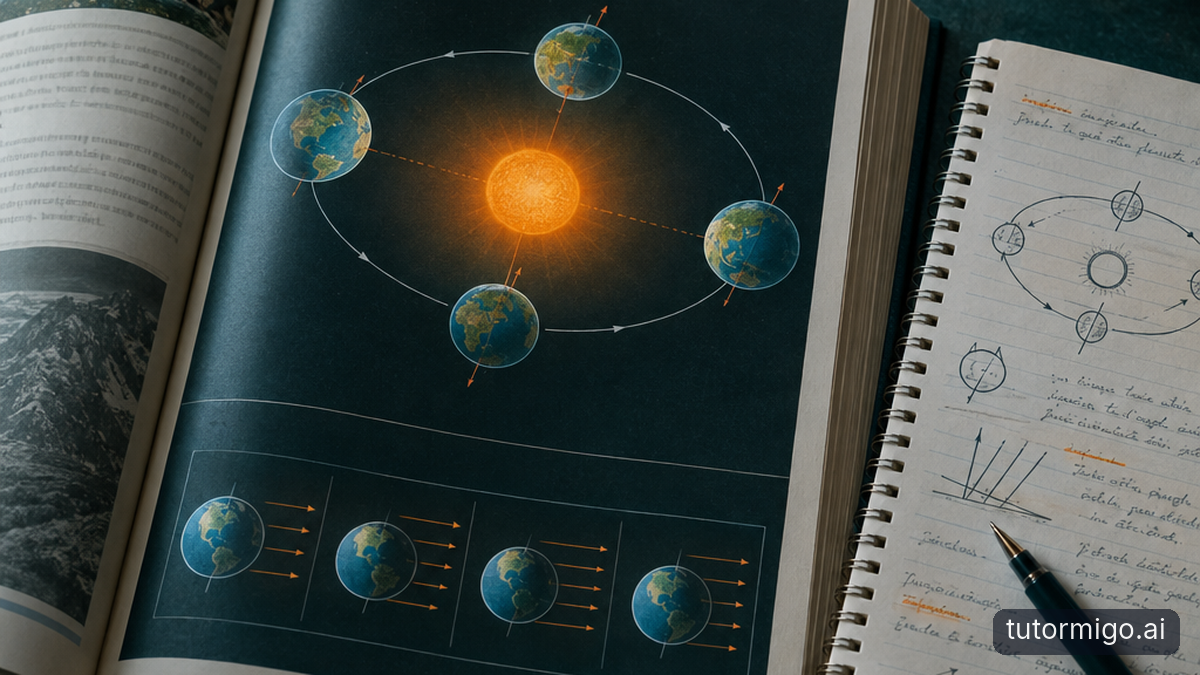
Imagine you are studying why seasons change. Asking for a finished paragraph gives you something to copy. Asking for an explanation, then describing the idea back in your own words and checking it against your textbook, creates a learning task. The technology is similar; your participation is different.
That distinction is more useful than deciding whether AI is simply good or bad. For each use, ask what you want to learn, what thinking you will still do yourself, and how you will know whether the output is trustworthy. If you cannot answer those questions, start with a smaller task rather than handing over the whole assignment.
Use AI to support practice, not replace effort

One promising use of AI is getting another explanation when the first one does not click. You can ask for simpler language, a contrasting example, or a question that checks a specific misunderstanding. This can make a study session less frustrating, especially when immediate human help is unavailable.
Suppose you keep confusing correlation with causation. Instead of requesting a definition to memorise, ask for two short scenarios and decide which supports a causal claim. Explain your reasoning before reading any feedback. Then compare the feedback with your course materials. You have turned a passive explanation into practice that exposes what you understand.
The important limit is that adapting an explanation is not the same as accurately diagnosing your learning needs. A system may respond confidently without recognising the source of your confusion. If several explanations leave you stuck, take your attempted reasoning to a teacher or another knowledgeable person rather than requesting endless rewrites.
Keep some practice completely independent. Close the conversation and explain the concept aloud, answer a fresh question, or write a short summary from memory. If you can only perform while the tool supplies hints, you have identified the next skill to practise—not proof that you have mastered it.
Treat confident answers as claims to check
AI-generated responses can contain invented references, incorrect details, and reasoning that sounds convincing but does not hold up. Smooth wording is not evidence. This matters in education because an error can become part of what you remember, particularly when you are learning a subject for the first time.
Use a verification routine that matches the task. For a historical claim, check the date and interpretation against assigned readings or a reputable reference. For a scientific explanation, compare the mechanism with your textbook. If a response cites a study, find the original publication and confirm that it actually supports the claim being made.
Asking the same system whether its answer is correct is not independent verification. It may repeat the mistake or produce a different unsupported answer. Asking for sources can give you leads, but those sources still need checking. If you cannot verify a detail, leave it out or mark it as uncertain.
Also look for missing perspectives. An explanation of a social issue may present one cultural assumption as universal or omit relevant disagreement. Ask whose viewpoint is represented, then consult material beyond the generated response. For consequential judgments, such as grading or decisions about a learner's needs, AI output should not replace qualified human review.
Protect privacy and make access part of the decision
Before entering information into an AI tool, consider whether you have permission to share it. A request that seems harmless can include names, assessment results, personal difficulties, or details about someone else. Once that information is submitted, its handling depends on the service's settings and terms—not on your intention to use it only for studying.
Use an invented example when personal details are unnecessary. Rather than uploading a named learner's complete work record to ask about a recurring mistake, describe the mistake anonymously and include only the relevant excerpt, where permitted. Check institutional rules and the service's privacy controls before sharing educational records or identifiable work. Removing a name alone may not make a document anonymous.
Access deserves the same attention as privacy. A task is not equally accessible simply because an AI service exists. Some people have unreliable internet, limited device access, accessibility requirements, or no budget for paid tools. Making AI compulsory can turn those differences into learning disadvantages.
If you are setting a learning activity, provide a workable alternative that meets the same objective without a paid service. If you are choosing tools for yourself, test whether the interface and explanations actually suit your needs. Convenience for one person should not become an invisible requirement for everyone else.
Set boundaries that preserve ownership of the work
The line between support and substitution depends partly on the task. Getting feedback on an argument you developed is different from submitting an argument generated for you. An activity designed to assess independent writing may prohibit help that would be acceptable during an open practice session. Check the rules before using a tool, not after finishing.
Make the boundary specific. A useful agreement might allow explanation of unfamiliar terms and feedback on a learner's own draft, while excluding generated answers for submission. Where disclosure is required, record what tool you used, what assistance it provided, and what you changed or verified. If the policy is unclear, ask for an example of permitted use.
You can also protect your own learning with an attempt-first habit. Spend time identifying the problem, making an initial attempt, and naming the exact point where you became stuck. Then ask for the smallest useful hint. This gives you something to compare with the response and keeps the central reasoning in your hands.
Finally, check whether you can defend the finished work. Can you explain why you chose an example, how you reached a conclusion, and where the evidence came from? If not, return to that gap. A polished submission is not a substitute for understanding you can demonstrate.
What to do next: test one small use
You do not need to adopt AI everywhere or reject it entirely. Choose one recurring learning obstacle, such as needing another explanation of a difficult concept. Define success in terms of learning: being able to explain the concept accurately without assistance, rather than producing notes more quickly.
Try a simple routine during your next study session. Make an independent attempt, request one targeted explanation or hint, verify the important claims, and close the tool. Then tackle a fresh question on the same concept. Notice whether you can use the idea without repeating the response's wording. That final check matters more than how helpful the conversation felt.
After several sessions, review what changed. Did you understand more, or just finish faster? Did checking the output take longer than using a trusted source directly? Keep the uses that support independent performance and drop those that add distraction or uncertainty. For programming practice, TutorMigo.ai's Code Challenge Hub is one option for browsing Python and JavaScript challenges by difficulty and solving them in your browser.
The opportunity is not automatic personalisation or effortless achievement. It is another way to get explanations, test ideas, and keep practising—with you still responsible for the thinking. Start small, set boundaries, and judge the tool by what you can do after you put it away.
Frequently asked questions
It is both. AI can support explanations and practice, but inaccurate output, privacy risks, unequal access, and overreliance require clear boundaries and human judgment.
Close the tool and try a fresh question or explain the concept from memory. Independent performance is a better check than how clear the generated answer seemed.
It depends on the assignment and its rules. Check what assistance is permitted, follow disclosure requirements, and do not submit generated work as your own independent effort.
Avoid sharing identifiable educational records, private personal details, or someone else's work without permission. Check relevant policies and privacy terms before submitting sensitive material.
Related reading
Related reading
Enjoyed this read?
Like, share, or comment below.



Comments
0Sign in required · respectful discussion · replies supported
Loading comments…