


Understanding Your Learning Style for IELTS Preparation
 Struggling with IELTS preparation often comes down to not matching your learning style with the right support. If you are looking for the best ai tutor for kids to help boost your scores in all four skills, identifying whether you are visual, auditory, or hands-on can guide your choices effectively.
Visual learners do well with diagrams and written notes. In IELTS reading, use mind maps to connect ideas from the passages. Auditory learners should repeat audio clips and discuss topics aloud to improve listening and speaking. Kinesthetic learners benefit from writing out answers by hand or using physical props during speaking practice.
For example, if you are visual, highlight key vocabulary in reading texts and create timelines for the listening recordings. This turns the test into something you can see and review. Many students find that once they identify their style, they waste less time on methods that do not work for them and see quicker gains in their band scores.
Consider a student who learned best by doing. She practiced writing by typing and then rewriting her essays on paper to feel the flow. For speaking, she walked around the room while answering questions. This active method helped her stay focused and improved her overall performance in mock tests.
Adapting Practice for Listening and Reading
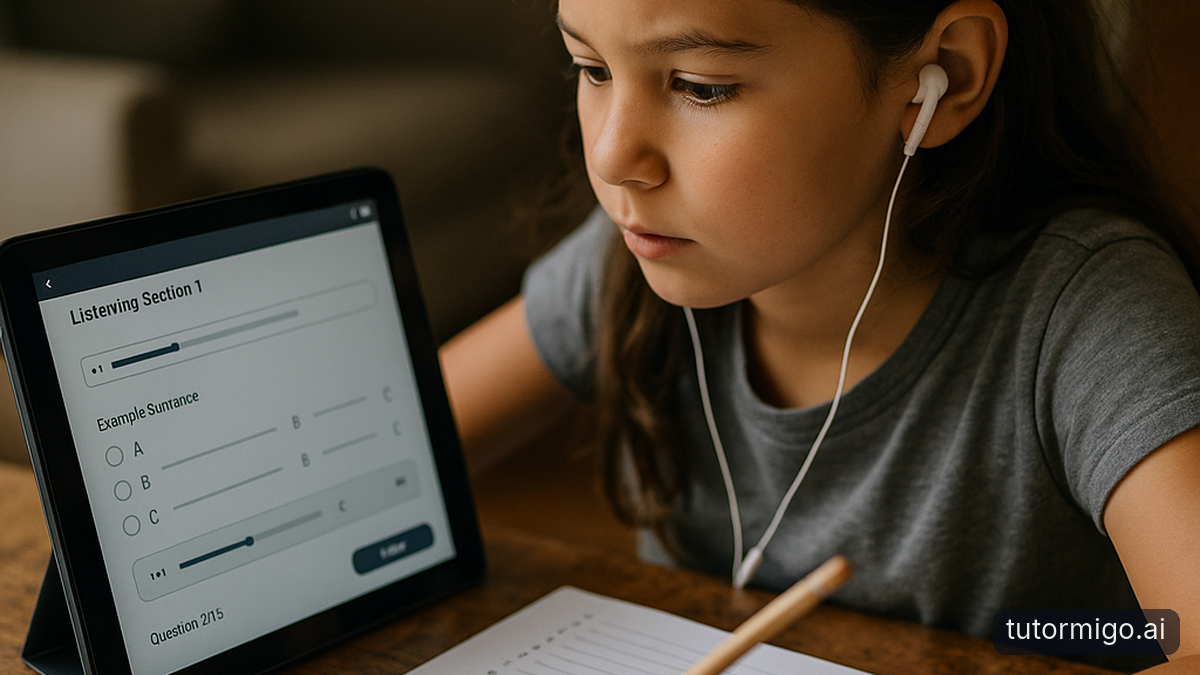 Once you know your learning style, the next step is to adapt your practice specifically for the listening and reading sections. These parts of the IELTS test require strong comprehension skills under timed conditions.
The listening section includes four recordings that get harder as you go. Auditory learners can benefit from listening to similar materials like news broadcasts or lectures without pausing. After each one, summarize the main points out loud. Visual learners can use transcripts to follow along and underline important details as they appear.
Reading has three long passages with 40 questions. You need to manage your time carefully. If you prefer hands-on learning, practice by writing the answers on paper rather than just thinking them. Scan the questions first for keywords, then search the text for matches. This method works well for kinesthetic types who like to be active.
Take the case of a student preparing for the general training module. He was an auditory learner and used to read silently, which did not help. He started reading passages out loud and recording himself. Then he listened back while checking his answers. This change helped him catch details he previously missed and improved his reading band score.
Combine these practices with vocabulary building on common IELTS topics. Review words related to health, environment, and society. Use them in context to make them stick better for the test day.
Building Skills in Writing and Speaking
The writing and speaking sections test your ability to produce English clearly and accurately. Matching your practice to your learning style can help you improve faster in these productive skills.For writing, you have to complete two tasks in 60 minutes. Visual learners might benefit from looking at sample essays and noting the structure with colors or arrows. Kinesthetic learners can write multiple drafts by hand to get a feel for the word count and flow. Always leave time to check for grammar and spelling mistakes at the end.
Speaking lasts 11 to 14 minutes and covers three parts. The AI Tutor can simulate a real examiner by asking follow-up questions and giving feedback on your fluency and vocabulary. Auditory learners will find this especially useful because they can hear the responses and adjust their own speaking style based on what they hear.
For instance, a visual learner created a set of cue cards with key phrases for different topics. During practice, she referred to them to keep her long turn organized. Over several sessions, she no longer needed the cards and could speak more naturally, leading to better coherence scores.
Practice both skills regularly. Aim for one writing task and several speaking questions each day. Record your speaking to review later and compare it to high-scoring samples.
Creating Your IELTS Study Plan
A solid IELTS study plan helps you cover all the skills without feeling overwhelmed before the test.Begin with a diagnostic mock test to establish your starting band scores in listening, reading, writing, and speaking. Use the results to decide where to focus your time. If listening is your weakest, dedicate extra sessions to it while maintaining practice in the others to keep skills sharp.
Divide your time into short daily sessions. For example, spend 20 minutes on listening, 20 on reading, and 20 on writing or speaking. Look at this eight-week IELTS study plan for a structured outline that you can customize. Include one full mock test every week or two to track improvement.
Visual learners can use a wall calendar with different colors for each skill. Auditory learners might listen to English podcasts during commutes as extra practice. Kinesthetic learners should keep a physical journal of what they studied and any notes on what felt difficult that day.
Consistency matters more than long study marathons. Small daily efforts build up to better results. Adjust the plan based on your progress and how you feel about each section.
Fixing Common Mistakes During Prep
Knowing common mistakes in IELTS preparation can save you from losing easy points on test day.In listening, a frequent error is not using the preview time to read questions. Always glance at them first to know what to listen for. In reading, avoid getting stuck on hard questions. Move on and come back if time allows. Kinesthetic learners can mark questions with a pencil to return to later.
Writing mistakes often include not addressing all parts of the question or using repetitive language. Read the prompt twice and plan your response before writing. For speaking, do not pause too long or repeat the same words. Expand your answers with examples to show a range of vocabulary.
Another issue is not reviewing your practice work. After completing a task, compare it to model answers. The AI Tutor can point out specific areas like weak grammar or poor organization in your speaking. Use this feedback to target your next practice session.
Suppose you keep making the same error in writing task two by not giving a clear opinion. Start each essay by stating your view in the introduction. Then support it in the body paragraphs. This simple fix can raise your task achievement score significantly.
Tip: After each practice test, spend 10 minutes noting three things you did well and three to improve. This reflection helps turn mistakes into learning opportunities.Finding the Right Support for Your Style
The final step is to find support that fits how you learn best for ongoing IELTS preparation.When searching, consider options that provide adaptive practice across all skills. The best ai tutor for kids should offer ways to customize sessions based on your style, such as visual aids, audio feedback, or interactive exercises. Make sure it includes full-length mock exams with accurate timing.
Check the type of feedback available. Does it explain why an answer is wrong in reading or suggest better phrases for speaking? Test different platforms during free periods to see which one keeps you motivated. Some students prefer chat-based help while others like structured lessons.
Read about other people's experiences with IELTS preparation to get ideas. Once you pick one, commit to using it regularly alongside official materials. Track your band scores over time to confirm it is helping you improve.
With the right match, your study sessions become more productive. You will feel more confident going into the test knowing you have practiced in a way that works for you.
Ready to get started? Try TutorMigo.ai for free today and see how it supports your IELTS preparation.Frequently asked questions
The IELTS test assesses listening, reading, writing, and speaking. Your performance in each contributes to an overall band score between 0 and 9.
Most students prepare for 4 to 12 weeks depending on their starting level. Consistent daily practice with a focus on weak skills leads to the best results.
Yes, taking full mock tests helps you get used to the format and timing. Review your answers carefully to learn from mistakes in each section.
Requirements vary but many universities ask for an overall band of 6.5 or 7.0 with no less than 6.0 in each skill. Check the specific institution for details.
Explore TutorMigo
Enjoyed this read?
Like, share, or comment below.

Comments
0Sign in required · respectful discussion · replies supported
Loading comments…