

Start independent learning with a goal, not an answer

Independent learning does not mean leaving your child alone with a difficult task. It means gradually handing over decisions they can manage: what they want to understand, what they will try, and how they will know they have learned it. AI is useful when it supports those decisions without quietly taking them over.
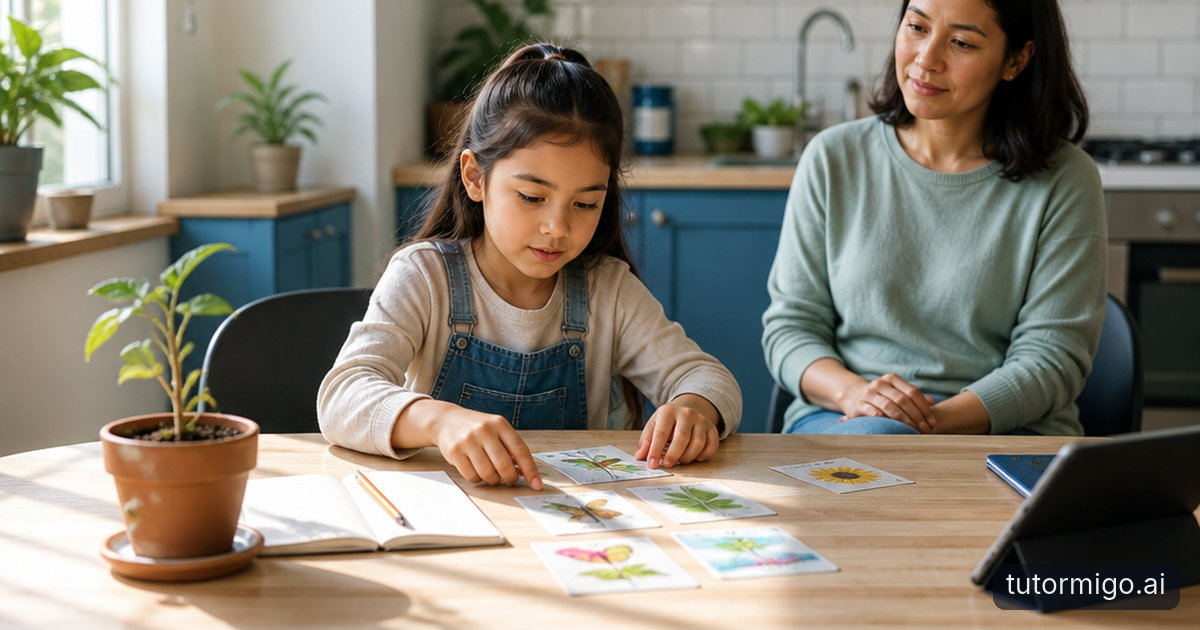
Before opening a chat, ask your child to finish this sentence: “By the end, I want to be able to…” Keep the goal concrete. “Understand plants” is hard to judge. “Explain why our windowsill plant bends toward the light” gives your child something specific to investigate and explain afterward.
Then let your child make a first attempt. They might draw the plant, offer a possible explanation, or list what they already know. That attempt gives them something to compare against the help they receive. It also stops the AI response from becoming their first and only idea.
Explain that useful help should leave them able to do something they could not do before. Finishing a page is not enough evidence. Being able to explain a new idea, choose a sensible approach, or spot an error is more meaningful. This is one reason independent learning can build children’s confidence: progress becomes something they can recognize for themselves.
Let your child own the plan
A child who repeatedly asks “What do I do now?” may need help planning, not more explanations of the subject. AI can suggest ways to break an unfamiliar activity into manageable parts. But your child should choose and adapt the plan rather than follow a long generated checklist without thinking.
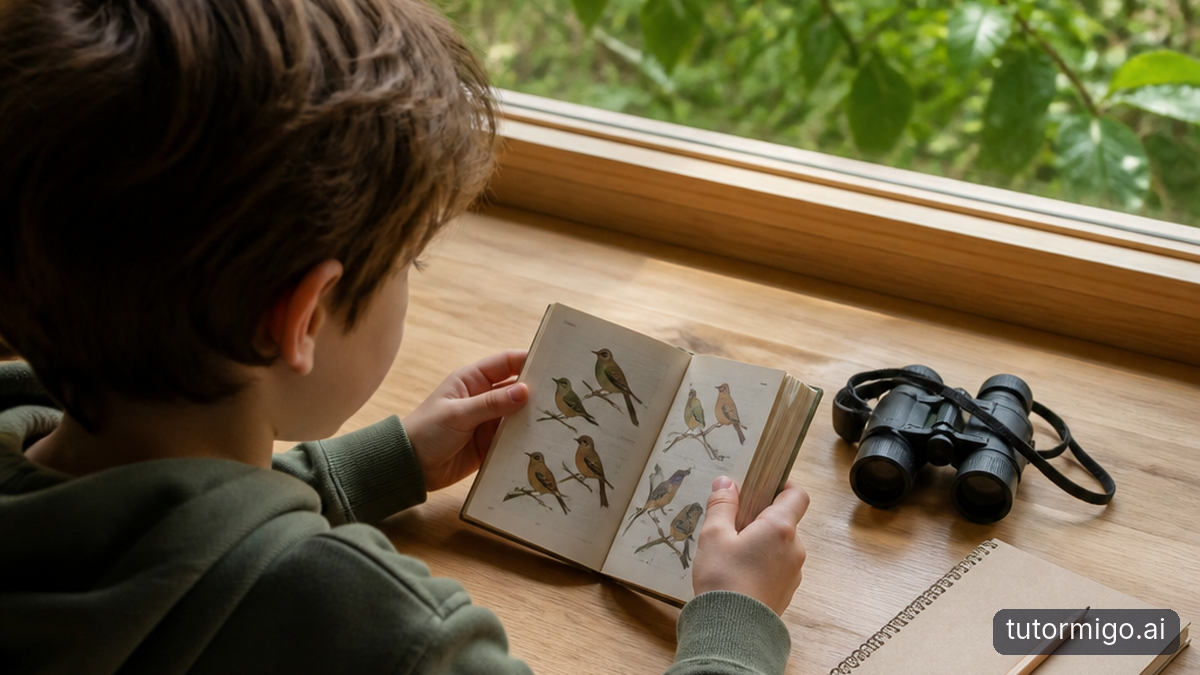
Suppose your child wants to find out which garden birds visit your home. They could ask, “Help me plan a short bird observation. Ask what equipment and time I have before suggesting anything.” Once suggestions appear, invite your child to choose a starting point, gather what they need, and decide when to stop.
Keep the plan small enough to remember. Looking out of one window, sketching what they notice, and checking one identification may be plenty. If AI suggests photographing birds across the neighborhood or buying equipment, your child can reject those steps. Learning to say “That does not fit my situation” is part of independence.
Afterward, ask which part of the plan helped and which part they changed. Avoid judging success by whether they followed every step. A useful plan is a tool, not an authority. Over time, have your child propose their own approach first and ask AI only to identify something they might have overlooked.
Turn getting stuck into better questions
When children struggle, they often ask for the whole solution because they cannot yet name the smaller problem. Help your child replace “I don’t get it” with a description of the sticking point: “I understand what happened in the story, but I cannot explain why the character changed their mind.” That makes targeted help possible.
Agree on a simple help sequence: try something, describe the difficulty, request one hint, then try again away from the screen. Your child could ask, “Do not answer the question. Ask me one question that will help me notice the important clue.” AI may still give too much away, so check the exchange together initially.
For example, if your child cannot explain why an ice cube melts faster in one place than another, a useful prompt might request a question about the surroundings. After receiving it, your child returns to the actual ice cubes and makes another observation. The interaction sends attention back to the learning rather than keeping it inside the chat.
Praise the quality of the question and the next attempt, not just a correct answer. “You noticed exactly where you needed help” reinforces a repeatable strategy. For more on keeping that boundary clear, see this guide to using AI for help without having it do the work.
Teach your child to check convincing answers
Independent learners need more than the confidence to ask questions. They need the judgment to decide whether an answer deserves trust. AI can produce explanations that sound polished but contain mistakes, missing context, or invented details. Teach your child that a confident tone is not evidence.
Use a checking routine: compare the response with a reliable source, look for a concrete example, and explain the claim in your own words. If AI identifies a garden bird, compare that suggestion with a trusted bird guide and the features your child actually observed. A different beak shape is a reason to reconsider, not something to ignore because the response sounded certain.
For explanations, ask your child, “Which part could we test or look up?” A claim about whether a material floats can be investigated with suitable adult supervision. A historical claim needs a trustworthy reference. Asking the same AI whether it is sure is not an independent check; it may simply repeat the mistake.
Model uncertainty yourself: “That sounds possible, but I don’t know yet.” You are showing that checking is normal, not a punishment for being wrong. Your child should also feel free to disagree with AI when observations or reliable sources point elsewhere. The aim is thoughtful skepticism, not blanket trust or blanket rejection.
Build in time to remember and use the learning
A helpful explanation can create the feeling of understanding before your child can use the idea independently. Close the chat and ask them to explain, draw, demonstrate, or apply what they learned without looking back. Keep this low-pressure: it is a way to discover what needs another attempt, not a surprise test.
After exploring why some objects float, your child might predict what will happen to a different object and explain their reasoning. If they repeat a phrase but cannot connect it to the new example, revisit the confusing part. AI can suggest another practice question, but you should check that it is accurate and appropriate before using it.
Return to the idea on another day. Ask your child what they remember before offering reminders. Bringing an idea back to mind takes effort, and that effort helps reveal whether the learning is available beyond the original conversation. A brief explanation while putting away dishes can be more useful than rereading a long chat.
Finally, ask, “What helped you learn this?” Encourage a specific answer such as “Drawing the different shapes helped me compare them,” rather than “AI told me.” Your child is building a collection of strategies they can choose again. That awareness matters because the lasting benefit is not one answer; it is knowing how to approach the next unfamiliar question.
Start small, then gradually step back
This week, choose one low-stakes question your child genuinely cares about. It might concern a pet’s behavior, a story, or something they noticed outdoors. Agree that they will make a first attempt, use AI for limited help, and finish with an explanation or action away from the screen. Keep the session short enough that curiosity survives it.
Set boundaries before you begin. Follow the service’s age requirements, use adult supervision where needed, and avoid entering identifying details, photographs, school information, or private concerns. Make clear that school rules still apply. A tool that is suitable for exploring a personal question may not be permitted for an assessed assignment.
Afterward, review who did the thinking. Could your child choose a next step, describe what confused them, and check one claim? If not, reduce the amount of AI help next time rather than adding more prompts. If they could, step back slightly during the next session while remaining available. You can also keep some learning activities entirely screen-free to see which habits carry over.
If you want support staying involved as your child takes more responsibility, TutorMigo.ai offers a Parent Dashboard with visibility into child progress, learning controls, and co-learning features. Whatever tool you choose, keep the same test: is your child becoming more able to learn without it?
Frequently asked questions
Look at what your child can do after closing the tool. Can they explain the idea, choose a next step, check a claim, or try a similar task? Completed work alone does not show independent learning.
Agree on a first-attempt rule and model a smaller request, such as asking for one hint. If the tool reveals the answer anyway, move to a fresh example and let your child attempt it without help.
Follow the service’s age requirements and begin by using it together. Adjust supervision to your child’s readiness, the topic, and the tool’s safeguards. Taking more responsibility should not mean losing access to adult guidance.
Explore TutorMigo
Enjoyed this read?
Like, share, or comment below.



Comments
0Sign in required · respectful discussion · replies supported
Loading comments…