


Independent learning means ownership, not learning alone
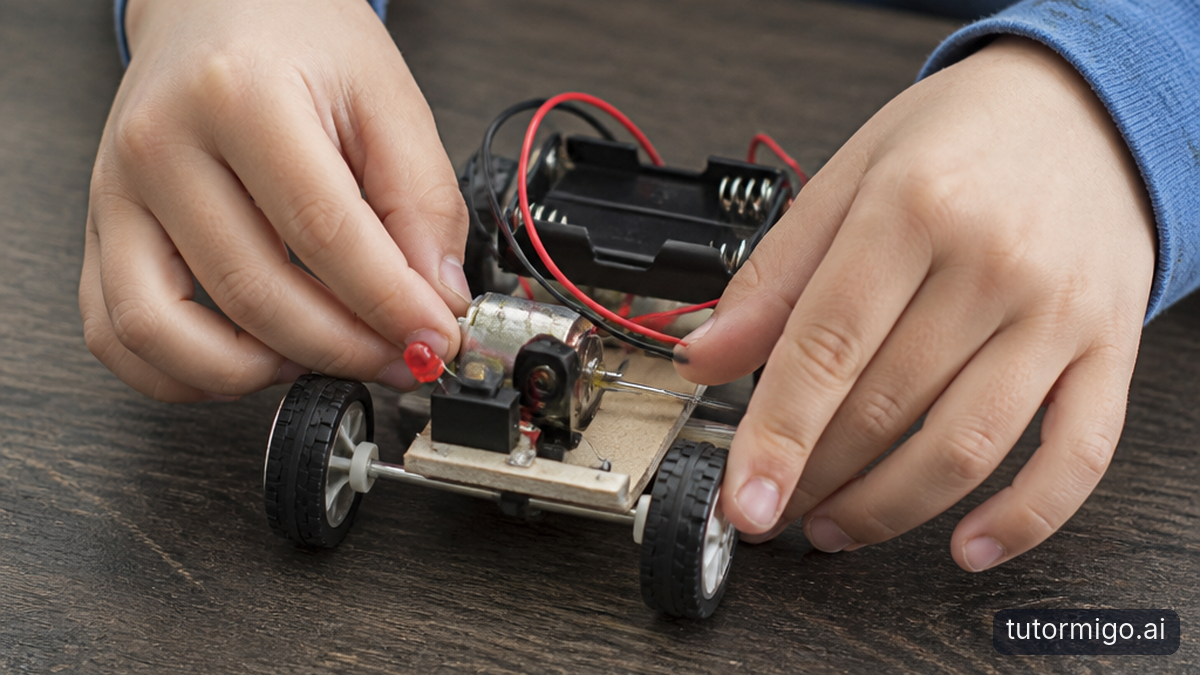
Independent learning means your child gradually takes responsibility for parts of learning they can reasonably manage. They might gather their materials, choose a starting point, try a familiar strategy, or explain where they became confused. It does not mean teaching themselves unfamiliar content or struggling silently until an adult decides they have tried hard enough.
Age-appropriate independence depends on experience as well as age. A child new to homework may need you to read the directions together and help identify the first action. A more experienced child may be ready to plan several tasks and request a check-in afterward. The useful question is not, “Should they be doing this alone?” but, “Which part can they handle today?”
For example, you could help your child turn a worksheet into three actions: read the example, complete the first group of questions, and check the answers. They own the actions; you remain available if the example does not make sense. In a classroom, the same approach might involve modeling one task before pupils attempt a similar one.
Keep any established learning accommodations in place. Reading support, visual prompts, and movement breaks can enable independence rather than undermine it. The aim is less unnecessary adult direction, not less access to help.
How trying for themselves builds lasting confidence

Of the habits that support confidence, independent learning is one that gives children concrete evidence of their own capability. When your child chooses a strategy and makes progress, they can connect the result to something they did. “I reread the instructions and found the missing detail” is more useful than simply hearing, “You are clever.”
That connection also supports persistence. A difficult question stops being only a test of whether they know the answer immediately. It becomes something they can approach: draw a picture, look at a worked example, break the problem apart, or ask a precise question. Persistence means making a purposeful next attempt, not repeating an unsuccessful approach indefinitely.
Problem-solving grows through these small decisions. Imagine your child cannot begin a written response. Instead of supplying the opening sentence, you ask what the question requires and where they could find supporting information. They locate a relevant paragraph, explain it aloud, and then write. You supported the process without doing the thinking for them.
Notice the strategy afterward: “You found the evidence before you started writing. That helped you get unstuck.” This makes success easier to understand and repeat. For more examples of feedback that preserves ownership, see this guide to building your child’s confidence without taking over. Progress may be uneven, but successful attempts give you something specific to build on.
Make starting easier with a predictable routine
“Do your homework” sounds like one instruction, but it hides several jobs: stop another activity, find the materials, understand the task, and decide where to begin. A child who waits for reminders may need help with that sequence rather than another reminder to concentrate. Make the starting process visible and repeatable.
Choose a dependable cue, such as after a snack or at the beginning of classroom practice. Then use the same short sequence: gather materials, read the directions, and name the first action. Ask your child to say something concrete, such as, “I will read the passage and underline information about the main character.” “I will finish everything” is too broad to guide a start.
Break larger assignments into meaningful pieces. For a worksheet, your child could identify the question types, complete one group, and pause to check before continuing. For a writing task, the pieces might be choosing an idea, finding evidence, and drafting a paragraph. Let them help choose the order when the task allows it.
At first, you may point to a simple picture or written checklist. Later, ask, “What comes first?” rather than repeating every instruction. Reduce prompts when the routine becomes familiar, and restore them temporarily if the workload or task changes. Independence develops through useful practice, not a sudden withdrawal of reminders.
Teach a routine for trying, asking, and checking
Children need alternatives to both immediate answer-seeking and endless guessing. Agree on a small menu of strategies they already understand: reread the instruction, consult an example, draw the situation, explain it aloud, or split the task into smaller parts. The point is to choose something relevant, not perform every strategy before earning help.
If your child is stuck on a homework question, ask, “What have you tried, and what happened?” They might realize that they understand the question but cannot remember a method. That is different from not understanding the vocabulary. Identifying the obstacle makes the next step more useful and helps you avoid explaining things they already know.
Teach a simple way to request targeted help: “I am trying to ____. I tried ____. I need help with ____.” For example: “I found two details in the passage, but I do not know which one supports my answer.” Respond to that specific need, then let your child continue. Asking a clear question is an independent learning skill, not a failure to work alone.
Finish with a check that matches the task. Your child might reread their response against the question, look for an unanswered part, or explain why an answer makes sense. “Check your work” is vague; “Check that you answered both parts” gives them an action. Model that check once, then invite them to do it.
Step in when support will move learning forward
You do not need to wait for tears before helping. Step in when your child cannot explain the directions, lacks knowledge the task assumes, keeps repeating the same error, or becomes too upset to think clearly. Also respond when they ask for a specific explanation. Independence should not become a rule that prevents children from accessing teaching.
Start with the least help that is likely to work. You might clarify a word, point out a relevant example, or ask your child to show where their understanding stops. If that is not enough, model a similar example and explain your thinking. Then invite them to attempt the original task while you stay nearby.
For instance, if your child misunderstands what a question is asking, another reminder to try harder will not solve the problem. Read it together, identify the required action, and ask them to restate it. Once the confusion is resolved, hand the pencil back rather than finishing the answer.
If the same difficulty keeps returning, look for a pattern and speak with the teacher. Share what your child can do, where they get stuck, and which support helps. This guide to recognizing learning gaps and helping offers a useful starting point. Repeated difficulty may signal a teaching or support need, not a lack of effort.
Start today with one child-led first step
For the next homework task or classroom activity, introduce just one routine: your child names the first action and begins it before a planned check-in. Say, “Tell me your first step. I will come back after that step, and you can show me what happened.” Keep the task small enough that the starting action feels manageable.
If they cannot identify a first step, choose it together today. Tomorrow, offer a little less direction if they are ready. At the check-in, ask what worked and what help they need next. This gives your child a predictable chance to try while reassuring them that support has not disappeared.
For now, judge the routine by whether they begin with more ownership, not whether they finish everything without help. A successful attempt might still include a question, a correction, or a break. Notice one specific action they managed, and repeat the same routine with the next suitable task rather than adding several new expectations.
If you want visibility into progress alongside these conversations, TutorMigo.ai ’s Parent Dashboard offers progress information and learning controls. Keep your next move simple: let your child name the first step, try it, and know when you will reconnect.
Frequently asked questions
No. Children still need explanations, appropriate accommodations, and help with unfamiliar content. Independence means taking ownership of manageable actions while knowing how and when to ask for support.
Check whether they understand the directions. Then help them identify one familiar strategy or a small first action. Stay available rather than insisting they struggle alone.
Agree on a few shared prompts, such as “What is your first step?” and “Where did you get stuck?” Share patterns of difficulty so support addresses the actual obstacle.
Related reading
Enjoyed this read?
Like, share, or comment below.



Comments
0Sign in required · respectful discussion · replies supported
Loading comments…