


Study Nutrition for Focus: Practical Choices vs. Brain Food Claims

You sit down ready to study, then halfway through a chapter you’re rereading the same sentence. Food is not a magic fix, but regular meals, balanced snacks and enough water can help you avoid studying hungry or thirsty. The goal is comfortable, steady concentration—not finding a food that makes you smarter.
If you’ve searched for “brain foods for kids focus”, you’ve probably encountered lists promising sharper thinking from particular berries, fish or supplements. Some foods provide nutrients needed for normal brain function, but that does not establish that eating them immediately improves attention. Research on overall dietary patterns also cannot reliably predict what one snack will do during your next study session.
Useful nutrition for student concentration is less glamorous: eat enough, include a variety of foods and notice whether hunger or thirst is interrupting your work. If your last meal was early and you’re studying late, a snack may address a more immediate obstacle than another productivity trick.
Keep expectations realistic, too. Poor sleep, stress, distracting surroundings and an unclear task can all make focus difficult. Food cannot cancel those out. Think of eating and drinking as basic preparation that removes avoidable discomfort, rather than a treatment for every concentration problem.
What to Eat Before Studying: Balanced Meals, Timing and Why Skipping Meals Can Backfire
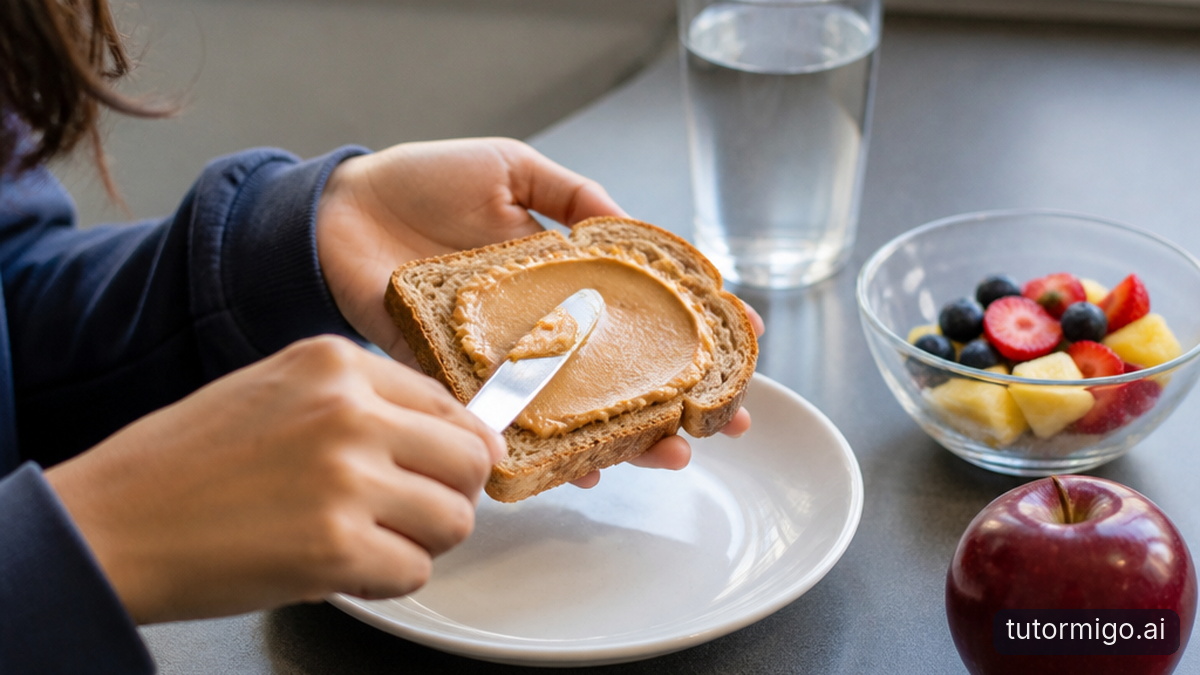
Before a longer study session, choose a familiar meal containing carbohydrates, protein and some fibre. Carbohydrate foods provide energy; protein and fibre can help a meal feel satisfying. You might have oats with plain yoghurt and fruit, wholegrain toast with eggs and tomatoes, or rice with beans and frozen vegetables. There is no need for expensive ingredients.
Timing depends on your appetite and schedule, not a universal countdown. If possible, eat with enough time to settle comfortably before you start. A substantial meal might suit you an hour or two beforehand; a smaller snack may be more comfortable closer to studying. If a large lunch leaves you sluggish, try a smaller portion and save something for later.
Skipping meals can backfire when hunger becomes the loudest thing in the room. You may feel irritable, develop a headache or find yourself repeatedly leaving your desk for food. These experiences do not automatically mean your blood sugar has become dangerously low; ordinary hunger and inadequate intake can be distracting without that explanation.
For an evening session after work or classes, decide on dinner before opening your notes. Leftover lentil soup with bread is a perfectly useful pre-study meal. If you have diabetes or another condition affecting meal timing, follow your clinician’s guidance rather than experimenting with skipped meals.
Affordable Study Snacks That Combine Protein, Fibre and Carbs: Oats with Yoghurt, Fruit with Nuts and More
A useful snack bridges the gap between meals without leaving you uncomfortably full. Build it from a carbohydrate source, a protein source and something providing fibre. Those categories overlap: oats contain carbohydrate and fibre, while beans supply all three. You do not need to calculate nutrients or make every snack nutritionally perfect.
Oats with yoghurt are an easy starting point. Stir a few spoonfuls of oats into plain yoghurt, add chopped apple or frozen berries, and let the oats soften if you prefer. The oats and fruit provide carbohydrate and fibre; the yoghurt contributes protein. Choose a protein-containing fortified alternative if you avoid dairy, since plant-based yoghurts vary considerably.
Fruit with nuts is another portable option: try a banana with peanuts or an apple with peanut butter. Nuts supply some protein, fat and fibre, although a small handful is not a particularly large protein serving. For a more substantial snack, add yoghurt or choose wholegrain toast with peanut butter and sliced fruit.
Other affordable healthy study snacks include hummus with wholegrain crackers and carrots, or an egg with wholegrain toast and a piece of fruit. Compare unit prices, use seasonal produce and portion snacks before studying. Keep yoghurt, eggs and other perishable foods refrigerated. If nuts are unsuitable because of allergies, beans, hummus or a tolerated seed spread offer alternatives.
Keep Water Nearby: Practical Hydration Habits for Study Sessions
Thirst is an easily overlooked interruption. You might keep postponing a drink because you want to finish a page, then realise you’re uncomfortable and have a headache. Inadequate hydration can affect how you feel and, in some circumstances, attention. However, drinking extra water beyond your needs is not a proven shortcut to better thinking.
Make drinking convenient rather than complicated. Fill a glass or bottle before you sit down and place it within reach, away from papers and electrical equipment. Take a drink when you’re thirsty and check in during natural breaks. If you often forget, pair drinking with something you already do, such as getting up to stretch.
There is no single bottle target that suits everyone. Your needs vary with body size, activity, weather, food and health. Thirst and generally pale-yellow urine can provide rough guidance, although medicines, supplements and some conditions affect urine colour. Avoid forcing large amounts of water, and follow medical advice if you have a fluid restriction.
Plain water is inexpensive and usually sufficient for studying at a desk. Unsweetened drinks and water-rich foods also contribute to fluid intake; sports drinks are generally unnecessary for a routine study session. If you dislike plain water, try it chilled or add a slice of lemon. The practical benefit is removing thirst as a distraction, not chasing a hydration “hack”.
Caffeine and Concentration: When a Short-Term Lift Can Cost You Sleep
Caffeine can temporarily increase alertness, but more is not necessarily better. A coffee may help you feel less sleepy, while another leaves you shaky, anxious or uncomfortable. Sensitivity varies, and caffeine content differs widely between drinks and serving sizes. Notice your response rather than assuming someone else’s routine will suit you.
The bigger trade-off often arrives at bedtime. Caffeine can remain active for several hours, so an afternoon or evening drink may delay sleep even after its obvious lift has faded. If you struggle to fall asleep, try moving your last caffeinated drink earlier. Some people need to stop well before the evening; there is no cutoff that works for everyone.
Caffeine also does not replace a meal. Coffee instead of lunch may leave you both hungry and overstimulated when you finally sit down to revise. If you’ve skipped food, address that first. Energy drinks are not a necessary study aid, and combining multiple caffeine sources can make your total intake easy to underestimate.
If you’re an adult who already uses caffeine, keep it modest and avoid using it to extend studying at the expense of sleep. Younger students should not take adult coffee habits as a recommendation; energy drinks are unsuitable for children and adolescents. Seek individual advice if you’re pregnant, take interacting medicines or experience palpitations or persistent anxiety.
Your Next Study Session: Plan One Balanced Meal, Prepare a Snack and Set Out Water
Keep your next step small enough to do today. Choose one balanced pre-study meal using food you already have. That could be oats with yoghurt and banana before a morning session, or beans on wholegrain toast before evening reading. Pick something you enjoy and digest comfortably, rather than an unfamiliar food advertised as especially good for your brain.
Next, prepare one snack for when hunger appears. Put an apple and some peanuts in a container, or refrigerate a small bowl of yoghurt and oats. You do not have to eat it simply because it is there. Having it ready means you can respond to hunger without turning a short break into an extended search through the kitchen.
Finally, set out water and consider whether your usual caffeine timing could interfere with tonight’s sleep. After studying, notice what actually happened: were you hungry, thirsty, overly full or simply tired? Adjust one thing next time. A brief observation is more useful than judging yourself for failing to follow a supposedly perfect eating routine.
Once your meal, snack and water are ready, TutorMigo.ai’s spaced-repetition flashcards are an option if you want help organising what to review next. The foundation stays simple: meet your basic needs, then give the study task your attention.
Frequently asked questions
No single food reliably guarantees better focus. Regular, varied meals and enough fluid are more practical than relying on a particular “brain food”.
Try oats with plain yoghurt, a banana with peanuts, or wholegrain toast with hummus. Choose portions that satisfy hunger without making you uncomfortable.
No. Caffeine may temporarily increase alertness, but it does not replace food and can interfere with sleep. If you’re hungry, have a meal or snack.
Caffeine and Concentration: Protect Your Sleep
Caffeine can temporarily increase alertness, but it cannot turn an exhausted SAT prep session into effective learning. If you need another caffeinated drink just to finish a practice module, consider whether hunger, a late start or too little sleep is the problem you need to address.
The trade-off matters because caffeine can interfere with sleep, especially later in the day. Sensitivity varies, and effects can last for hours. Feeling able to fall asleep does not necessarily mean your sleep is unaffected. A late coffee followed by a tired morning can create a cycle that makes your next study session harder.
For teenagers, energy drinks are not an appropriate study aid. They can contain substantial caffeine, and products vary widely. Do not borrow someone else's caffeine routine or experiment with concentrated caffeine products before a practice test. If you already drink tea or coffee, discuss questions about caffeine with a parent or healthcare professional rather than treating more as better.
For tonight's session, try the simpler adjustment: eat if you are hungry, get water and choose one manageable task. Reviewing several missed questions carefully may be more useful than forcing a full timed section when you are struggling to stay awake.
Match Meals and Breaks to the SAT's Timing
The standard digital SAT includes a 64-minute Reading and Writing section and a 70-minute Math section, with a scheduled 10-minute break between them. Each section has two modules: 32 minutes per Reading and Writing module and 35 minutes per Math module. Approved accommodations can change your timing or breaks.
That structure gives you a practical way to rehearse eating and drinking without inventing a special test-day diet. Before a full practice test, have a familiar breakfast that normally leaves you comfortable. For example, try toast with eggs and fruit, or oats with yoghurt. Use the scheduled break for a small snack if you need one.
A banana and a tolerated nut or seed spread could work; so could crackers and another familiar food. The right choice is something you can store safely and eat comfortably within the break. Check current official test-day guidance about snacks, drinks and where you may consume them.
Do not interrupt every practice module for a kitchen trip. Use full simulations to learn whether your usual breakfast carries you comfortably to the break. If you become hungry, adjust the next rehearsal rather than assuming you need a supplement. Keep test-day food familiar; the morning of the SAT is not the time to try an unfamiliar energy drink or an unusually large breakfast.
Build Food Into Your SAT Practice Schedule
A study schedule is easier to follow when it fits around meals instead of competing with them. If you arrive home hungry, scheduling a timed module immediately may create avoidable friction. Have your usual snack, take a brief transition and then begin with a clearly defined task.
For example, you might eat after school, complete one 35-minute Math module and review selected mistakes before dinner. On another day, use a 32-minute Reading and Writing module followed by a shorter review. These are practice options, not a requirement to complete a timed module every day.
Keep shorter skill sessions separate from full test rehearsals. During an untimed review session, a brief stretch or drink break can be useful. During a simulation, follow the official section timing and scheduled break so that you practise the experience you will actually face. A timer-based study method should not replace SAT timing during these rehearsals.
Leave room for ordinary life, too. If dinner runs late, shorten the session rather than pushing studying deep into the night. This guide to starting smaller when you are tired offers a useful approach for low-energy evenings. Parents and tutors can help by agreeing on a realistic start time and keeping a familiar snack available, rather than monitoring every bite.
Review Mistakes Before Blaming Your Snack
A disappointing practice score does not prove that you ate the wrong food. Scores can vary with question difficulty, knowledge gaps, pacing, sleep and distractions. Nutrition is worth adjusting when hunger or discomfort repeatedly interrupts you, but it should not become an explanation for every missed question.
After a practice session, separate the academic problem from the physical context. For a missed Math question, ask whether you misunderstood the concept, made a calculation error or ran out of time. For Reading and Writing, check whether you misread the passage, missed a grammar rule or chose an answer without enough evidence.
Then add one brief observation about the session: perhaps you were hungry near the end, felt comfortably fed or became restless after a poor night's sleep. Avoid detailed calorie tracking or trying to assign a score increase to a particular breakfast. A simple note is enough to identify recurring obstacles.
If you repeatedly lose concentration before dinner, move the session or plan a snack. If you repeatedly miss the same question type while feeling comfortable, work on that skill. Review the reasoning, practise a few related questions and return to the topic later. Better preparation comes from responding to the actual pattern, not from searching for a food that promises higher scores.
Use a Repeatable Weekly Routine, Not a Food Experiment
Build your week around a few sessions you can realistically complete. One possible pattern is targeted Math practice early in the week, Reading and Writing practice another day, and a review session focused on recurring errors. Schedule full-length practice periodically when you have time both to take it and to examine the results.
Attach straightforward food arrangements to those sessions. Keep an affordable after-school snack available for weekday work. Before a weekend simulation, use the breakfast and break snack you are considering for test day. You do not need identical meals every day; you are checking comfort and practicality, not following a performance diet.
Change one practical detail at a time when something is not working. If you felt uncomfortably full, try a smaller familiar breakfast next time rather than changing the meal, caffeine intake and start time together. If you were thirsty, make water accessible within the relevant practice or testing rules.
Keep progress records equally simple. Record what you practised, what went wrong and what you will revisit. Whether you organise practice independently or use structured resources, the important part is connecting the next session to what you learned. No tracking method makes a particular snack responsible for score improvement; it should help you choose useful academic work.
Your Next Step: Rehearse One Comfortable Session
For your next SAT prep session, choose the task first: one timed module, a focused skill set or a review of previous mistakes. Decide when you will eat, have water available and remove obvious distractions. That is enough preparation; you do not need to overhaul your diet before opening your notes.
Afterward, ask two separate questions. Did hunger, thirst or discomfort interrupt you? And which academic skill needs attention next? If the session felt physically comfortable but the work was difficult, keep your food routine steady and address the learning gap. If hunger was distracting, make a practical adjustment before the next session.
Parents and tutors can support this without turning meals into another test. Offer choices, respect allergies and preferences, and avoid praising or criticising foods as if they determine intelligence. Persistent fatigue, dizziness, frequent headaches or concentration difficulties deserve a conversation with a healthcare professional rather than repeated dietary experiments.
The goal is a routine you can repeat: enough food, sensible hydration, protected sleep and practice that responds to your mistakes. If you want help organising the academic side, TutorMigo.ai offers structured SAT practice sets and progress tracking to support that next step.
Caffeine and Concentration: Protect Your Sleep
Caffeine can temporarily increase alertness, but it cannot turn an exhausted evening into effective SAT prep. If you need another caffeinated drink just to finish a practice set, the more useful question may be whether to stop, eat if you’re hungry, and protect tonight’s sleep instead.
The trade-off matters because caffeine can make it harder to fall asleep or reduce sleep quality, even when you no longer feel especially stimulated. Sensitivity varies, and effects can last for hours. A late-afternoon coffee before evening practice may leave you awake later, making tomorrow’s reading and problem-solving feel harder.
For teenagers, caffeine is not a recommended study strategy, and energy drinks are best avoided. They can contain substantial caffeine, sometimes alongside other stimulants. Coffee, tea, cola and some supplements also contribute caffeine, so switching products does not necessarily remove it. Ask a healthcare professional if you have questions about caffeine and your health or medicines.
Instead of pushing through another module, give yourself a stopping point. If you’re repeatedly losing your place, record the next task and return when rested. A parent or tutor can support that boundary without framing it as laziness. Food, caffeine and determination cannot substitute for the sleep you need to learn.
Match Food and Breaks to the SAT’s Actual Timing
A useful study routine should prepare you for the test you will actually take. The standard digital SAT includes 64 minutes of Reading and Writing, followed by a 10-minute break, then 70 minutes of Math. Each section has two modules: 32 minutes each for Reading and Writing and 35 minutes each for Math. Approved accommodations can change your schedule.
That structure gives you a practical way to rehearse comfort as well as pacing. Before a full-length practice test, eat a familiar breakfast that usually keeps you satisfied. You might choose toast with eggs and fruit or oats with yoghurt. Avoid making the practice morning an experiment with a huge meal or a new supplement.
Use the scheduled break to stand up, visit the bathroom if needed, and have water or a small snack if you want one. Check current test-day rules about where food and drinks can be kept and consumed. Don’t assume you can snack throughout the modules.
For shorter sessions, there is no need to recreate an entire test morning. A single timed module after your usual meal can be enough. The aim is to discover manageable routines before test day, not to find a supposedly perfect breakfast that guarantees a higher score.
Separate Physical Discomfort From Skill Gaps
When practice goes badly, avoid assuming either that your snack failed or that you are simply bad at the SAT. Hunger, thirst and tiredness can interrupt work, but missed questions also reveal specific learning needs. Those explanations need different responses. Eating can address hunger; it will not teach you how to identify a sentence boundary.
After a timed module, take a short break before reviewing. Then classify each missed or guessed question in plain language: misunderstood the concept, misread the question, ran out of time, or could not explain the answer confidently. Separately note any obvious discomfort, such as skipping lunch or feeling unusually sleepy.
For example, suppose you miss several Reading and Writing questions about transitions. Even if you were hungry, review the relationship between the surrounding ideas and explain why each wrong option fails. At your next session, try a fresh set on the same skill after eating normally. That gives you more useful information than changing three foods and hoping for improvement.
In Math, redo a missed problem without looking at the solution first, then check the reasoning. Track whether you can solve a similar problem later. Score improvement comes from correcting repeatable errors, not treating every disappointing result as evidence that you need a different food.
Build a Weekly Schedule Around Real Mealtimes
Your best SAT prep schedule is one you can repeat without regularly sacrificing dinner or sleep. Start with the times you actually have available, including travel, schoolwork and family commitments. Then attach a clear task to each study window. “Review punctuation errors for half an hour” is easier to begin than “get better at English.”
For example, use Monday for a short Reading and Writing practice set followed by answer review. On Wednesday, work through a Math topic that caused trouble. On Friday, retry selected missed questions without notes. Eat your usual meals around those sessions, adding a snack when the gap between meals leaves you hungry.
Reserve an occasional weekend morning for full-length practice under realistic timing. Allow review time later rather than rushing through explanations while tired. If a full test does not fit this week, complete a timed module and review it properly. Longer practice is not automatically better practice.
Parents and tutors can help by asking what the session will cover and when it will end, rather than monitoring every bite or minute. Keep inexpensive options available, but let appetite guide portions. A stable routine should reduce decisions and conflict—not create another set of rules about earning food or studying until you are exhausted.
Rehearse Test Morning Without Chasing a Perfect Menu
Use at least one practice morning to test the ordinary logistics: waking up, eating, getting ready and beginning on time. Choose foods you already tolerate. If nerves reduce your appetite, a smaller familiar breakfast may be more comfortable than forcing a large one. You can plan an allowed break-time snack rather than expecting breakfast to do everything.
Notice comfort, not just the practice score. Were you distracted by hunger before Math? Did you feel overly full during Reading and Writing? Was your drink inconveniently large? Make one modest adjustment next time, such as eating slightly earlier or packing a more substantial snack. One practice result cannot establish that a food improved your thinking.
Prepare food safely, too. A banana and wholegrain crackers are easy to transport; yoghurt or an egg needs appropriate chilling. Follow test-centre rules, consider allergies, and avoid sharing food. If you have diabetes, food allergies or another condition affecting meals, follow your care plan and check any arrangements you need in advance.
The evening before the SAT, prioritise a normal dinner, your required materials and a reasonable bedtime. There is little value in late-night cramming fuelled by unfamiliar drinks. Familiar choices reduce avoidable surprises, leaving your attention available for the questions rather than your stomach.
Your Next Step: Make One Practical Change
For your next study session, choose one nutrition adjustment and one learning task. You might eat dinner before starting, keep water nearby, and review the punctuation questions you missed yesterday. Write down when you will begin and stop. That is specific enough to act on without turning preparation into an elaborate lifestyle project.
Afterwards, check two things separately: whether you felt reasonably comfortable and whether you understood the material better. If you were still hungry, adjust the food available next time. If you still missed the same question type, change the practice or seek an explanation. Keeping those decisions separate prevents unrealistic expectations about “brain foods.”
Choose study support with the same realism. Paper notes and a simple error log may be sufficient if you can organise practice and review consistently. Structured practice sets and progress tracking can be useful if those are the parts you struggle to maintain. Neither approach replaces sleep, meals or thoughtful correction of mistakes.
If you want help organising that academic side, TutorMigo.ai offers structured SAT practice sets and progress tracking through its Exam Preparation feature. Whatever support you choose, start with the next manageable session—not a promise to overhaul everything before your next practice test.
Enjoyed this read?
Like, share, or comment below.



Comments
0Sign in required · respectful discussion · replies supported
Loading comments…