


Offering parent support when your child admits confusion
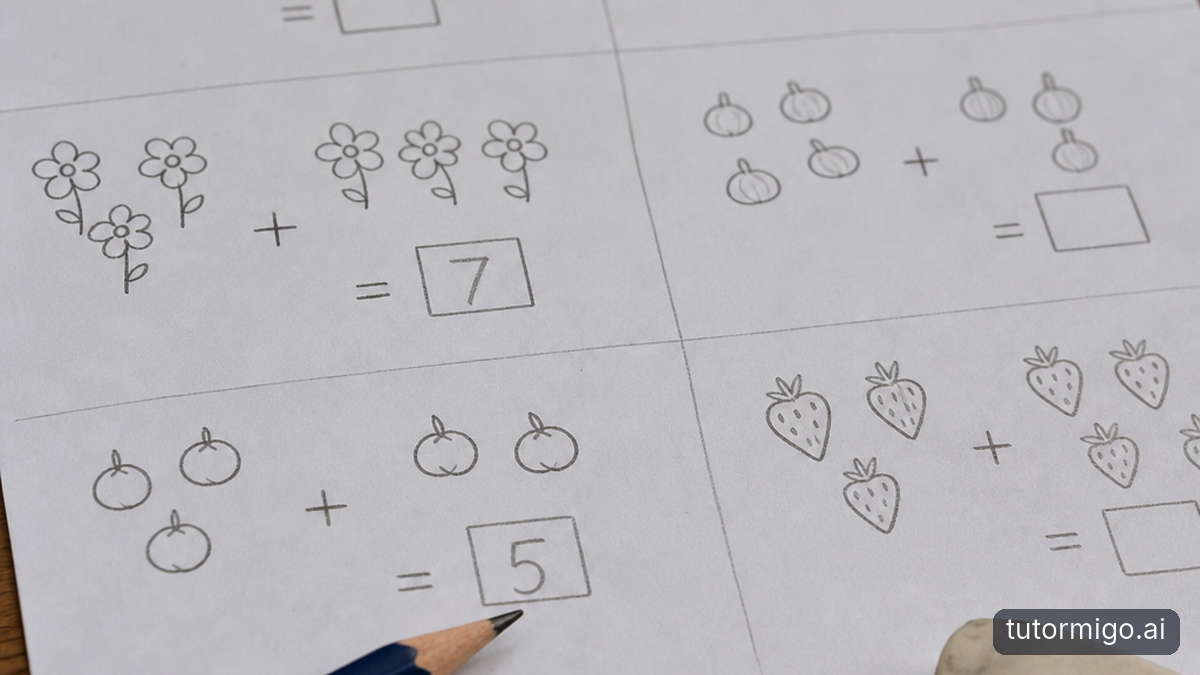
“Yes, I understand,” your child says, dropping their bag. Later, beside an unfinished worksheet, they whisper, “Actually, I don’t get it.” For parents who notice their child bringing home questions they held back in class, the first step is making it safe to ask again—not finding the perfect explanation.
That quiet admission deserves a calm welcome. Try: “Thanks for telling me. You don’t have to pretend it makes sense here.” Put down your phone if you can, and resist immediately asking why they didn’t speak up earlier. They may have worried about holding everyone up, attracting attention, or being the only person who was confused.
You don’t need to discover the reason straight away. Start with what they need now: “Would you like me to listen, look at it with you, or give you a little space first?”
If they say, “I thought I understood until I tried it,” answer, “That can happen. Trying something yourself can show you which part is still unclear.” You’re separating confusion from failure. Your child can have listened carefully and still need another explanation. The useful message is simple: admitting uncertainty will bring support, not a lecture.
Invite Questions Without Interrogating: “Want to Talk About Anything That Didn’t Make Sense?”

A string of well-meant questions can feel like an inspection: “What did you learn? Did you understand it? Why didn’t you ask?” Instead, offer one invitation during an ordinary moment, perhaps while sharing a snack: “Want to talk about anything that didn’t make sense?” Then leave room for an answer.
If your child shrugs, avoid turning the invitation into a demand. “Nothing comes to mind? That’s fine. You can tell me later.” An invitation feels safer when saying “not now” is genuinely allowed.
Sometimes a broad question is hard to answer. Offer a small choice rather than more questions: “Was there a word that was confusing, or a step that went too quickly?” You can also let them show you a page instead of explaining everything aloud.
For example: “I don’t know how to explain what I don’t understand.” You might reply, “You don’t need the perfect question. Point to where it stopped making sense, and we’ll start there.” Follow their pointer rather than reviewing the whole assignment. This also helps you support homework without taking over: your child identifies the starting point, while you provide company and a manageable next step.
When Your Child Says “My Question Sounds Silly”: Reassure Without Dismissing
“It’s probably a silly question” may really mean, “Will you think less of me if I ask?” A quick “Don’t be silly!” can accidentally echo the very judgment your child fears. Instead, acknowledge the risk they feel: “It can be uncomfortable to ask when you think everyone else knows. I’m glad you’re telling me.”
Suppose your child whispers, “What does ‘compare’ actually mean? Everyone else started writing.” You could say, “That word can be unclear. Here, it means looking at how things are alike and different. Shall we look at what the question is asking you to compare?” Answer the question plainly, without surprise that they needed to ask.
Avoid reassurance you can’t guarantee, such as “Nobody would ever laugh.” Try something more dependable: “You deserve a respectful answer, even when a question feels basic.” If someone has laughed before, listen rather than arguing them out of their worry.
You can also say, “You can ask me quietly, write it down, or show me the confusing bit.” These options give your child control over how exposed they feel. The same approach supports making mistakes feel safe: respond to uncertainty with curiosity, not judgment.
Respond Patiently When Your Child Asks the Same Question Again
Hearing the same question repeatedly can test your patience, especially when you thought your explanation had landed. Before replying, pause long enough to soften your voice. “We already covered this” may be accurate, but it tells your child that asking again comes with a cost.
Try: “Yes, we can go over it again. Which part would you like to hear?” If they cannot identify a part, offer a starting point: “I’ll explain the first bit, and you can stop me wherever it gets confusing.” Repetition may mean that one detail is still unclear, not that they ignored everything you said.
For instance: “But why does the character leave?” You might answer, “The argument explains part of it. Let’s look at what happens just before they decide to go.” Return to the story together rather than asking your child to remember your earlier wording.
Patience does not mean pretending you have unlimited energy. If you’re becoming frustrated, say, “I want to answer kindly, and I’m getting tired. Let’s pause and come back after dinner.” Make that return specific and keep it. A reliable break is kinder than continuing with a sharp tone or an impatient sigh.
When Your First Explanation Doesn’t Help, Try a Different Way
If your child still looks lost, repeating the same words more slowly may not solve the problem. Treat the explanation as something you can adjust: “That way didn’t help enough. Let’s try another.” This keeps the difficulty from sounding like a fault in your child.
Suppose a worksheet asks them to identify the main idea of a paragraph. You explain it as “the most important point,” but that phrase doesn’t help. Try a familiar comparison: “If you told me what this paragraph was mostly about in one sentence, what would you say?” Then read a short paragraph together and offer your own attempt before asking for theirs.
You might switch from talking to drawing, use an everyday example, or work through one small example together. Change one thing at a time so your child isn’t juggling several new explanations at once.
Check gently: “Did that make it clearer, or should we try something else?” Avoid “See? Easy!” because it can make continued confusion harder to admit. And if you don’t understand either, say so: “I’m not sure yet. Let’s check the instructions together.” You can model asking for clarity without pretending to know every answer.
Respect Your Child’s Pace Without Pressuring Them to Understand
Silence after an explanation is not automatically a request for more talking. Your child may be working out what they heard, deciding how to respond, or simply feeling tired. Give them a little quiet before offering another example. Avoid watching them expectantly while asking, “Got it now?”
Try: “Take your time. You can think about it before answering.” If they seem uncomfortable speaking, offer paper: “You could draw what you mean or mark the part that’s still unclear.” They do not have to demonstrate understanding immediately to earn your patience.
Respecting their pace also means noticing when the conversation is no longer useful. A child who is rubbing their eyes or getting upset may need a break rather than a better explanation. Say, “Let’s stop here for now. Would you rather look again after a snack or tomorrow morning?” Offer choices that are realistic for your household.
If they say, “I’ll never get this,” acknowledge the feeling without agreeing with the prediction: “It feels stuck right now. We don’t have to solve everything tonight.” For more language around that moment, explore responding when your child says they’re not good at something.
Try This Conversation Tonight: “What’s Something You Wanted to Ask in Class?”
Choose a quiet moment tonight when neither of you is rushing. You might sit together after dinner, without opening a worksheet first. Say, “What’s something you wanted to ask in class but didn’t? It’s okay if nothing comes to mind.” Keep your tone curious rather than concerned, and allow a pause.
If your child offers a question, respond first to their willingness to share: “Thanks for telling me.” Then ask, “Would you like us to think about it together, or did you just want me to hear it?” That small choice keeps the conversation from becoming an unexpected lesson.
Your exchange might sound like this: “I didn’t understand why we had to explain our answer.” “That makes sense to ask. Want to show me the question?” “Maybe later.” “Okay. We can look later, and you can ask again even if we’ve talked about it before.”
If you later want another place to explore a question together, TutorMigo.ai offers a personal tutoring workspace with chat and session history. For tonight, though, there’s no need to add anything: a calm invitation, an unhurried response, and permission to return to the question are enough to begin.
Frequently asked questions
Accept the answer without pressing. Let them know they can bring up a question later, and respond warmly when they do.
Say so plainly. Read the instructions together or help your child prepare a specific question to take back to their teacher.
Yes, without making it a test of confidence. Ask what would feel manageable, such as writing the question down or speaking to the teacher privately.
Related reading
Enjoyed this read?
Like, share, or comment below.



Comments
0Sign in required · respectful discussion · replies supported
Loading comments…