


When Phones, Noise, and Clutter Disrupt Reading Corners
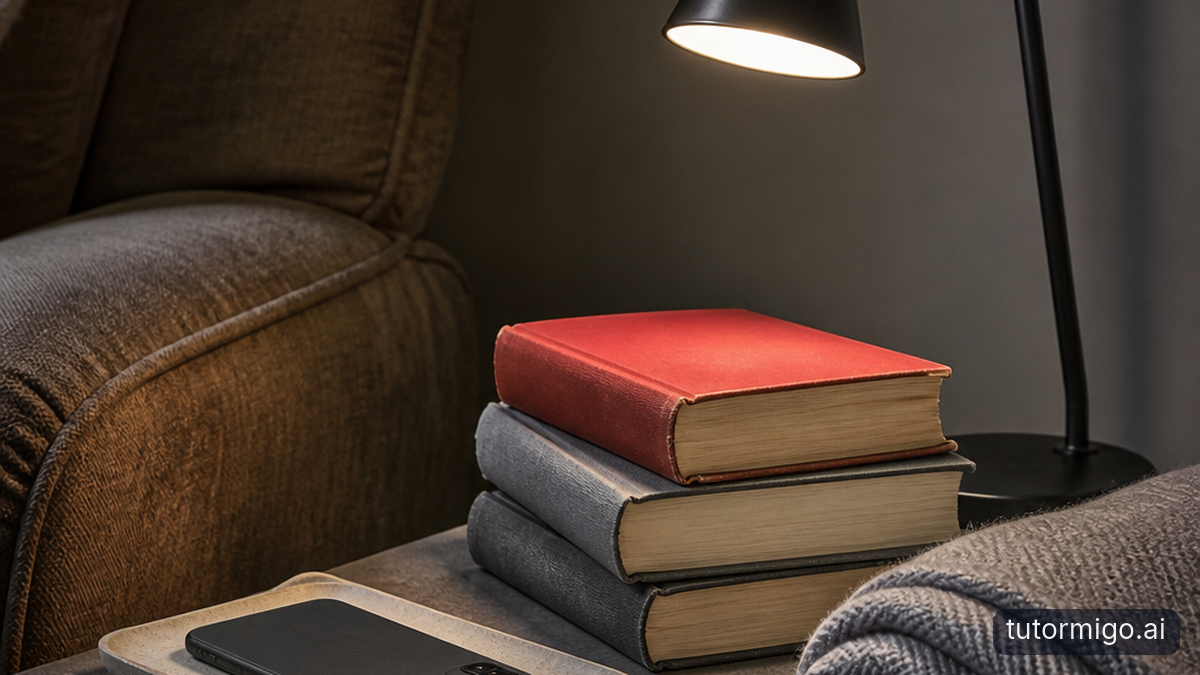
You finally open a book, then your phone buzzes, someone turns up the television, and a pile of laundry catches your eye. A reading retreat does not need a spare room or new furniture: start with a quiet corner, a comfortable seat, useful light, and somewhere else to leave your phone.
The aim is to remove the little reasons you keep getting up. If the lamp switch is out of reach, the chair makes your back ache, or your current book disappears beneath the mail, settling in becomes another task. Fixing those small irritations matters more than choosing matching cushions or making the space look impressive.
Think about the last time you enjoyed reading at home. Perhaps you curled into an armchair before everyone woke up, or shared a picture book on the sofa after dinner. Use that experience as your starting point. You are making a familiar kind of comfort easier to repeat, not designing an entirely new room.
Keep the first version modest: one seat, one light, and a handful of books. A corner that takes a minute to straighten is more inviting than an elaborate nook that becomes another place to manage. Let actual reading, rather than decorating, tell you what the space needs next.
Find an Underused Corner Away From Foot Traffic and Distractions
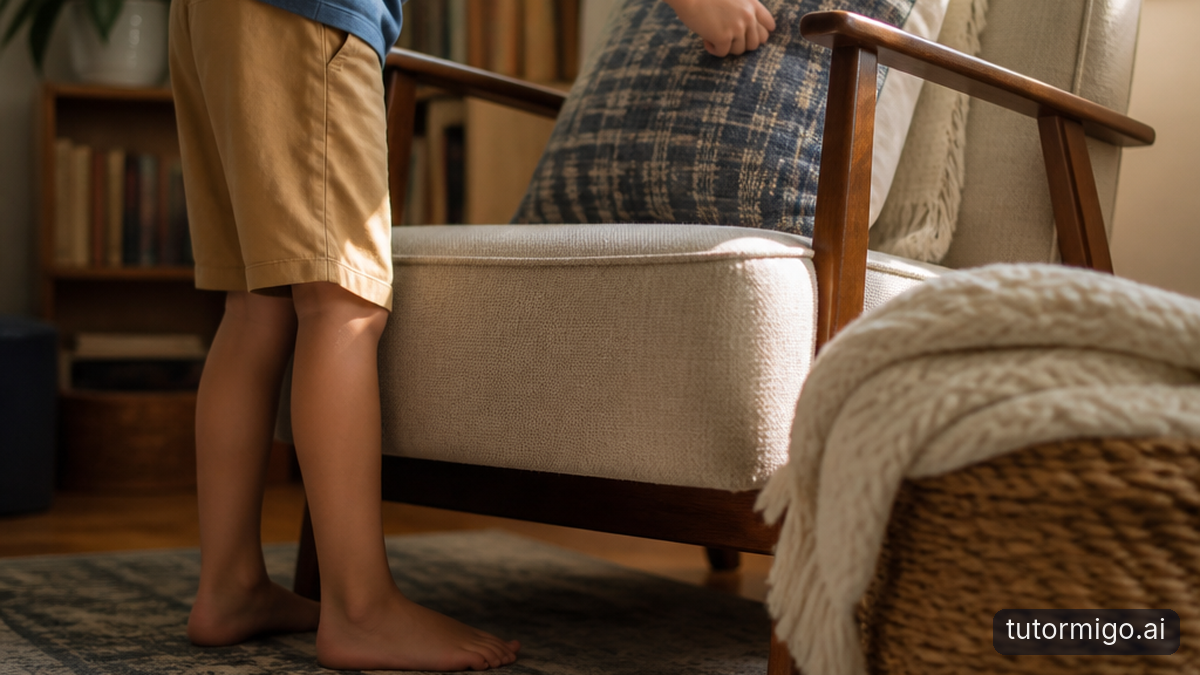
Walk around your home at the time you are most likely to read. A sunny breakfast corner may be lovely in the morning but sit directly beside dinner preparations in the evening. Look for somewhere outside the main route between doors, the kitchen, and the bathroom. The unused end of a bedroom or a living-room corner facing away from the television can work.
Test a spot before moving furniture. Sit there with a book for a few minutes and notice what interrupts you. Can you hear every word from the television? Does someone need to squeeze past your knees? Are you looking straight at a laundry pile? Moving a chair to the other side of a room may solve more than adding accessories would.
A corner does not have to be silent or completely separate. Turning a chair toward a wall or window can put busy household movement behind you. An existing rug may soften footsteps, while closing a nearby door can reduce some noise. Keep exits and walkways clear, and avoid squeezing a seat into a passage simply because the dimensions seem to fit.
For younger children, choose a spot where an adult can remain nearby. A quiet edge of the shared living room may be more welcoming than an isolated bedroom. Try the location for an evening before deciding it is permanent.
Pair a Chair You Already Own With Comfortable Support and a Warm Reading Lamp
Start by borrowing a chair from elsewhere in the house. Comfort depends on how it supports you, not whether it was sold as a reading chair. Sit with your back supported and your shoulders relaxed. If your feet dangle, try a stable footstool you already own. A small cushion behind your lower back may make an ordinary armchair more comfortable.
Test the position with an actual book. You should not have to hunch forward or hold your arms awkwardly to see the page. A cushion on your lap can support a heavier hardback. For a child, a low chair or a firm floor cushion against a supportive surface may suit better than a deep adult seat. Keep blankets optional rather than piling them everywhere.
Place a shaded lamp beside and slightly behind your shoulder so light reaches the pages without shining into your eyes. A warm-white bulb can make the corner feel welcoming, but check that it provides enough light to read comfortably. If you lean toward the page, adjust the lamp or try a brighter bulb within the fixture's rated limit.
Check the arrangement after dark, when window light is gone. Reposition the lamp if glossy pages reflect an uncomfortable glare. Keep cords out of walking routes, use a stable lamp, and make sure children cannot pull it down. Leave fabric clear of the bulb and shade.
Keep a Few Books Within Reach Without Creating More Clutter
Give the nook a small working collection, not your entire library. A basket beside the chair might hold your current novel, a book of short stories, and a few picture books. The right amount is whatever you can browse without emptying the container onto the floor. Leave enough room to put a book back easily.
Use storage you already have: a sturdy magazine holder, an open crate with smooth edges, or one shelf within comfortable reach. For children, a low basket makes choosing possible without climbing or asking for help. Keep heavy books low, and secure any furniture that could tip. Avoid tall floor stacks that slide when someone pulls out the bottom book.
Give the current read a reliable home. It could sit on top of the basket with a bookmark inside, ready for the next visit. Keep drinks on a stable surface away from the books, if there is room, rather than adding a table that blocks the walkway. Remove unrelated toys, receipts, chargers, and mail before they become permanent residents.
Refresh the selection when interest fades, rather than buying more storage. Let children choose which books stay; familiar rereads belong here too. For more family-focused suggestions, these ideas for making reading at home inviting offer a useful companion to the physical setup.
Put a Phone Basket Outside the Nook and Set Simple Interruption Boundaries
Put a small phone basket outside the reading corner, not on the chair's arm. Distance adds a useful pause between noticing the urge to check and actually picking up the device. Silence nonessential notifications before sitting down. If you need to remain reachable for something urgent, use your phone's settings to allow selected contacts through and test that arrangement first.
Keep the boundary simple enough for everyone to follow. You might say, “When someone is reading here, ask whether it can wait.” Agree on exceptions for safety, genuine help, and anything that cannot reasonably be postponed. The nook is a place for fewer interruptions, not a rule that makes someone unavailable to the household.
For children, make the agreement shared rather than one-sided. If you ask them to leave a tablet outside, park your own phone too. Start with a short, comfortable visit instead of insisting on a long session. A child who wants to show you a funny illustration is enjoying the book, not necessarily disrupting the retreat. Leave room for that kind of conversation.
Handle predictable noise with a small agreement: lower the television during a reading break, or choose a time when the loudest household activity has finished. Avoid turning quiet into another source of conflict. If the room becomes busy, you can pause and return later; the corner does not have to work perfectly every time.
Your Afternoon Setup Checklist for a Cozy, Low-Tech Reading Corner
Set aside an afternoon to try the arrangement, not to shop for it. Begin by clearing one candidate corner and finding another home for anything that does not belong there. Move in your chosen seat, add the support you need, and position an existing lamp. Keep the arrangement easy to undo until you know the location works.
Next, gather a small selection of books and choose their container. Put the current read where you can reach it without standing, then place the phone basket beyond the nook. Tell the people you live with what the corner is for and agree on a reasonable interruption boundary. If children will use it, invite them to choose a book and test the seat themselves.
Finish by reading there rather than taking a photograph and calling it done. Notice whether your feet feel supported, whether the light falls across the page, and whether getting in and out is easy. Make one adjustment at a time. You may discover that moving the lamp matters more than buying a cushion, or that a smaller book basket leaves the corner feeling calmer. Use this short checklist before you settle in:
- Clear a spot away from busy walkways.
- Test your existing chair and support.
- Check the lamp's position after dark.
- Keep a few books within reach.
- Park phones outside the nook.
- Open a book and try the space.
Frequently asked questions
Yes. Try an existing chair, a supportive cushion, a lamp, and a basket for books. Test the setup before buying anything.
Look for the quiet edge of a shared room or an unused bedroom corner. Keep doors and walkways clear, and face the seat away from distracting screens.
Keep only as many as you can browse and put away easily. Start with your current read and a few alternatives, then rotate them when you want a change.
Keep it outside the nook but within hearing distance. Silence routine notifications and allow essential contacts through using your phone's notification settings.
Related reading
Keep Interruption Rules Kind and Realistic
Some interruptions cannot reasonably be postponed. The point is to make ordinary requests less disruptive, not to make the person reading unavailable. A useful boundary tells everyone what can wait, how to get your attention when necessary, and when you will be ready to talk again.
For example, you might tell a partner, “I’m going to read until you finish your programme, then let’s sort out tomorrow.” With a child, make the arrangement concrete: “You can sit beside me with your book. If you need help, tell me.” Avoid promising uninterrupted time while you are also the only adult supervising something that needs attention.
Make the boundary work in both directions. If someone else is using the corner, save nonurgent questions rather than expecting them to stop immediately. A closed book or a bookmark slipped between the pages can signal that they are ready to talk. You do not need signs or elaborate household rules.
If your phone is also your reading device, adapt the setup instead of abandoning it. Download the book if needed, silence alerts, and open it before sitting down. The useful distinction is between reading and checking everything else, not between paper and screens.
Match Your Noise Fix to the Sound That Bothers You
Once you have tried the corner, identify the sound that actually pulls you out of a book. Understandable speech, a sudden television advert, and a steady appliance hum are different problems. Buying something to make the whole room quieter may be unnecessary if one small agreement would address the interruption.
If television dialogue is the problem, ask whether the viewer can lower the volume or use headphones for part of the evening. If that is not workable, try reading before the television goes on. A chair facing away from the screen may remove visual distraction, but it will not stop you hearing the conversation.
Some people find a fan or quiet background sound helpful; others find it becomes another thing to notice. Test what you already have before buying a sound machine. Keep the volume low rather than trying to overpower the household. Music with lyrics may be especially distracting when you are following a complicated passage.
Headphones are another option, but only when they fit your responsibilities. Avoid blocking out sound if you need to hear a child, a doorbell, or an alarm. Sometimes the most effective solution is simply choosing a quieter part of the day.
Let a Shared Corner Change With Its Reader
A reading corner in a shared room rarely belongs to one person all day. Make it easy to hand over rather than trying to preserve one perfect arrangement. An adult might use the armchair after dinner, while a child chooses the nearby floor cushion in the afternoon. Both can work without adding another piece of furniture.
Keep the adjustments simple. Put a spare support cushion in the book basket or on a nearby shelf, provided there is enough room. Choose a lamp position that works without being dragged across the floor every time someone sits down. If changing users means moving several objects and unplugging cables, simplify the setup.
For shared reading, test whether two people can see the pages comfortably. You might sit side by side on the sofa rather than squeeze into an armchair. A picture book spread across two laps needs different support from a paperback held by one reader. Let the activity determine the seat.
Give each regular reader a small, recognisable place for their current book. That could mean separate ends of a shelf, not separate storage units. Ask before moving someone’s bookmark or replacing their choices. A space feels welcoming when the next person can use it without undoing the last person’s arrangement.
Keep the Reset Smaller Than the Reading Session
The corner will collect everyday objects unless returning it to use is easy. Aim for a reset you can do as you leave: bookmark the book, return it to its place, take away your mug, and fold the blanket if you used one. There is no need to make the chair look untouched.
Notice which stray objects keep appearing. If letters land on the seat, the household may need a better place for incoming mail. If clothes pile up there, move the laundry basket closer to where people actually change. Repeated clutter often points to a nearby practical problem rather than a lack of tidiness.
Keep decorative extras only if they earn their place. A cushion that supports your back is useful; three that must be put on the floor before you sit down create work. The same applies to trays, ornaments, and baskets. Leave yourself somewhere to rest a hand or set down a book.
Occasionally check beneath and beside the chair for slipped bookmarks, dust, and trailing cords. Keep the lamp stable and its light unobstructed. These small checks help the space stay usable without turning it into another room that needs a special cleaning routine.
Make Returning Easy Without Turning Reading Into a Chore
A comfortable corner is more useful when there is an obvious moment to use it. Look for an existing pause: after breakfast, while another person takes a shower, or before you switch on the television. Choose a moment that already happens rather than designing an ideal evening your household rarely has.
Keep the invitation small. You can sit down for a few pages without committing to a chapter or a fixed amount of time. If you are tired, a short story, a familiar favourite, or a magazine may suit the evening better than a demanding novel. The corner does not have to be reserved for your most ambitious reading.
If you keep avoiding the book waiting there, consider whether the book is the obstacle. You may have lost interest, or it may not fit your current mood. Replace it, pause it, or return it to the shelf. Adding another lamp will not make an unwanted book more appealing.
On busy days, leave the space ready rather than treating a missed visit as failure. A book with its place marked and a chair free of bags offer an easy return tomorrow. The aim is a pleasant option within ordinary life, not another commitment to catch up on.
Try the Corner This Week, Then Change One Thing
Use the arrangement for several ordinary reading sessions before making further changes. Include an evening when the household is busy, not just a quiet afternoon. You are looking for a setup that works under familiar conditions, with the television on elsewhere, someone making tea, or people moving through the room.
After each visit, ask what made you get up or stop. Perhaps your drink had nowhere safe to sit, the lamp reflected off the page, or you kept hearing a conversation. Distinguish those practical interruptions from simply reaching a natural stopping point. Not every short session means the corner needs fixing.
Choose one adjustment that addresses the clearest problem. Move the lamp before replacing it. Try a different cushion before shopping for a chair. Agree on a quieter window before trying to rearrange the entire living room. Changing one thing at a time makes it easier to notice whether it helped.
Your next step can be small: clear the seat, put a book within reach, and try the corner tonight. Keep what feels comfortable and remove what creates extra work. A successful reading retreat does not need to look finished; it needs to be somewhere you are glad to sit down again.
Enjoyed this read?
Like, share, or comment below.



Comments
0Sign in required · respectful discussion · replies supported
Loading comments…