


Build learning confidence: address feelings first

“No, you’re brilliant!” comes from a loving place, but it can miss what your child is telling you. They are stuck, embarrassed or worried that struggling says something permanent about them. Start with the experience rather than arguing with their verdict: “That question felt really hard, and you’re disappointed.” You can recognise the feeling without agreeing that they lack ability.
Then make the problem more specific. If your child pushes away a reading task, try: “Is it finding the words, understanding what happened, or knowing what to write?” A broad label such as “bad at reading” offers nowhere to begin. “I lost track of who was speaking” gives you something you can work with together.
Offer a choice rather than launching into an explanation: “Would you like me to listen while you talk it through, or look at the first part with you?” If they are too upset to choose, pause. Being understood may need to come before being ready to learn.
Supportive encouragement sounds believable: “You haven’t worked this part out yet. We can find one place to start.” You are not promising an easy answer. You are showing that difficulty does not change how you see your child.
Make mistakes safe and frustration manageable
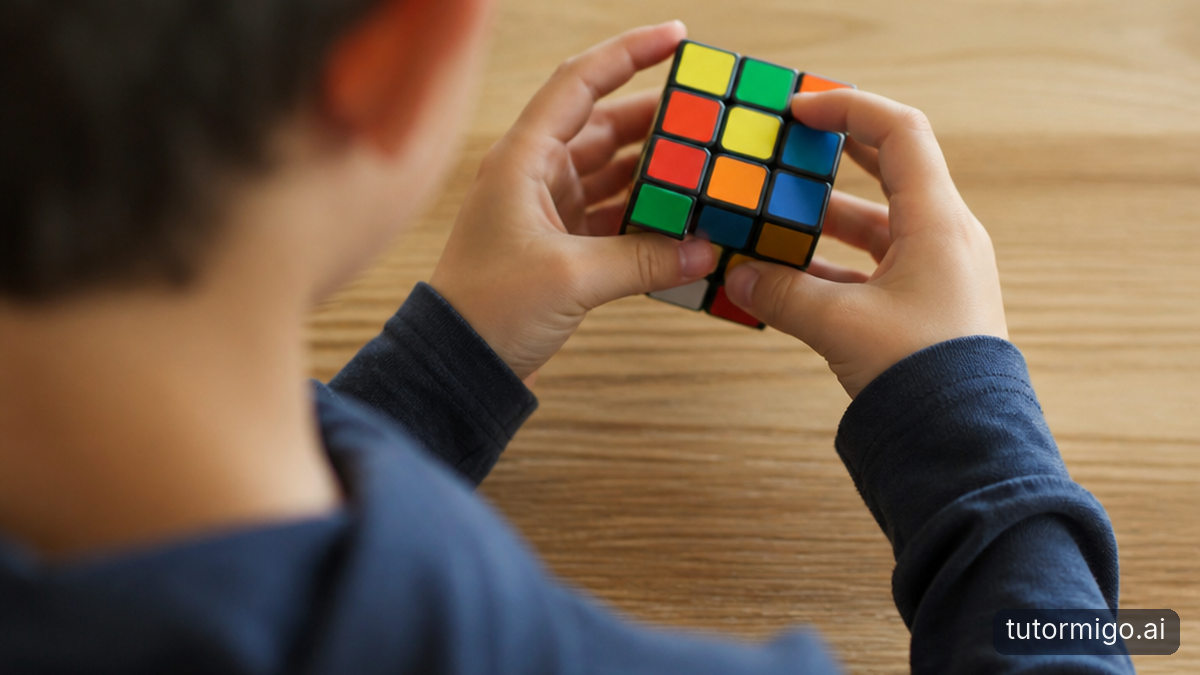
Your response to a wrong answer teaches your child what mistakes mean in your home. A sigh, a rapid correction or “We’ve done this already” can make an ordinary error feel like a disappointment. Instead, treat it as information: “Let’s see where your thinking changed.” Keep your tone as calm as you would when looking for a missing ingredient.
Suppose your child misreads an instruction and completes the wrong part. Rather than correcting the whole page, ask: “Which words tell us what to do?” Read the instruction together, then let them decide what needs changing. This makes checking a usable strategy, not a punishment for getting something wrong.
When frustration rises, more instruction may not help. You might say: “Your shoulders look tight. Shall we get some water and come back to this one question?” Keep the return small and clear. A break should offer relief, not carry a warning that they must perform better afterwards.
You can model a calm response to your own mistakes, too: “I missed that detail. I’ll reread before I try again.” For more ways to lower the emotional stakes, explore helping children feel safe enough to make mistakes. The aim is not to remove frustration, but to show that it can be handled.
Praise a useful strategy, not a fixed ability
“You’re so clever” may feel encouraging, but it does not tell your child what helped them succeed. Specific feedback gives them something they can repeat. Try: “You reread the question and spotted the detail you missed,” or “Drawing it helped you organise your thinking.” You are connecting progress to an action rather than a label they might worry about losing.
Be selective and accurate. If your child has spent a long time using an approach that is not working, “Great effort!” can sound hollow. A more useful response is: “You’ve stayed with this, but this method seems frustrating. Shall we look for another way?” Persistence matters, but so does knowing when to change direction.
Imagine your child finally writes a clear opening sentence. Instead of “You’re a natural writer,” say: “Saying your idea aloud first helped you choose what to write.” Then ask: “Would that help with the next sentence?” Praise becomes a bridge towards independent action, rather than just a moment of approval.
Not every success needs commentary. Sometimes a smile and “You worked that out” are enough. You can also ask, “What are you pleased with?” Give your child room to recognise their own success without needing your verdict every time.
Set a small goal, then gradually step back
“Finish your homework” can feel enormous to a child who expects to struggle. Choose a goal with a visible finish line: read one paragraph and explain its main point, plan the first sentence, or try one question using a familiar example. Ask, “What feels like a manageable first step?” If they cannot choose, offer two small options.
Make the goal about an action they can control, not a guaranteed result. “Check the instructions before asking for help” is more useful than “Get everything right.” Agree on what happens next: “After that paragraph, we’ll check how it went.” This keeps a small goal from quietly becoming an open-ended demand.
Reduce your help in stages. First, demonstrate a strategy while explaining your thinking. Next, invite your child to lead while you offer one prompt. Then ask them to try a similar task before checking in. For example: “Yesterday we picked out the important words together. Today, you choose them and tell me why.”
If they get stuck, move back one step rather than taking over completely. Ask, “Would a hint help, or shall we look at the example?” Gradual independence is not abandonment. It means keeping support available while giving your child more of the thinking to do.
Notice progress that grades cannot show
A grade captures a result, not every change that made learning more manageable. Your child may still make errors while becoming better at starting, checking, asking a precise question or returning after a break. Those changes matter because they give your child more ways to respond when work becomes difficult.
Look for comparisons with their own earlier habits. Perhaps last week they needed you beside them to begin, but today they opened the task independently. Say: “You got started while I was clearing the table. Last week, we needed to do that first part together.” This is a concrete observation, not a claim that everything is now easy.
Progress can also sound different. “I don’t understand the second instruction” is more useful than “I can’t do any of it.” Point that out gently: “You’ve identified exactly where you need help.” Likewise, correcting an answer without hiding it can show that a mistake is beginning to feel less threatening.
Invite your child’s view: “What felt a little easier? What still needs support?” They may notice something you missed. Avoid turning every session into an assessment of their confidence. A brief conversation or an occasional note of something they did differently is enough; they do not need another score to improve.
Try a short confidence-building routine this week
Choose three ordinary learning moments this week to practise a predictable routine. Keep it short enough that neither of you feels you are adding another assignment. Before starting, ask: “How is this feeling today?” Accept the answer without trying to replace it with a positive one. Then agree on one manageable action, such as reading the instructions together before your child starts.
During the task, use the least help that allows them to keep thinking. Wait before answering, offer a prompt if needed, and let them make the next move. If frustration takes over, pause and agree on a small return point. You might say: “Let’s stretch, then come back just to work out what the question is asking.”
Afterwards, name one specific observation and ask one question: “You checked the example without waiting for me. What helped you do that?” Let their answer guide the next session. If the goal was too large, make it smaller; if they managed comfortably, offer slightly less help next time.
Your aim this week is not a dramatic transformation. It is a few experiences of being understood, trying something manageable and noticing what helped. If you want a shared place to follow progress, TutorMigo.ai ’s Parent Dashboard offers parent visibility and co-learning features.
Frequently asked questions
Acknowledge the feeling first: “This feels frustrating.” Then narrow the problem: “Which part is getting tricky?” Offer a small next step rather than debating their ability or immediately doing the task.
Describe useful actions rather than demanding an outcome: “You checked your work and found the missing detail.” Ask what support they want, and avoid turning every success into an expectation to do more.
Look for starting with fewer reminders, asking more specific questions, trying another strategy, checking work or returning after frustration. Compare your child with their earlier habits, not with other children.
Give your child time to think, then ask whether a hint would help. If they cannot find a starting point, model one step and hand the next decision back. Reduce support gradually, not abruptly.
Related reading
Enjoyed this read?
Like, share, or comment below.



Comments
0Sign in required · respectful discussion · replies supported
Loading comments…