


Feeling Disconnected? Shared Experiences Can Bring You Closer

You can spend plenty of time with someone and still feel disconnected. When conversations become a loop of schedules, chores and quick updates, trying something unfamiliar together offers another way to connect. To learn together, you don’t need a big goal—just a shared interest, a manageable plan and room to be beginners.
The point isn’t to turn every relationship into a project. It’s to make space for moments that aren’t only about getting through the day. Making dumplings, identifying birds on a familiar walk or figuring out a dance step gives you something to notice and respond to together. You have a shared experience to talk about beyond who’s buying groceries.
For example, you and a friend might regularly meet for coffee but find yourselves repeating the same conversation. One weekend, you try sketching the buildings outside the café instead. The drawings may be wobbly, but comparing what caught your attention opens a different conversation. Neither person needs to be talented for the afternoon to feel worthwhile.
Keep expectations realistic: one enjoyable activity won’t resolve an ongoing conflict or replace an honest conversation. It can, however, create a low-pressure opportunity to enjoy each other’s company. Treat connection as the purpose and the finished result as a possible bonus.
Choose Something You Both Want to Try and Learn Together
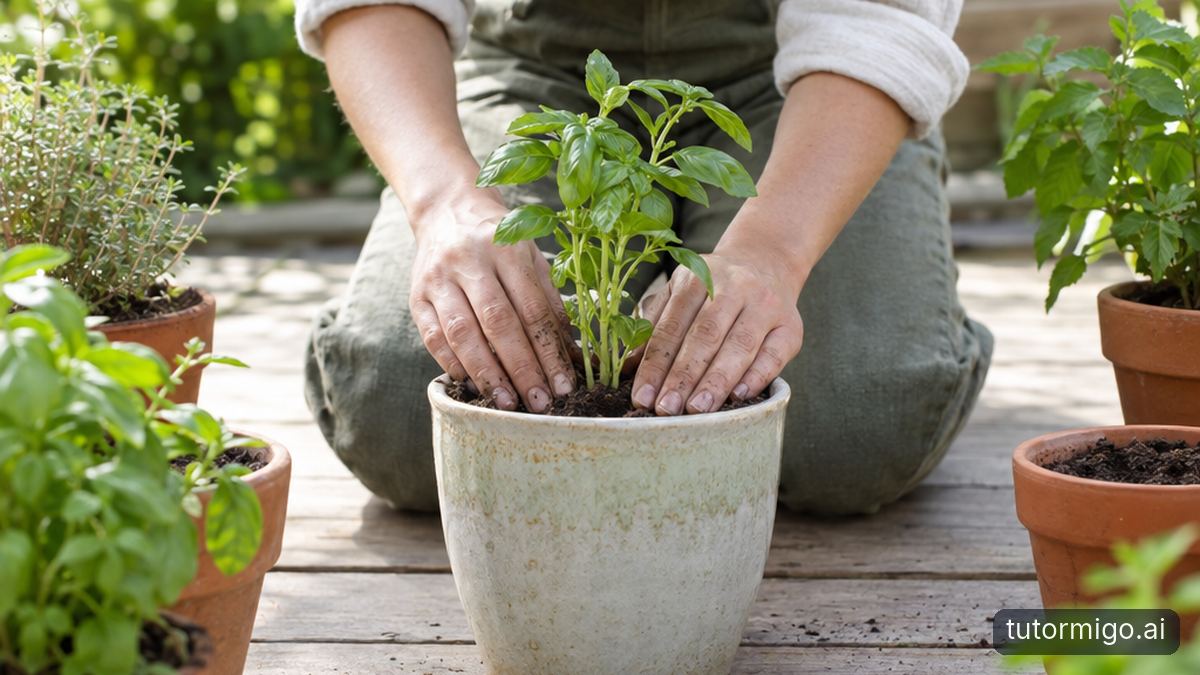
Start with curiosity rather than persuasion. Ask, “What have you wanted to try but haven’t got around to?” Each of you can suggest a few possibilities, then look for an overlap. Good options leave both people with something to discover: cooking an unfamiliar dish, growing herbs, trying a beginner dance session or exploring local walking routes.
Be specific about what appeals to you. “Let’s get outdoors” could mean a gentle stroll to one person and a demanding hike to the other. “Let’s take a short park walk and identify three birds” gives you a clearer starting point. Discuss cost, travel, physical comfort and equipment before committing, so nobody has to reveal an uncomfortable limit halfway through.
If your interests don’t overlap immediately, offer a small taste rather than a long commitment. Someone who enjoys photography might suggest a short photo walk instead of an all-day workshop. Their companion might be curious about noticing interesting light, even if camera settings hold little appeal. Both reasons for joining are valid.
A willing yes matters more than an impressive choice. You can alternate who suggests the activity, but neither person should owe participation in something they dislike. Choose an experiment you can both leave behind without guilt if it doesn’t suit you.
Make Time for Shared Experiences Without Overloading Your Schedule
A shared activity is easier to keep when it fits the life you already have. Before adding a weekly commitment, find one small opening: a quiet evening, part of a weekend morning or the time you already spend together. A short, repeatable experience is often more practical than a grand plan that requires constant rearranging.
Make the arrangement concrete enough to remove last-minute decisions. Instead of saying, “We should cook together sometime,” agree to make one unfamiliar soup on Sunday afternoon. Check what ingredients you have, decide who will get anything missing and include cleanup in the time available. Hidden preparation can turn a pleasant idea into extra work for one person.
Share that work deliberately. One person might choose the recipe while the other checks supplies; next time, swap. If one of you keeps organising, booking and reminding, the activity may begin to feel less like shared time and more like another responsibility. Ask whether the planning feels fair rather than assuming silence means agreement.
Have a smaller version ready for busy days. If a full cooking session becomes unrealistic, make a new salad dressing together over dinner. If either person is exhausted, postpone without turning it into a loyalty test. Protecting your time together also means respecting the energy you actually have.
Talk About What You Discover—and Listen Without Judging
You don’t need a formal conversation after every activity, but a little reflection can help you understand each other. Ask something specific: “Which part surprised you?” or “Would you want to do that again?” These questions leave more room for an honest answer than “That was fun, wasn’t it?” Noticing different experiences is part of the value.
Suppose you try making pottery together. You enjoy experimenting with shapes, while your companion feels frustrated because their bowl keeps collapsing. Saying, “Don’t be so negative,” dismisses their experience. A more useful response is, “That looked frustrating. Was it the technique, or did the whole activity feel wrong for you?” Let their answer stand before offering solutions.
Check before giving advice, especially when you spot an easy fix. “Would you like a suggestion, or do you want another try?” gives the other person a choice. Uninvited coaching can make an equal partnership feel like a performance review, even when your intention is helpful. Sometimes the kindest contribution is patience.
Share your own reactions without assigning motives. “I felt rushed when we moved on before I finished” is easier to discuss than “You always make everything competitive.” You’re trying to understand what happened and make the next experience better, not decide who approached it correctly.
Support Each Other When Progress, Interests or Confidence Differ
Starting together doesn’t mean progressing at the same pace. One person may pick up a movement quickly, feel comfortable asking questions or have relevant experience they hadn’t thought to mention. Avoid treating the difference as evidence that one of you is naturally suited to the activity and the other should give up.
Instead, make room for different goals within the same experience. On a photography walk, one person might experiment with manual settings while the other uses a phone to explore colour and composition. You can still choose a route together, compare favourite images and enjoy the walk. Sharing an activity doesn’t require identical tools or ambitions.
Offer encouragement that’s specific and free of comparison. “You kept adjusting until the dough felt right” recognises something real. “You’re almost as good as me” turns support into a ranking. When confidence is low, ask what would make the next attempt easier: more time, a simpler version, outside guidance or less attention while they try.
Interests can diverge, too. If you love dancing and your companion doesn’t, you can continue separately and choose another shared activity. Don’t make enthusiasm a measure of affection. Growing together includes allowing each other to have independent interests, change direction and say, “I’m glad we tried it, but it isn’t for me.”
Take Your Next Step: Plan One Small Shared Challenge This Week
Choose one person you’d like to spend more intentional time with and make a specific, low-pressure invitation. Try: “Would you like to make fresh pasta together on Saturday? We could keep it simple and use ingredients we already have.” A clear suggestion is easier to consider than a vague promise to do something different eventually.
Agree on the smallest version that would still feel worthwhile. That might be making one batch of dough, practising one dance sequence or planting one container of herbs. Set a comfortable time limit and spending limit together. You’re arranging an enjoyable experiment, not signing up for a new identity or a permanent weekend commitment.
Before you begin, name any preferences that could prevent friction. Perhaps you want to follow the instructions closely while your companion likes improvising. You might agree to follow the basic method first, then experiment if there’s time. Deciding this early is simpler than arguing over a half-finished recipe when you’re both hungry.
Afterwards, ask whether you’d like to repeat it, change something or try a different activity. All three answers are useful. Success might be a good meal, a funny mistake or discovering that you enjoy working side by side. Start small enough that the experience has room to be imperfect—and enjoyable enough that you both want another.
Frequently asked questions
Try cooking with ingredients you already have, sketching objects at home, identifying birds on a walk or practising basic dance steps. Choose something that doesn’t require buying equipment before you know whether you enjoy it.
Agree on whether advice is welcome and give each person their own goal. The more experienced person can explore a new variation without taking over the other person’s attempt.
Choose a frequency that feels comfortable for both of you. Start with one session, then decide whether you want another. A sustainable arrangement matters more than a packed calendar.
Try a short introduction to something you’re both at least curious about. If it doesn’t work, choose another option. You can maintain separate interests without treating the difference as a relationship problem.
Enjoyed this read?
Like, share, or comment below.


Comments
0Sign in required · respectful discussion · replies supported
Loading comments…