

When Lessons Feel Passive: How AI Games Make You an Active Learner
You can finish a lesson and still struggle to use what you learned. AI learning games can help by turning explanations into decisions: you try something, see what happens, and adjust. The useful shift is not from boring to flashy, but from watching information to actively working with it.
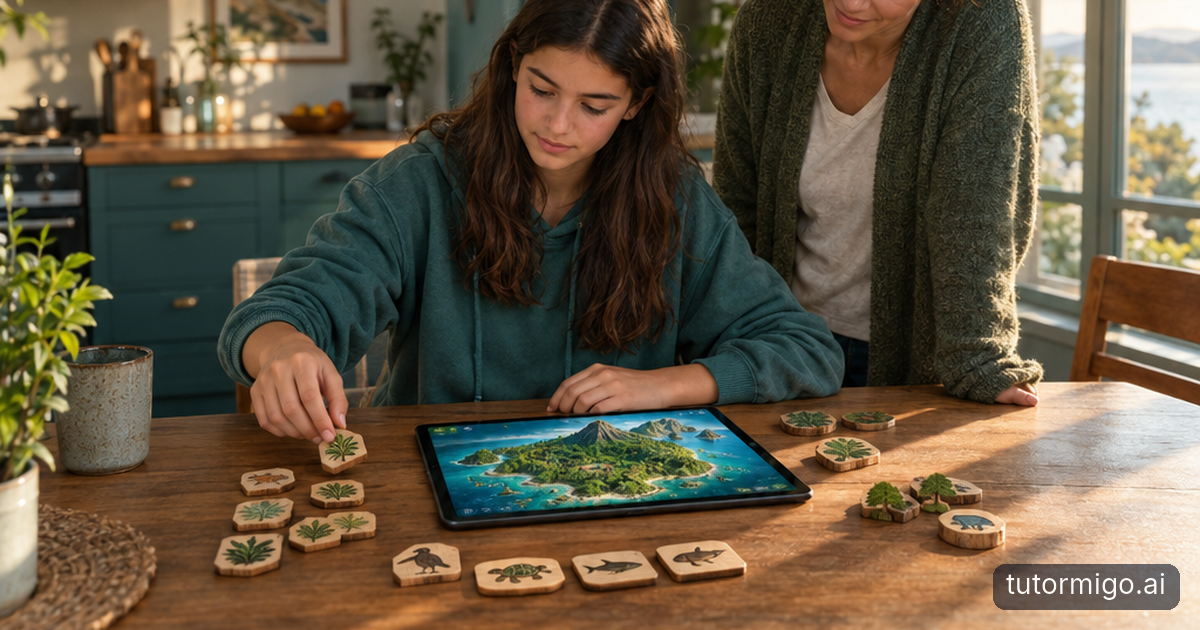
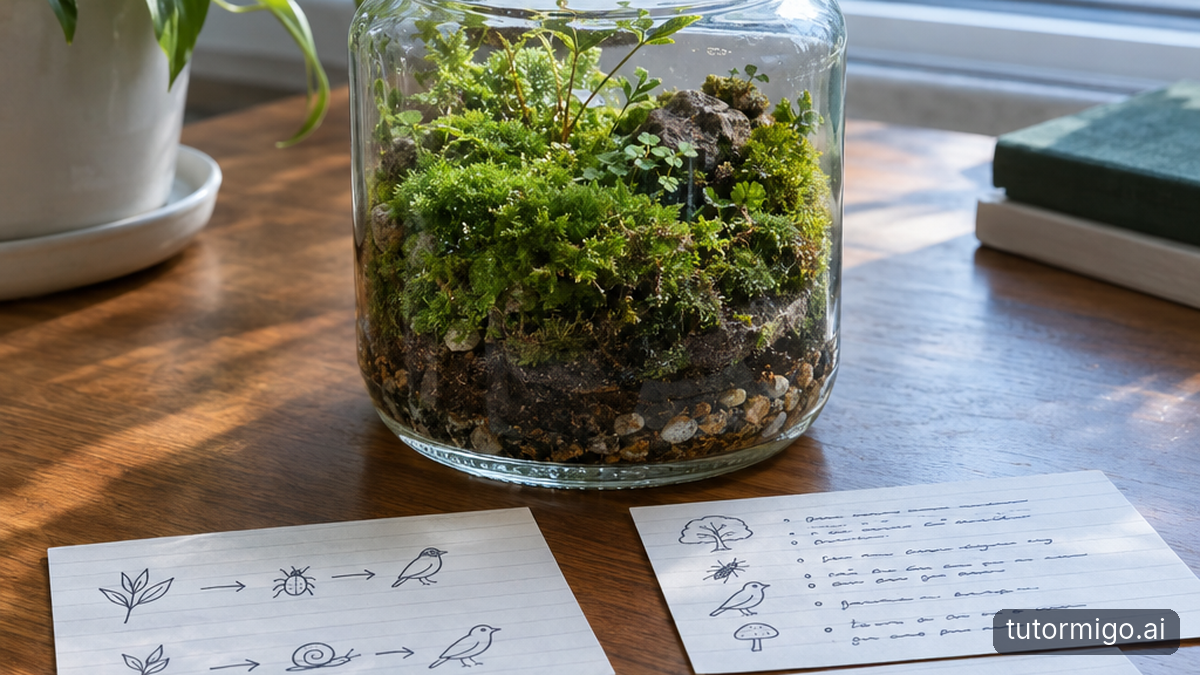
Imagine learning about ecosystems. Instead of only reading about food chains, you manage a virtual habitat. Introduce too many predators, and prey populations shrink. You then need to explain the change and choose a response. The game gives your knowledge a job to do.
AI can add responsive dialogue or challenges that react to your choices, but the learning comes from the task design. Look for games that ask you to predict, explain, and revise—not simply tap an answer quickly. Our guide to games that make study more interactive explores that distinction further.
How AI Games Personalize Challenges, Feedback, and Practice

A well-designed AI game can use your responses to adjust what happens next. If you repeatedly confuse equivalent fractions, it might offer a visual sharing puzzle before returning to a harder challenge. If you understand the idea, it can move on rather than making you repeat easy questions.
Useful feedback explains your reasoning error. In a language game, “Try again” tells you little. A hint explaining that your chosen phrase is too informal for the conversation gives you something specific to change. Ideally, the game lets you retry before revealing a complete answer.
Check how the system adapts, rather than assuming an AI label guarantees personalization. Does it respond to the kind of mistake you made, or only speed up after correct answers? Does it revisit an earlier difficulty later? AI-generated explanations can also be wrong, so check surprising claims against trusted learning materials.
Beyond Points and Badges: What Real Learning Looks Like
Points show what a game rewards; they do not automatically show what you understand. You might earn a high score by guessing, memorizing a pattern, or repeatedly requesting hints. Enjoyment matters because it can encourage practice, but engagement and learning are different outcomes.
After a round, close the game and test the underlying skill. If you managed a virtual habitat, explain why removing one species changed another population. Then apply the same idea to a different habitat. If your explanation only works with the game's pictures in front of you, you may need more practice.
Try another short check the next day. Can you recall the idea without prompts? Keep a simple note: what you attempted, what confused you, and what you can now explain independently. That record is more informative than a streak, especially when game scores reflect speed rather than understanding.
How to Choose AI Learning Games That Protect Privacy and Support Your Goals
Start with one learning goal, such as explaining food chains or choosing appropriate conversational phrases. Then check whether the game actually practices that skill. A colorful adventure with occasional unrelated questions may offer less useful practice than a simple game built around meaningful decisions.
Before signing up, read what information the service collects, how long it keeps it, and whether conversations are used to improve its systems. Check account deletion options and whether microphone access is optional. Avoid entering names, school details, or personal stories when invented examples will work. For children, check age requirements and involve a responsible adult.
Also look for adjustable sound, readable instructions, and a way to pause without losing progress. Be cautious about countdowns, public leaderboards, and rewards that pressure you to keep playing. Clear explanations and transparent privacy terms matter more than an impressive AI label.
Start Small: Try One AI Game and Check What You Learned
Choose one game and give it a short, planned trial—about fifteen minutes is enough to begin evaluating it. Before playing, write a question you want to answer. For an ecosystem game, that could be: “How does changing a predator population affect the rest of the habitat?”
During play, notice one mistake and what helped you correct it. Afterwards, put the screen away and answer your original question in your own words. Try a fresh example the next day. If you can explain more clearly without hints, the game may deserve a place alongside reading, discussion, and other practice.
If you're supporting a child and want to stay involved, TutorMigo.ai's Parent Dashboard offers visibility into their progress on the platform and learning controls—a useful starting point for conversations about what they can explain independently.
Frequently asked questions
No. Many use fixed questions and preset rules. AI may enable responsive dialogue or adaptive challenges, but either approach needs sound learning design.
Treat them as one practice option. Reading, discussion, direct explanation, and offline tasks help you build knowledge and check whether it transfers beyond the game.
Check whether you can explain the idea without hints, apply it to a new example, and remember it later. Scores alone cannot establish that.
Enjoyed this read?
Like, share, or comment below.



Comments
0Sign in required · respectful discussion · replies supported
Loading comments…