

Build playful learning around your child’s curiosity
If learning time brings sighs, bargaining, or wandering attention, you do not need to become a full-time entertainer. Making learning fun and engaging starts with curiosity, manageable challenges, and room to participate. Use your child’s interests, add simple play, and keep the pressure low enough for them to experiment.
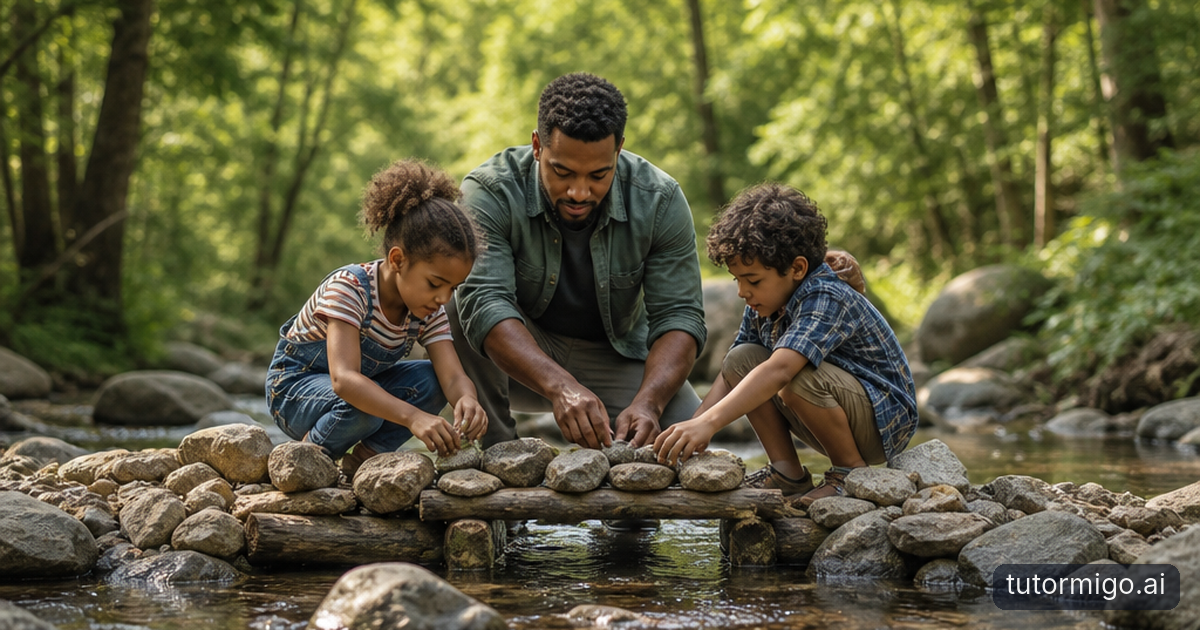
Before planning an activity, notice what your child already chooses. Perhaps they collect stones, invent stories about animals, or ask how vehicles work. These interests offer starting points for reading, comparing, observing, and explaining. You are not disguising every lesson as a favorite hobby; you are giving an unfamiliar idea a familiar doorway.
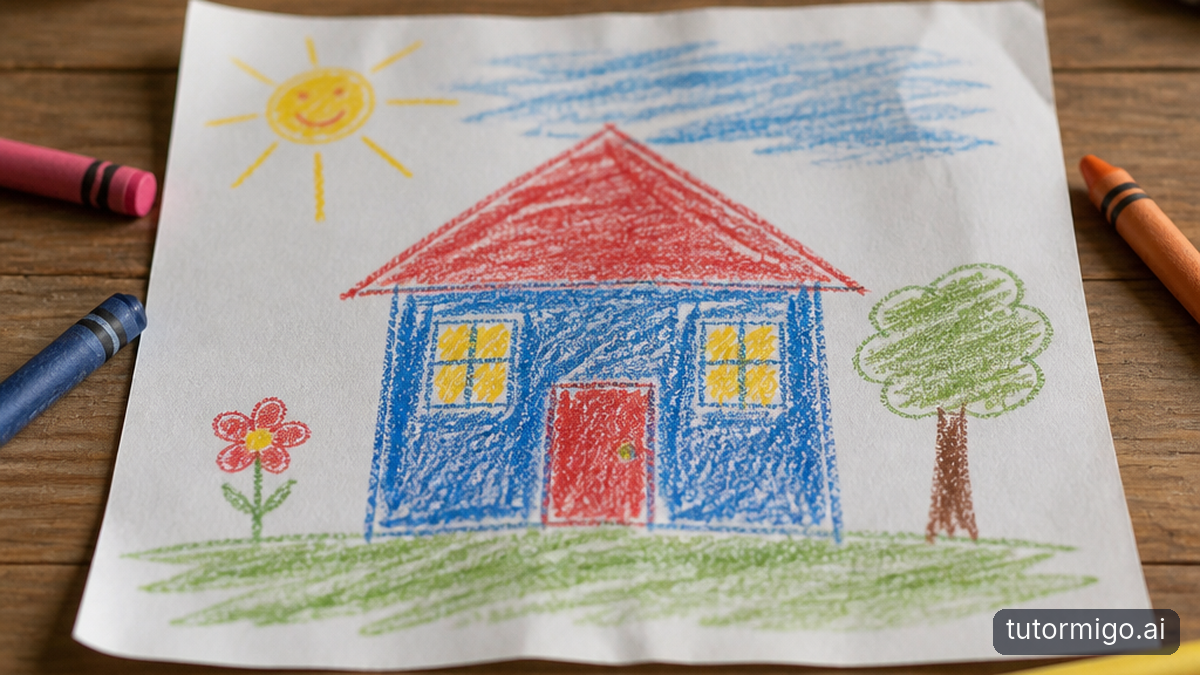
For a child fascinated by insects, take a short walk and look for different habitats. Ask where a beetle might hide and why. Back home, invite them to draw what they noticed or help you find information in a book. One question can connect observation, vocabulary, and reading without becoming a packed lesson plan.
Keep your questions genuinely open. “What do you notice?” usually invites more thinking than a string of questions with predetermined answers. If your child takes an unexpected direction, follow it briefly. Their own question may provide a better reason to learn than the activity you originally prepared.
Turn practice into purposeful play
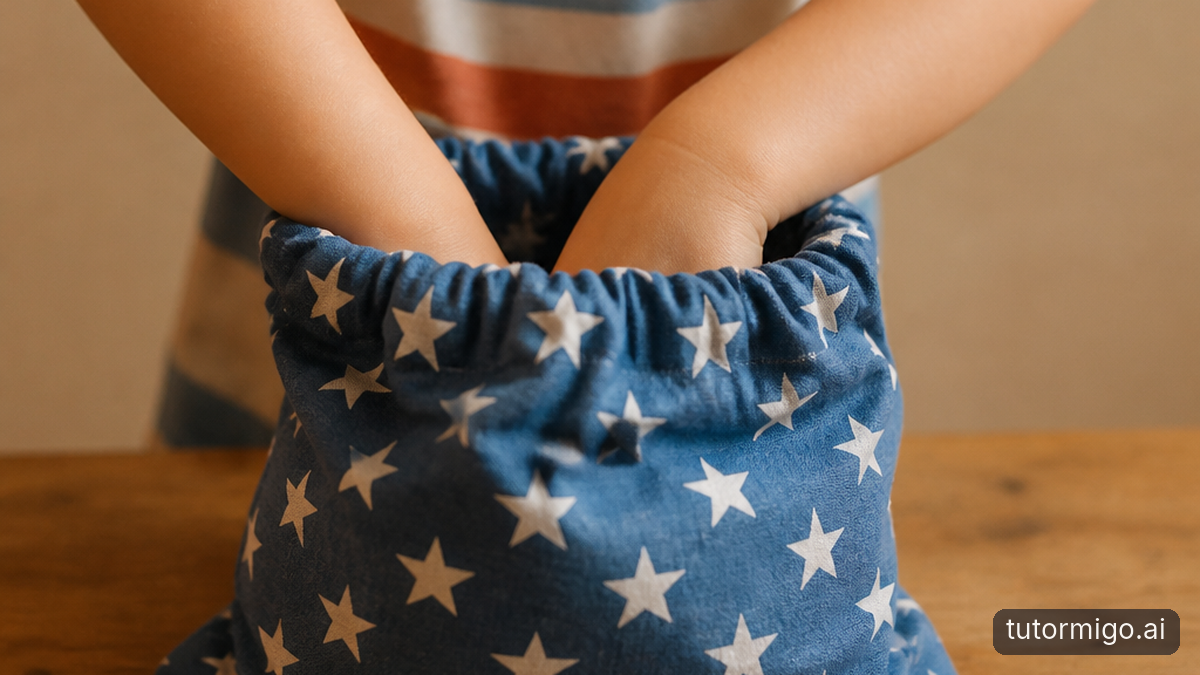
Play works best when the learning goal remains simple. Decide what you want your child to practice, then choose an activity that uses that skill naturally. If the goal is describing objects, a mystery bag gives them a reason to find precise words. If it is sorting, a collection of buttons or leaves provides real differences to discuss.
Try placing a familiar object inside a cloth bag. Let your child feel it without looking and describe its shape, texture, and possible purpose. Take turns guessing, then swap roles. Your deliberately imperfect description can prompt them to explain what information would make the clue more useful.
Movement can help, too. Put picture cards around the room and ask your child to find something that belongs in a kitchen or something that grows. Give them the chance to invent the next category. Keep pathways clear, and adapt the activity to seated pointing or reaching if that suits your child better.
The game does not need elaborate materials, scoring, or prizes. Notice whether your child is using the intended skill rather than focusing only on winning. If you want more low-preparation ideas, these parent-friendly ways to make learning fun offer additional starting points.
Offer choices and a manageable challenge
An activity can be playful and still feel frustrating if it is too difficult. Start with something your child can attempt independently, then add a small stretch. Watch their behavior rather than relying only on whether they get the answer right. Repeated guessing, going unusually quiet, or asking you to do everything may signal that they need support.
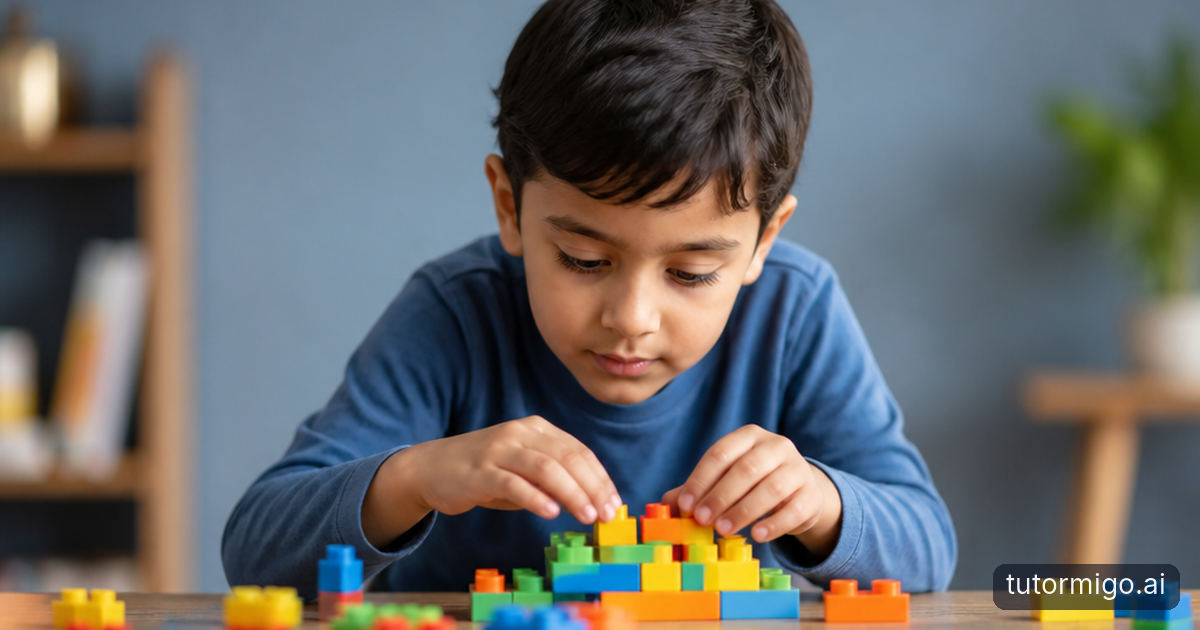
Imagine building a bridge from blocks. First, invite your child to make a bridge that holds one toy animal. Once it works, ask whether they can make it longer or hold another animal. Change one condition at a time. If it collapses, shorten the gap together instead of immediately supplying your own design.
Offer two meaningful choices within the task: “Would you like to draw your idea first or start building?” Both options support the same goal while giving your child some control. Avoid asking whether they want to practice if practice is not actually optional; offer an honest choice about how to begin instead.
Make the finish line visible. “Let’s test two designs and choose what to try next” feels more manageable than an open-ended demand to keep working. End while your child still has some energy, rather than stretching every successful activity until enthusiasm disappears.
Make it safe to try, explain, and get things wrong
Children are more willing to join in when mistakes do not feel like a public verdict on their ability. Sit beside your child, listen to their explanation, and leave a little thinking time before you respond. You can acknowledge frustration without removing every difficulty: “That part is tricky. Which piece could we look at first?”
Model what trying again looks like. While assembling a puzzle, say, “I thought this piece would fit because the colors matched, but the edge is different. I’ll look again.” You are showing a useful strategy, not performing helplessness or pretending that every mistake is exciting. Your calm response matters more than a motivational speech.
Keep feedback specific. Instead of relying on “You’re so smart,” describe what helped: “You checked the picture before trying another piece.” When something needs correcting, focus on the work. “This instruction asks us to sort by shape; let’s check this group” gives your child a next move without labeling them careless.
Cooperation can also reduce pressure. Take turns telling a story, solve a clue together, or ask your child to teach you a process they know. Avoid making every activity a race against a sibling. Shared discovery gives children room to contribute without needing to be the fastest.
Use short, varied practice in everyday life
You do not need to fill every afternoon with new activities. A brief, repeatable routine is often easier to maintain than an ambitious learning session. Choose a natural moment, such as after a snack, and begin with a small task. Adjust the length to your child’s attention and energy rather than treating a timer as a test of obedience.
Return to useful ideas on different days, but vary what your child does with them. After learning new animal vocabulary, they might match pictures, describe an animal for you to guess, and later use the words in a story. That variety gives them reasons to recall and apply the words instead of simply repeating them immediately after you.
Everyday tasks offer opportunities without extra equipment. When cooking, invite your child to predict what mixing ingredients will do. When putting away groceries, ask how they would organize the items and why. Leave space for their explanation, even when their system differs from yours.
Protect downtime as well. Not every walk, meal, or game needs a learning objective. If practice regularly ends in conflict, simplify the task and consider whether tiredness or confusing instructions are getting in the way. These ways to make learning easier for children can help you identify practical adjustments.
Choose one small change to try next
Start with the part of learning time that currently feels hardest. If getting started causes friction, offer a choice between two short activities. If your child loses interest halfway through, make the task smaller or add a hands-on element. If mistakes lead to tears, focus first on working together without scores or comparisons.
For your next session, choose one skill, one activity, and a clear stopping point. You might practice descriptive language with a mystery bag, take turns giving clues, and stop after each person has had several turns. Keep the materials nearby so preparation does not become the reason you postpone it.
Afterward, ask a useful question: “What would you keep or change next time?” Notice your own observations, too. Did your child begin more readily, explain an idea, or return after a mistake? Those small signs of participation tell you more than whether the session looked impressive. Repeat what worked before adding another idea.
If a digital option would help with brief review, TutorMigo.ai offers spaced-repetition flashcards with review scheduling. Use them alongside the conversations, games, and everyday experiences that make learning meaningful for your child.
Frequently asked questions
No. Some practice takes effort and may feel repetitive. Aim for a supportive experience with a clear purpose, manageable difficulty, and opportunities for your child to participate—not constant entertainment.
Try practical tasks, building, drawing, or conversation instead. Some children prefer a straightforward challenge to a game. Ask what they dislike and change one element rather than adding more excitement.
Use household objects, library books, spoken clues, and everyday routines. Sorting laundry, describing a hidden object, or retelling a familiar story can support useful practice with little preparation.
Explore TutorMigo
Enjoyed this read?
Like, share, or comment below.


Comments
0Sign in required · respectful discussion · replies supported
Loading comments…