

Understanding the IELTS Test Format and Band Scoring
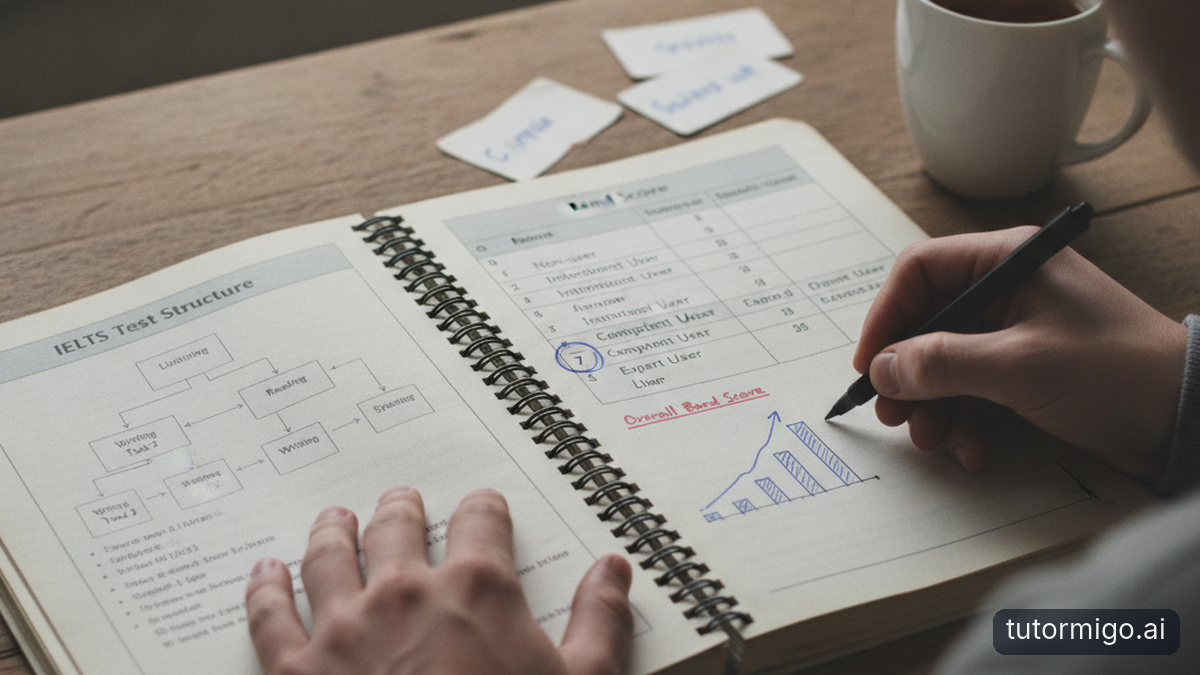
Embarking on your ielts preparation journey begins with a clear understanding of the test format and scoring criteria. The International English Language Testing System evaluates your English proficiency across four core sections: Listening, Reading, Writing, and Speaking. Each section contributes equally to your overall band score, which ranges from 1 (non-user) to 9 (expert user). Whether you are taking the Academic version for university admission or the General Training version for migration, recognizing how examiners calculate your score is essential for targeting your study efforts effectively.
For instance, the Reading and Listening components use objective scoring models with 40 questions each, mapping directly to specific band targets. Meanwhile, the Writing and Speaking modules are assessed subjectively by certified examiners using strict rubrics covering task achievement, coherence and cohesion, lexical resource, and grammatical range. Understanding these criteria helps you tailor your responses to meet exact examiner expectations rather than guessing what sounds right. Utilizing an AI Tutor can demystify these band descriptors by breaking down complex writing tasks into manageable structural components.
Mastering Listening and Reading: Accuracy Under Pressure
The Listening and Reading sections demand sharp focus, active concentration, and exceptional time management. In the Listening test, you hear four recordings ranging from monologues to conversations in social and educational contexts, and you must answer questions while the audio plays continuously. This leaves zero margin for hesitation. To excel here, you must practice anticipating keywords, recognizing signpost words that indicate shifts in direction or opinion, and jotting down answers cleanly without losing track of the speaker.
Similarly, the Reading module requires you to process roughly 2,750 words across three long academic or general texts in just 60 minutes. Reading every single word sequentially is a common pitfall that leaves candidates stranded before finishing. Instead, successful test-takers master skimming for general themes and scanning for specific details, names, dates, or numerical data. Integrating structured flashcards into your daily routine helps you retain academic vocabulary encountered in reading passages, significantly reducing the time spent decoding unfamiliar terminology during mock exams.
Conquering IELTS Writing: Task Achievement and Coherence
Writing is frequently cited as the most challenging hurdle in ielts preparation because it tests your ability to organize thoughts, argue logically, and manipulate complex grammatical structures under strict time limits. Task 1 requires you to summarize visual information—such as a graph, chart, table, or diagram—in at least 150 words within 20 minutes. Task 2 requires a formal essay of at least 250 words in 40 minutes, carrying twice the weight of Task 1. Candidates often lose valuable points by failing to address all parts of the prompt or by relying on memorized templates that do not fit the specific topic.
To overcome these hurdles, you must practice planning your essays before writing a single sentence. A robust outline should include a clear introduction with a strong thesis statement, two or three body paragraphs featuring well-developed supporting points, and a concise concluding summary. Furthermore, transitioning smoothly between ideas using advanced cohesive devices elevates your score in coherence and cohesion. Working alongside an advanced AI Tutor allows you to submit practice essays instantly, receive detailed grammatical corrections, and refine your paragraph structuring without waiting days for human feedback.
Elevating Your Speaking Score Through Real-Time Practice
The Speaking test is a face-to-face interview divided into three distinct parts: an introduction and interview on familiar topics, a long turn where you speak for two minutes on a given cue card prompt, and a two-way discussion exploring abstract issues related to the cue card topic. Examiners evaluate your fluency, lexical resource, grammatical accuracy, and pronunciation. Many candidates struggle with hesitation, nervousness, or providing overly brief answers that fail to showcase their true language abilities.
Building fluency requires regular conversational practice simulating real test conditions. Instead of scripting entire answers—which often sounds unnatural and robotic—focus on expanding your responses by incorporating personal examples, conditional clauses, and nuanced vocabulary. Practicing aloud daily helps train your vocal muscles and reduces anxiety. When preparing independently, engaging with interactive speaking prompts through structured digital workspaces provides a safe environment to record, review, and refine your spoken English until your delivery sounds confident, natural, and precise.

Building an 8-Week Study Plan and Mock Practice Routine
A successful ielts preparation strategy requires more than sporadic practice; it demands a structured, disciplined 8-week timeline that systematically addresses your weaknesses. During weeks one and two, focus on diagnosing your baseline band scores through full-length diagnostic tests while familiarizing yourself with question types across all four modules. Weeks three through five should center on targeted skill-building, dedicating specific days to mastering writing task structures, expanding reading speed, refining listening concentration, and practicing conversational speaking drills. Visit tutormigo.ai
In weeks six and seven, transition toward full-length timed mock exams under strict test-day conditions. This builds your mental stamina and helps you identify lingering time-management bottlenecks. Finally, week eight should be reserved for light review, error analysis, and building psychological confidence. By utilizing comprehensive resources like an 8-Week Study Plan for Success, you ensure that every hour spent studying translates directly into measurable band score improvements on exam day.
Pros and cons
Pros
- Opens doors to international universities and global careers
- Structured preparation builds long-term English fluency and confidence
Cons and limitations
- Requires consistent daily practice and discipline
- Speaking and writing sections demand active feedback rather than passive reading
Frequently asked questions
The IELTS (International English Language Testing System) measures the language proficiency of people who want to study or work where English is used as a primary language. It is available in Academic and General Training formats.
Scores are reported on a band scale from 1 (non-user) to 9 (expert user). Most universities and immigration offices require bands between 6.0 and 7.5 depending on the program requirements.
Consistent targeted practice, timed mock tests, and personalized feedback on writing and speaking are the most effective ways to improve your band score over time.
Explore TutorMigo
Enjoyed this read?
Like, share, or comment below.



Comments
0Sign in required · respectful discussion · replies supported
Loading comments…