


When Your Child Loses Focus Halfway Through Tidying Their Room

Your child starts tidying their room, then sits among the toys, distracted and cross. You repeat the instruction; neither of you feels better. The pomodoro technique for kids offers another approach: agree on a short task, take a planned break, and adjust the timing instead of pushing through frustration or fatigue.
From your perspective, the job might look simple: put everything away. From your child's perspective, it can involve dozens of decisions. Where does this piece belong? Should they finish the puzzle before moving it? A room-sized instruction has no obvious stopping point, especially when their attention is already wandering.
Before introducing a timer, shrink the task. Try, “Let's put the soft toys in this basket,” rather than, “Clean your room.” You are giving your child something they can recognize as finished. Then explain that there will be a pause, even if the whole room is not tidy.
The aim is not to squeeze more effort out of a tired child. It is to make starting, stopping and returning feel manageable. Treat the timer as a shared reminder, not a referee. Your child should know they can tell you when something feels confusing, uncomfortable or too much.
How the Pomodoro Technique for Kids Works: 25 Minutes of Work, Then a Five-Minute Break
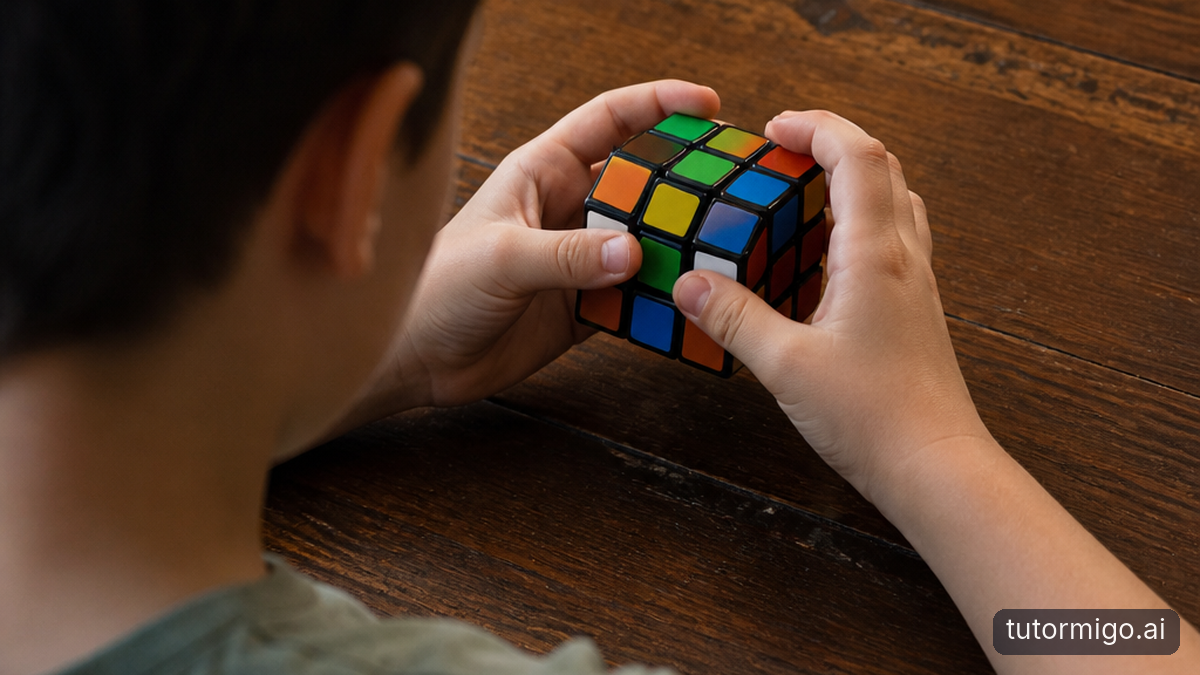
The standard Pomodoro Technique uses a 25-minute work interval followed by a five-minute break. You choose one task, work until the timer rings, then step away briefly. After several rounds, the traditional method includes a longer rest. That is the basic structure, not a requirement your child must meet.
For children, the useful idea is the predictable alternation between effort and recovery. Instead of hearing, “Keep going until everything is done,” your child knows a pause is coming. You also have a clear moment to check whether the task and timing are working.
Explain it in everyday language: “We'll work on this one thing for a little while. When the timer sounds, we'll rest. Then we'll decide what comes next.” Show them how the timer works and choose a gentle sound if a loud alarm would startle them.
A timed interval is not a race. Avoid asking how many toys they can collect before the buzzer, unless they genuinely enjoy that game without becoming tense. Careful, comfortable effort matters more than speed. If they finish early, acknowledge that the agreed task is done; there is no need to invent extra work to fill the remaining minutes.
Start Smaller: Choose Work Intervals Your Child Can Manage
You do not need to begin with 25 minutes. If your child currently manages only a few settled minutes, try three to five minutes of work followed by a short break. A child who already stays comfortable for longer might prefer eight or ten minutes. These are starting options, not age-based targets.
Choose the interval together where possible: “Would you like to try four minutes or six?” Offer choices you can both accept. Match the task to that window, too. Gathering scattered socks is more manageable than reorganizing every drawer, even if both happen in the same room.
For homework, make the first task equally specific: read one paragraph, attempt two questions, or get the materials ready. If your goal is improving child focus during homework, a smaller starting demand may be more useful than repeatedly reminding your child to concentrate. You can also support homework without taking over by helping define the task while leaving the thinking to them.
Keep the first few attempts easy enough to learn from. If your child finishes calm and willing to return, the interval may fit. That does not mean you must lengthen it tomorrow. A rhythm that works reliably is more useful than a longer interval that regularly ends in tears.
When to Pause Before the Timer Rings: Restlessness, Frustration and Fatigue
A planned break is helpful, but your child does not have to wait for permission from the timer. Pause sooner if they become upset, complain of discomfort, seem exhausted, or can no longer engage with a task they usually manage. The clock gives structure; it does not overrule their needs.
Look for changes rather than treating every movement as a problem. Some children think while standing or tapping a foot. If your child is still sorting toys or working through a question comfortably, movement alone may not mean they need to stop. Repeatedly abandoning the task, rubbing their eyes or becoming increasingly snappy deserves a check-in.
Ask one simple question: “Do you need help, a smaller job, or a rest?” A child upset about a tricky worksheet may need an instruction explained. A child yawning through bedtime tidying may need the task reduced or postponed. A break cannot replace sleep, food or help with something confusing.
If frustration is rising, stop without making the pause a punishment or a prize. Say, “This is getting hard. Let's pause and work out what would help.” Once your child is settled, decide together whether to return for a shorter interval, change the task, or leave it for another time.
Make Breaks Restorative: Stretch, Get Water and Skip the Scrolling
A restorative break changes the demand on your child's attention. After sitting over homework, they might stretch their arms, walk to get water or look out of the window. After carrying toys around, they might prefer sitting quietly beside you. The best break depends partly on what they were doing and how they feel.
Keep a couple of options ready so the break does not become another complicated decision. Try, “Would you like a drink or a stretch?” For study breaks for children, simple activities with a natural ending are especially practical: refill a cup, take a short walk down the hallway, or gently roll the shoulders.
Scrolling can make restarting harder because feeds keep offering something new without a clear stopping point. Switching from an absorbing video back to putting books away can feel particularly unappealing. This is not about labeling screens as bad; it is about choosing a break that is easy to leave when your child is ready to return.
Agree on the break before starting work, including roughly how long it will last. Give a calm heads-up near the end rather than abruptly announcing that rest is over. If your child still seems drained, check what they need instead of assuming that a few minutes should have fixed everything.
Try One Small Task Together, Then Adjust Your Child’s Work-and-Break Rhythm
For your first trial, choose one ordinary task at a reasonably calm time. Putting books back on a shelf works well because the finish is visible. Ask your child to choose between two short intervals, such as four or six minutes, and agree on a brief water or stretching break afterward.
Stay nearby without narrating every move. When the timer rings, acknowledge the effort and take the promised pause. If the task is unfinished, avoid turning the break into a negotiation about doing “just a bit more.” Following through helps your child understand that the stopping point is dependable.
After the break, ask, “Did that feel too long, too short, or about right?” Add your own observation gently: “You seemed comfortable at first, but the last minute looked tiring.” Decide whether to try one more short round. One round may be enough for the first experiment; there is no quota to complete.
Next time, change only what needs changing: a smaller task, a shorter work interval, or a different kind of rest. You can make this part of building steadier study habits at home without turning every activity into a timed session. Start with one manageable task, notice how your child responds, and keep the rhythm that helps them return without a struggle.
Frequently asked questions
No. Start with a short interval your child can manage comfortably, even three to five minutes. Keep it short if that works; longer sessions are not automatically better.
Yes, if frustration is building. Check whether they need help, a smaller task or rest. They do not have to reach the alarm to deserve a pause.
Check whether they are still tired or the task feels unclear. Offer a smaller next step, shorten the next interval, or stop for now if their needs call for it.
Related reading
Enjoyed this read?
Like, share, or comment below.



Comments
0Sign in required · respectful discussion · replies supported
Loading comments…