


Hours of Homework, Fading Focus: Why Your Attention Declines
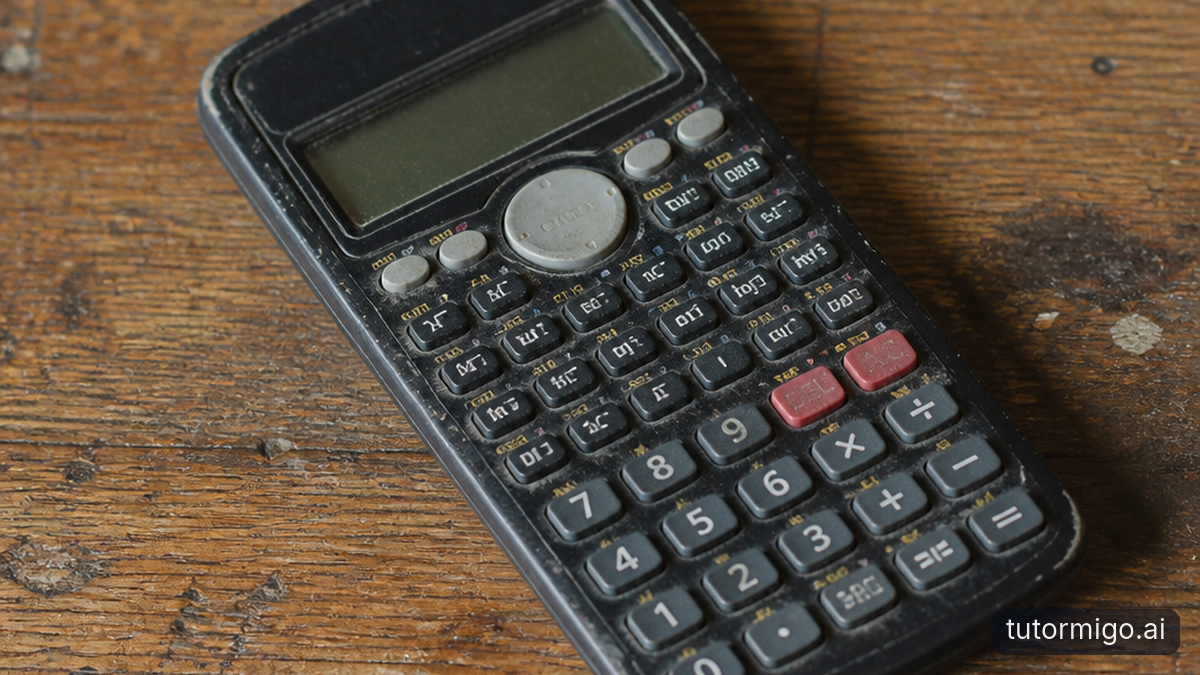
You have been doing homework for hours, but now you are rereading the same sentence and making mistakes you would normally catch. Structured breaks may help reduce that everyday mental fatigue. The aim is not to eliminate effort or guarantee burnout prevention: it is to make your next stretch of work more manageable.
Attention is not a battery that drains at a fixed rate. Staying on task means holding instructions in mind, ignoring distractions, and checking your work. Repeating those demands can make a task feel increasingly effortful. Boredom, frustration, poor sleep, hunger, and worry can also pull your attention away.
Imagine reading a science chapter while remembering which questions you must answer afterward. Eventually, your eyes may keep moving while the meaning stops sticking. More minutes at the desk do not necessarily mean more learning. That is a useful signal to pause and reset, rather than simply push harder.
Research on short breaks generally finds benefits for fatigue and energy; improvements in task performance are less consistent. Breaks create an opportunity to recover, not a guarantee of better marks. Start by noticing your own warning signs: repeated rereading, careless errors, or reaching for distractions.
The Pomodoro Technique for Kids: Why Start With 25 Minutes of Work and 5 Minutes Off?
The basic rhythm is simple: choose one task, work for 25 minutes, then take five minutes away from it. After several rounds, take a longer pause. The pomodoro technique for kids works best as an adjustable routine, not a test of whether you can sit still until a timer rings.
Why start with those intervals? Twenty-five minutes gives you time to settle into a task and make visible progress, while keeping the next stopping point reasonably close. Five minutes offers room to stand, move, or get water without turning the pause into a completely different activity. Neither number is a scientifically established ideal for every student.
A predictable endpoint can also make starting feel less overwhelming. “Work on my essay all evening” is vague. “Draft the opening paragraph before the next break” gives you a specific target. Put everything you need within reach before starting, so finding a pencil does not consume your work block.
Use a quiet timer and keep it out of your direct line of sight if watching it becomes distracting. The timer should support your attention, not become another task. Finishing a block matters less than doing useful, attentive work.
What Makes a Study Break Restorative? Screen-Free Ways to Recharge
A restorative break changes what you are asking your mind and body to do. If you have been sitting and reading closely, standing up and looking outside offers a clearer change than opening another page of dense text. You do not need to feel completely refreshed; a small reduction in tension or restlessness is useful.
Choose something easy to stop: refill your water, stretch your shoulders, walk along the hallway, or look out of a window. If you are hungry, have a simple snack. Set out what you need beforehand so a five-minute pause does not become a search through the kitchen.
Scrolling, gaming, and checking messages are harder to contain. They introduce fresh decisions, emotional reactions, and unfinished conversations that may follow you back to homework. Screens are not automatically harmful, but a feed with no obvious endpoint makes returning more difficult. For more on that boundary, see balancing screen time and homework.
Decide on your break before you begin working. “When the timer rings, I will walk to the window and stretch” is easier to follow than deciding while tired. Leave your workbook open to make returning straightforward.
A Homework Session in Practice: Work Blocks, Breaks, and a Longer Pause
Suppose tonight's homework includes a mathematics worksheet and a short reading response. Before starting, put your phone elsewhere, get water, and choose a first goal: attempt a manageable group of worksheet problems. Set a 25-minute timer, but do not treat the goal as a race.
During the first block, you complete several problems and mark one you cannot solve. When the timer rings, leave yourself a brief return note: “Check the worked example for the marked problem.” Then take five minutes to stand, stretch, and refill your glass. Avoid using the break to keep mentally arguing with the difficult question.
In the second block, revisit that problem and check your completed work. After another short break, switch to reading and drafting your response. If your assignment finishes early, stop; you do not owe the timer more homework.
After three or four blocks, a longer pause of roughly 15 to 30 minutes may make sense if work remains. Have a snack, walk, or rest away from the desk. You can take that longer pause sooner if fatigue is building. This example is a starting pattern, not a requirement to complete four rounds before you deserve rest.
When to Shorten or Lengthen Your Study Intervals
Change the intervals when the pattern repeatedly fails to match your attention or the task. If you spend the last ten minutes staring at the page, try ten or fifteen minutes of work followed by a short break. A shorter block can help you begin a difficult assignment without turning the whole evening into an endurance challenge.
If you are still engaged when the timer rings, finish the sentence or reach a sensible stopping point. For sustained reading or writing, you might test a 30-minute block. Avoid extending indefinitely just because you feel productive: notice eye strain, tension, and whether your accuracy is slipping.
Adjust for the work, too. Checking vocabulary may fit a short block, while planning an argument may need more settling-in time. If you are stuck because you do not understand the instructions, changing the timer will not solve that problem. Clarify the task or ask for help.
Change one part of the routine at a time and try it across a few sessions. Compare rereading, avoidable mistakes, and ease of returning after breaks. These observations tell you more than whether you obeyed an exact schedule. Keep the pattern that supports understanding.
Everyday Homework Fatigue vs. Persistent Burnout: What Breaks Can and Cannot Do
Everyday homework fatigue often appears during a demanding session: you feel restless, slow, or less accurate. It may ease after a break, food, sleep, or finishing for the day. A difficult evening does not, by itself, mean you are experiencing burnout.
Persistent exhaustion is different from temporarily losing focus. If you regularly dread schoolwork, feel detached from it, or find that rest no longer helps, look beyond your timer. These experiences can overlap with stress, sleep problems, anxiety, depression, or other difficulties; a study routine cannot identify the cause.
Advice about preventing homework burnout should not suggest that a five-minute pause can fix an excessive workload or ongoing distress. Study breaks for students may make individual sessions more manageable, but they cannot replace adequate sleep, reasonable expectations, support, or time away from academic demands.
If exhaustion or distress continues across days and weeks, or affects sleep and everyday activities, tell a trusted adult, teacher, school counselor, or healthcare professional. For example, if you start each evening already depleted and regularly work past bedtime, discuss priorities and workload rather than adding more timed rounds. You do not have to become better at pushing through an unsustainable schedule.
Your Next-Session Plan: Choose Intervals, Plan Breaks, and Check Your Focus
For your next homework session, choose one concrete task and an interval you can realistically manage. Start with 25 minutes of work and five minutes off if that feels comfortable; choose a shorter block if you already know your focus fades sooner. Write down the first action, such as “read the instructions and attempt the first problem.”
Next, choose two screen-free break options before starting. You might alternate a hallway walk with gentle stretching. Keep water nearby, put your phone out of reach, and decide where a longer pause could fit if homework continues. These small decisions reduce the need to negotiate with yourself when you are tired.
Before and after each block, briefly note whether you feel focused, scattered, or exhausted. At the end, ask whether you reread less, made fewer avoidable mistakes, and returned more easily after breaks. Look for a pattern across a few sessions, not a perfect result tonight.
Keep what helps and adjust one thing that does not. If an unclear homework question keeps derailing your blocks, TutorMigo.ai's tutoring workspace is one option for getting help with that question before you resume independent work.
Frequently asked questions
No. It is a starting point, not a universal attention limit. Shorten or lengthen blocks based on your task, fatigue, and ability to return after breaks.
Check your work and stop if you are done. The timer supports homework; it does not create extra work.
They may reduce everyday fatigue, but they cannot guarantee burnout prevention or resolve persistent exhaustion, excessive workload, or ongoing distress.
Enjoyed this read?
Like, share, or comment below.



Comments
0Sign in required · respectful discussion · replies supported
Loading comments…