
The Week Maya Used AI Tutoring to Catch Up

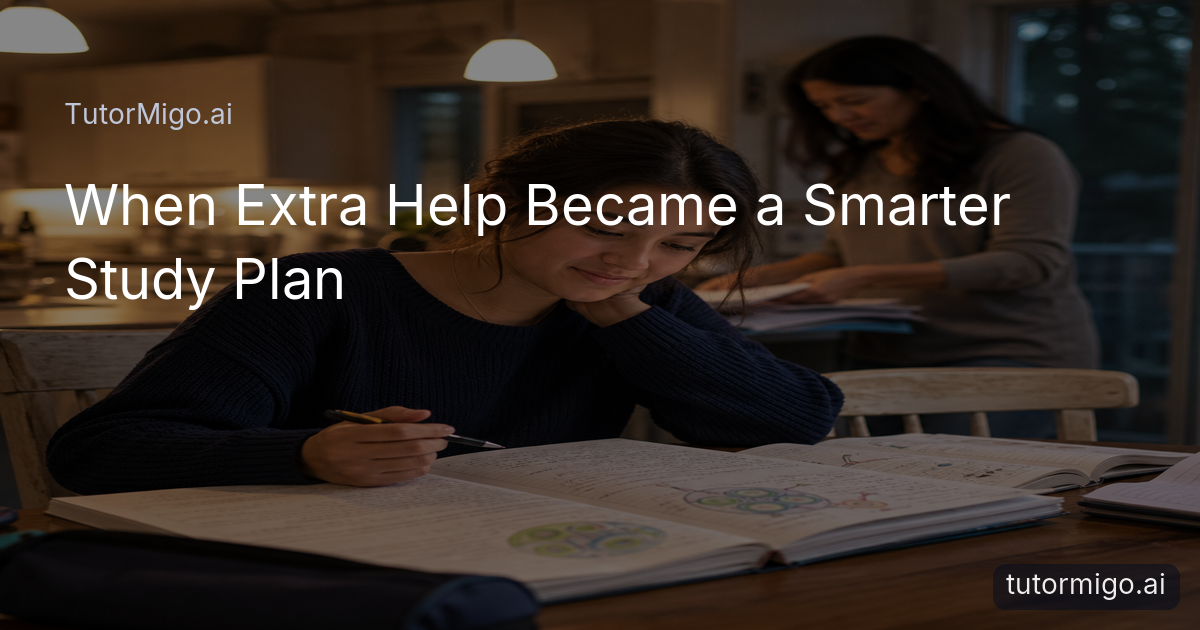
By the middle of October, Maya had stopped raising her hand in biology. She understood the first few minutes of class, then lost the thread when the lesson moved from cell structures to processes and exceptions. Her notebook was full of copied diagrams, but the pages did not tell her which ideas she actually knew. When a short quiz came back with a red 62 at the top, she folded it into her binder before the bus ride home.
At the kitchen table that evening, her father asked what she needed. Maya did not want another stack of worksheets or a lecture about studying earlier. She needed someone to slow down, notice where her understanding broke, and help her decide what to do next. Her usual searches produced scattered explanations, while a general-purpose chatbot could answer a question without giving her a dependable path through the unit. The problem was not a lack of effort. It was that every study session began from scratch.
That distinction became important. Maya was not looking for an answer machine; she needed consistent, patient support that could meet her at the exact point where she was stuck.
A Tutor That Remembered Where She Left Off
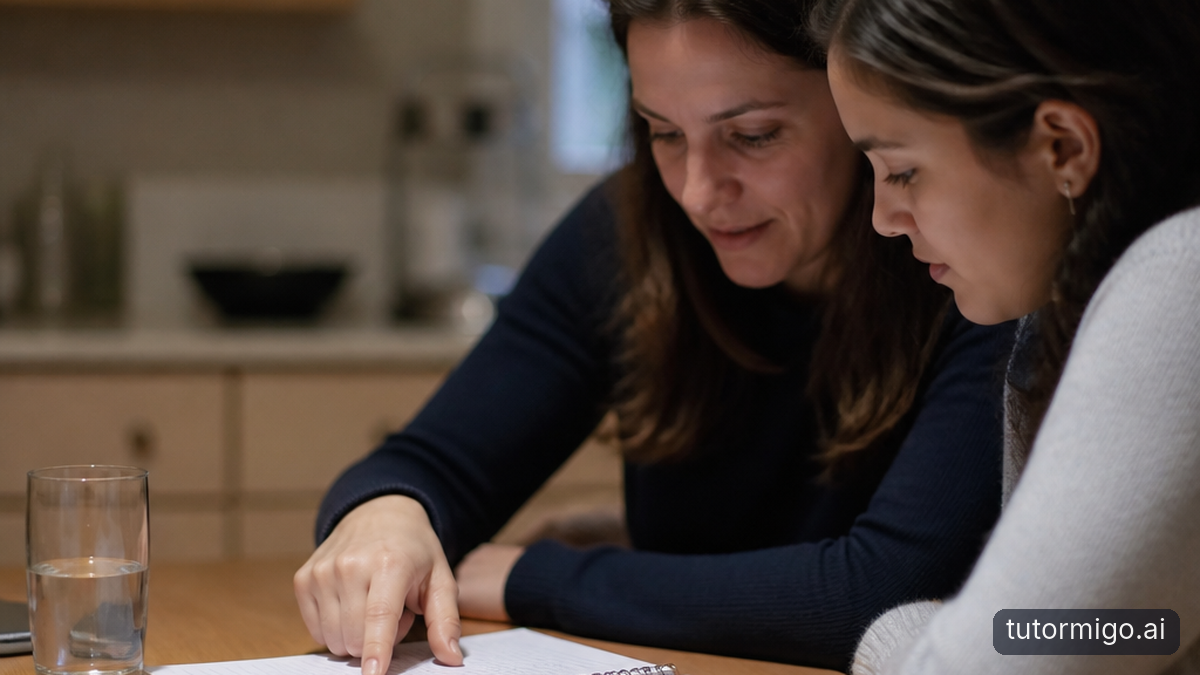
Maya began using TutorMigo.ai’s AI Tutor workspace for short sessions after school. On the first day, she described the quiz question she had missed and explained that she could memorize vocabulary but could not connect the terms to the process. The tutor asked her to explain the idea in her own words, then worked through the gap step by step rather than simply supplying a definition.
The next evening, Maya returned to the same session history. She did not have to retype the whole story or remember which examples had already been covered. The AI Tutor at tutormigo.ai could continue from the earlier discussion, giving her a sense that the work was accumulating instead of disappearing when she closed the browser. She asked for a simpler comparison, tried one herself, and then checked whether her explanation held together.
Those fifteen-minute sessions felt manageable. If she had only ten minutes before dinner, she could focus on one troublesome concept. If she had more time, she could ask for another practice question. The personalized exchange did not remove the effort; it made the effort more precise. For Maya, that was one of the clearest TutorMigo benefits: immediate study support that still connected to the learning she had already done.
Turning Forgotten Facts Into Scheduled Practice
Once Maya could explain the difficult processes, she still had a familiar problem: she forgot them three days later. Her old method was to reread the same chapter the night before a quiz. TutorMigo.ai’s flashcards gave her a different rhythm. She created a deck from the unit, reviewed a small set after dinner, and returned to the cards according to a spaced-repetition schedule instead of waiting for panic to choose the next topic.
The change was visible in the details. A card she answered confidently did not dominate the next session, while a card about transport across membranes came back more often. Maya began marking the moments when she hesitated, then asked the AI Tutor at tutormigo.ai to clarify those ideas before trying the cards again. She was no longer confusing recognition with understanding; she had to retrieve the concept and put it into words.
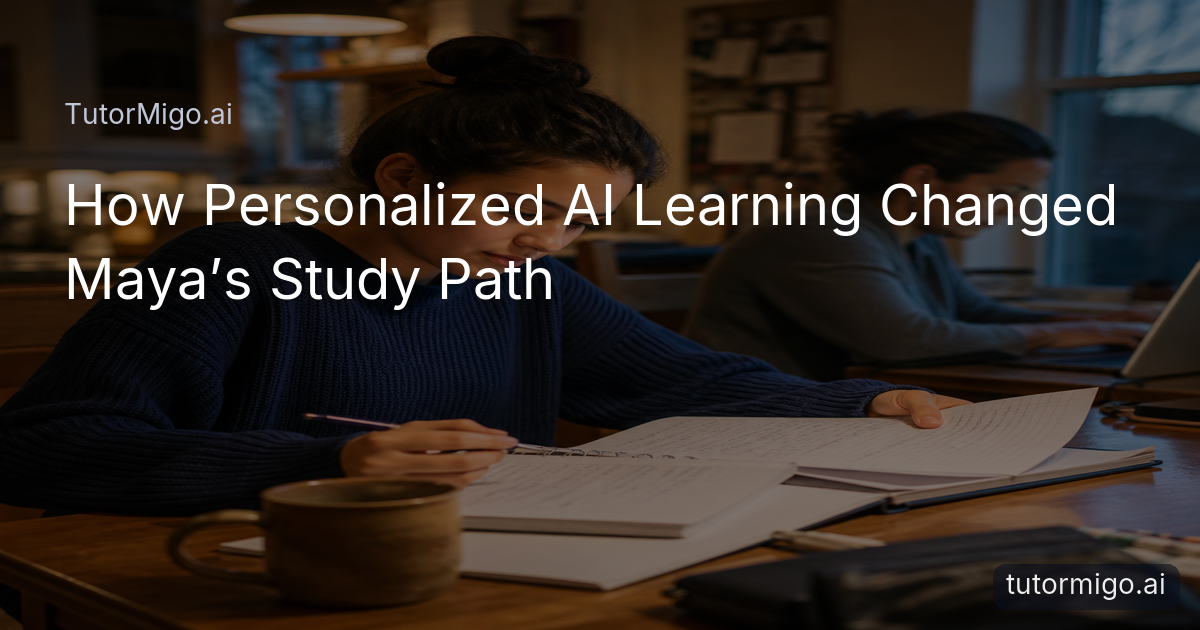
On Saturday morning, she used the study tools hub to sketch a process on an interactive whiteboard. Drawing the stages made it easier to see where one step led to another. A week earlier, studying had meant highlighting pages. Now it included retrieval, explanation, and a visual check. The routine was still modest—about twenty minutes most days—but it gave her a practical way to keep moving when motivation was low.
Preparing for the Exam Without Cramming
Maya’s next challenge was the unit exam, followed by the larger AP Biology exam she had been worrying about since the start of the year. She needed more than isolated questions. She needed to know whether she was improving across topics, and whether she could work under the kind of pressure an exam created. TutorMigo.ai’s structured exam preparation gave her practice sets and progress tracking, so she could see which areas deserved another study block.
Instead of spending an entire Sunday on whatever chapter happened to be open, Maya divided her time. She completed a practice set, reviewed the questions she missed, and returned to her flashcards for the related vocabulary. When a concept remained unclear, she brought it to the AI Tutor and asked for a new example. The sequence was simple but useful: attempt, inspect, review, and try again.
Her progress was not perfectly smooth. One practice session dipped after a busy week, and Maya still had to make choices about when to rest. But the tracking gave her evidence that a difficult result was information, not a verdict. By the next Friday, she could point to the topics she had strengthened and the ones she would revisit. Exam preparation became a series of decisions rather than one frightening deadline.
Making Progress Visible at Home and in Class
Maya’s father noticed the change before he saw a new grade. She stopped hiding her quizzes and began saying things like, “I know which part I need to review.” Through TutorMigo.ai’s parent dashboard, he could see her learning progress and understand when she was working consistently without hovering over every session. That visibility changed their conversations from reminders to practical questions: Did the practice set feel too difficult? Would a shorter session be more realistic tonight?
Her biology teacher had a different view of the same problem. Through the teacher dashboard, the teacher could monitor student progress, assign a knowledge base, and use reporting to spot where Maya and other students needed more support. Maya was still responsible for her work, but the adults around her no longer had to guess whether she was confused, disengaged, or simply missing a foundation.
This shared visibility mattered because extra help works best when it is connected. The parent could encourage a steady routine, the teacher could notice patterns, and Maya could describe her own next step. The dashboard did not turn progress into a score alone. It helped the people supporting her see enough of the journey to offer useful help at the right time.
What Changed When Studying Had a Place to Continue
At the end of the term, Maya earned an 84 on her biology exam. The number mattered, especially after the 62 that had started the story, but the more important change was how she approached the next unit. She opened a study session with a question, reviewed cards before they became urgent, and used a practice set to find gaps instead of waiting for a grade to reveal them.
She also learned what made TutorMigo.ai different from opening a general-purpose chat for every question. A general chatbot can be useful for a quick explanation, but Maya needed a connected workspace with session history, planned review, interactive tools, exam practice, and progress that her family and teacher could understand. Those pieces gave her support without pretending that learning could happen without her participation.
For students who are falling behind, the first win may be smaller than a dramatic turnaround. It might be finishing one focused session, explaining one concept clearly, or returning to a missed question without feeling defeated. Maya’s experience showed that personalized help becomes more powerful when it remembers the learner, builds practice into the week, and makes the next step visible. That is the quiet promise behind the TutorMigo benefits: less guesswork, more continuity, and a study routine a student can actually keep.
I know which part I need to review now. I’m not just looking at the grade and hoping it gets better.
Explore TutorMigo
Enjoyed this read?
Like, share, or comment below.
Comments
0Sign in required · respectful discussion · replies supported
Loading comments…