


Plan ten-minute language practice with a two-minute fallback

Start with two minutes of due flashcards, spend two minutes listening to or reading a short model, then use four minutes to speak. Finish with two minutes to check an uncertain phrase and choose tomorrow’s prompt. These are practical limits, not a scientifically required dose. If ten minutes feels demanding, start smaller.
During review, look at the cue and attempt an answer before revealing it. Say the word or phrase aloud rather than only recognising it. During listening, replay one short line, pause, and try saying it yourself. During reading, cover the example before producing your own version. Each activity should lead back to recall.
Your busy-day version takes about two minutes: retrieve a few due cards, say one useful sentence, and check one model if needed. Skip new cards that day. If you miss a session completely, resume with a manageable review rather than doubling tomorrow’s workload. For another compact structure, see this 15-minute study routine.
When choosing an AI Tutor, keep this routine as your benchmark: you need relevant prompts and manageable practice, not an impressive-looking conversation that leaves you unable to recall anything afterward. A timer and a small deck are enough to begin.
Days one to three: introduce, describe, and request
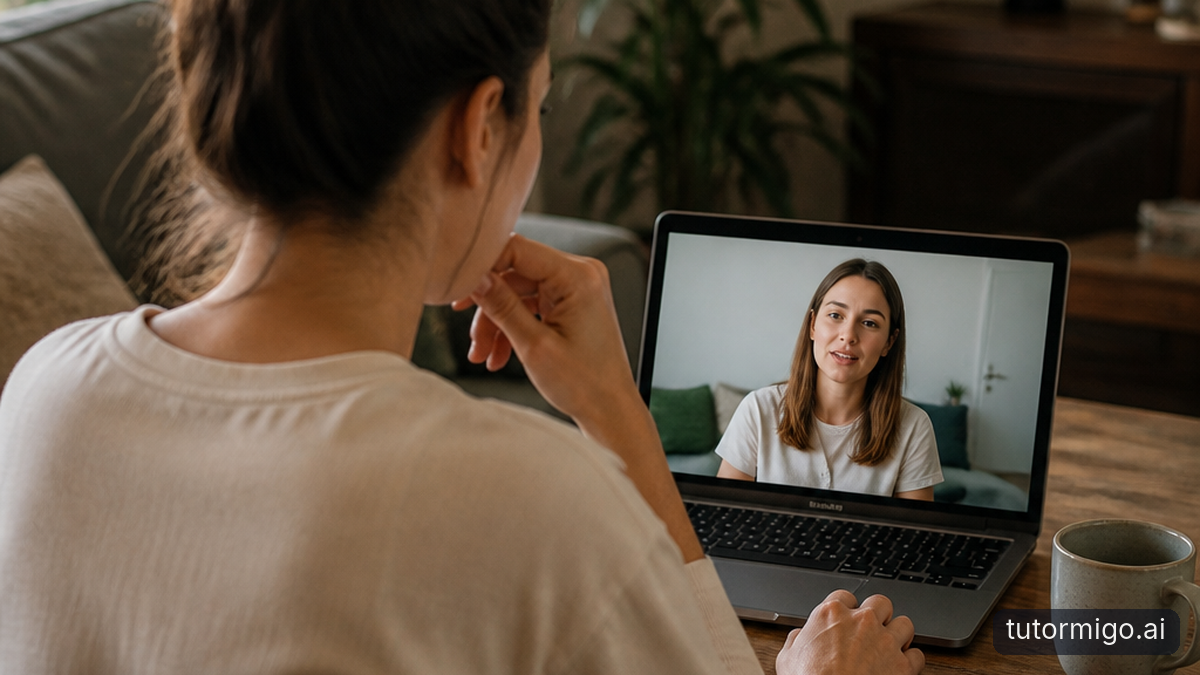
Day one: introduce yourself. Say your name, where you are from, and one thing you like. For Spanish, a starter might be “Me llamo Ana. Soy de Canadá. Me gusta el café.” For Arabic, use equivalent lines from your chosen beginner material rather than translating each word independently. Listen to the model, cover it, then introduce yourself twice. Add only unfamiliar, useful phrases to your deck. Short version: say your name and one preference without looking.
Day two: describe three familiar objects. Choose items you can see, such as a cup, book, and bag. Retrieve each noun, then say one simple detail using a checked sentence pattern. Review yesterday’s introduction cards before starting. Read a short model description, close it, and describe your own objects. If a noun’s gender or a plural form matters, keep that information with the card. Short version: name one object and give one detail.
Day three: make a polite request. Practise asking for water, a food item, or another everyday object using a reliable model. For Spanish, “Quiero agua, por favor” is one beginner example. Listen, repeat, then change the requested item without copying the whole line. Revisit an object from day two so older vocabulary stays active. Short version: retrieve and say one complete request. If a word disappears from memory, check it and try again later; repeated struggle is a reason to simplify the card, not abandon the challenge.
Days four to seven: reuse words in small conversations
Day four: describe your routine. Say three things you normally do, using present-tense patterns you have already checked. Keep the order simple: get up, study or work, then eat. Read a short beginner passage about a daily routine and borrow its structure, not unfamiliar details. Bring back your drink or food vocabulary from day three. Short version: say one routine sentence and retrieve one older card.
Day five: ask and answer two questions. Use familiar topics, such as your name and what you like. Read each question, cover a model answer, and respond aloud. Then reverse roles and ask the question yourself. You are practising both sides of an exchange, not memorising a speech. Retrieve the introduction phrases from day one before checking them. Short version: ask and answer one question. If you practise alone, these ideas for language practice without a speaking partner can help.
Day six: act out a tiny shopping exchange. Choose two items from earlier days. Greet someone, request an item, and say thank you. Read or listen to a reliable sample exchange first, then put it away. Keep numbers or prices out unless you already know them; the point is retrieving useful language, not adding several new topics. Short version: give a greeting and one polite request.
Day seven: give a short personal recap. Introduce yourself, name something you like, describe one routine, and make one request. These can remain separate statements; you do not need advanced connecting language. Try once without notes, then check the phrases you could not retrieve. Review the relevant cards rather than adding a large new batch. Short version: choose two sentences from different days and say both from memory. This final session helps you decide what deserves another week of practice.
Build a small deck that brings vocabulary back
Make your flashcards study routine serve the speaking goals. Start with a small deck of useful prompts rather than importing hundreds of words. One card might show “Ask for water politely” on the front and a verified target-language phrase on the back. Another might use a picture cue for an object you regularly describe.
Keep each card focused on one manageable response. Include details that prevent ambiguity: a noun’s article where useful, the intended meaning, or the Arabic variety. Avoid treating an English word as if it always has one equivalent. When a phrase repeatedly causes trouble, check its meaning and pronunciation, then shorten the prompt or separate two competing meanings.
Review due cards before adding new ones. Say your answer before revealing it, and be honest about whether you recalled it or merely recognised it. Return to useful words in different speaking tasks: the cup from day two can appear in day three’s request and day six’s shopping exchange. That gives review a purpose beyond clearing a queue.
TutorMigo benefits this approach through spaced-repetition flashcard decks, AI-assisted card creation, and review scheduling. Check generated card content against your reliable materials before relying on it; convenient creation does not replace verification.
Start today, then adapt next week
First, choose your language variety, a reliable beginner source, and a regular practice moment. Next, prepare a small set of checked cards for introductions and familiar objects. Put the seven speaking goals somewhere easy to find, and decide now which days are likely to need the shorter version. You do not need a new app setup every morning.
If you explore TutorMigo’s Arabic and Spanish voice-practice demos, try one familiar goal from this challenge. Treat the demos as opportunities to try voice practice, not as a promise of pronunciation corrections, scoring, or progress tracking. Use reliable recordings or knowledgeable speakers to check what you say.
You can also use the TutorMigo.ai AI Tutor Workspace to ask for a short beginner prompt about a topic you already know. Keep the request narrow, and verify unfamiliar language before adding it to your deck. The same caution applies when a parent or teacher compares AI tools for practice.
At the end of the week, ask yourself which phrases you could retrieve and which needed help. Repeat difficult days, keep useful cards in review, and add only a little new vocabulary. A smaller challenge you repeat is more useful than a crowded plan you avoid.
Frequently asked questions
Yes—as a manageable fallback. Retrieve a few familiar words and say one complete sentence without looking. Use longer sessions when your week allows.
No. Prioritise due reviews and useful speaking phrases. On busy days, skip additions; if reviews become overwhelming, reduce new cards until the workload feels manageable.
Yes. Repeat the goals with familiar vocabulary first, then change a few objects or preferences. Keep checking uncertain translations and pronunciation with reliable sources.
Compare how easily each tool supports short prompts, appropriate beginner content, and manageable vocabulary review. Do not assume voice access includes corrections, scoring, or tracking.
Explore TutorMigo
Enjoyed this read?
Like, share, or comment below.


Comments
0Sign in required · respectful discussion · replies supported
Loading comments…