

Understanding IELTS Test Format and Scoring Bands
When it comes to ai tutor vs human tutor for your IELTS preparation, understanding the strengths of each can make a big difference in how you build your skills. You want to improve across listening, reading, writing, and speaking to reach a high band score. This comparison will help you see what fits your situation best.
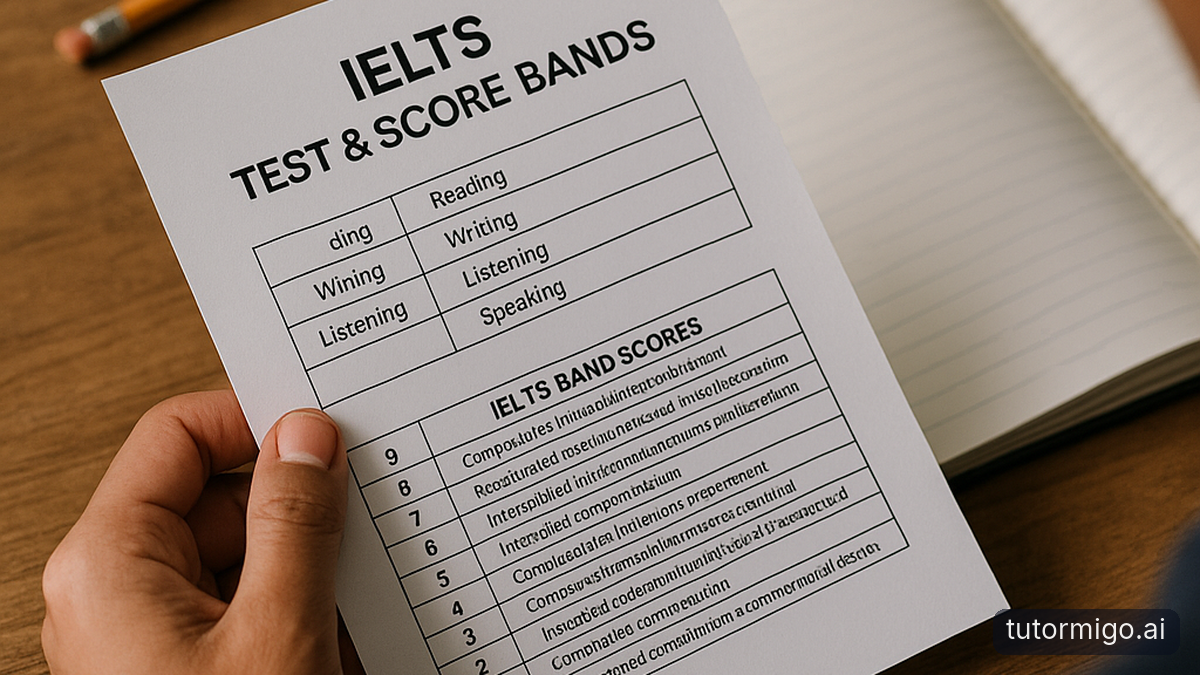
The IELTS test has four parts that test different abilities, with each section scored on a band scale from 0 to 9. Your overall band score is the average of the four. To reach band 7 or higher, you need to demonstrate a good command of complex language, understand implied meanings, and organize ideas clearly. For listening, the recording plays only once, so missing a detail can cost points. An AI tutor can replay sections instantly and break down why an answer fits or not using transcripts. In a typical session, you might listen to a conversation about booking a hotel and answer multiple choice questions. The AI Tutor can then highlight the exact phrase that gives the answer and generate similar exercises on the same topic to reinforce the skill.
Reading passages require quick comprehension of main ideas and details within 60 minutes for 40 questions. A human tutor can walk you through skimming techniques live and adjust based on your questions right away. For example, if you struggle with true false not given statements, they can explain the difference using your own attempt and create custom passages. Both methods help avoid common pitfalls like spending too long on one question. The AI Tutor provides consistent timing practice without needing to book appointments, which is useful when your schedule varies. Many candidates see faster progress when they mix approaches, starting with AI for volume of practice and switching to human for tricky concepts.
Feedback for IELTS Writing and Task Responses
Writing tasks in IELTS demand clear structure, accurate language, and full task achievement. Task one often involves describing charts or processes, while task two requires an essay with a clear position. Human tutors excel at giving nuanced feedback on coherence and cohesion, pointing out where your ideas jump around or lack examples. They can discuss your argument in a back and forth way, helping you see how to strengthen it for a higher band score. For instance, if your essay on education technology lacks specific examples, a human tutor might suggest real world cases and show how to integrate them smoothly.
An AI tutor delivers instant checks on grammar, vocabulary range, and repetition. It can flag issues like using the same linking words repeatedly and propose alternatives immediately so you revise on the spot. Imagine submitting a practice task one on a pie chart about energy sources. The AI Tutor highlights that you described the data but did not compare trends, then offers a revised paragraph. This quick loop lets you practice multiple versions in one sitting. However, human feedback often catches subtle tone problems that AI might miss, such as sounding too casual in an academic response. To fix common mistakes like not covering all bullet points in task one, use the AI for initial drafts and a human tutor for final review. This combination helps you internalize the criteria used by examiners.
Practice with timed conditions to build speed. Review every piece of feedback carefully and rewrite the section before moving on. Over time, this targeted work lifts your writing band significantly.
Developing IELTS Speaking Fluency and Confidence
Speaking is often the most stressful part for candidates because it happens live with an examiner. Part one has short questions, part two requires a two minute talk from a cue card, and part three involves deeper discussion. A human tutor creates a realistic exam atmosphere by asking follow up questions and correcting pronunciation or grammar on the fly. They can also work on your body language and confidence through role play. For example, if you hesitate on a topic about your hometown, the tutor can model a full response and then guide you to add details without pausing too much.
An AI tutor lets you practice unlimited times with different personas that simulate examiners from various backgrounds. You record your answers and receive scores on fluency, lexical resource, and pronunciation. The AI Tutor can replay your recording with highlighted weak spots, such as mispronounced words, and suggest drills. In one scenario, you might practice a part two cue card about a memorable journey. The AI generates the prompt, times you, and then gives feedback like using more varied vocabulary instead of basic words. This builds comfort through repetition without judgment. Yet human tutors add the unpredictable element of real conversation that AI cannot fully replicate. Use AI for daily fluency drills and schedule human sessions closer to your test date to refine interaction skills. Focus on reducing fillers like um and ah by recording yourself often.
Both options help you handle the pressure of the three parts. Track your self recorded responses to see improvement in length and detail over weeks.
Creating a Realistic IELTS Study Plan
A solid study plan for IELTS preparation balances all four skills without burnout. Start by taking a diagnostic test to spot weak areas, then allocate time each week. For instance, spend three days on listening and reading with focused exercises, two on writing tasks, and one on speaking. Include review days to go over mistakes. An AI tutor can generate a personalized schedule based on your progress and suggest daily goals like completing two reading passages. It adapts if you improve quickly in one skill. A human tutor helps with accountability through regular check ins and adjusts the plan when life gets busy.
Include spaced practice for vocabulary and grammar points that appear across sections. For smarter daily studying, check out TutorMigo Benefits for Smarter Daily Studying. This approach prevents cramming and keeps skills fresh. Human tutors might recommend specific resources or discuss strategies for the test day. To avoid the common mistake of ignoring one skill, such as skipping speaking until the last minute, build short daily sessions into the plan. For example, ten minutes of speaking practice every morning using cue cards. The AI Tutor can remind you of these micro sessions and provide the prompts. Combine this with longer human led reviews every weekend. Many candidates reach their target band score faster when the plan includes both volume from AI and depth from human input. Review your plan weekly and tweak based on mock results.
Consistency matters more than long sessions. Stick to small achievable targets to maintain motivation throughout your IELTS preparation.
Using Mock Tests to Target Your IELTS Band Score
Mock tests replicate the real IELTS experience and reveal where you stand on the band scale. They cover the full format with timed sections so you practice pacing. An AI tutor can create unlimited mocks tailored to your weak skills and score them instantly with explanations. For example, after a full mock, it might show that your listening band is 6.5 because you missed details in the last section. It then generates extra practice on that exact type of question. Human tutors can administer mocks in a proctored setting and discuss your performance in person, helping you understand examiner expectations for each band.
Common mistakes include running out of time in writing or giving short answers in speaking. After a mock, review every error. The AI Tutor breaks down why an answer was wrong and offers similar questions for retry. A human tutor can role play the speaking part again with better prompts. Aim to take a full mock every two weeks during your study plan. Track your band score trends to see if you are improving. If your reading stays at band 6, focus extra time there with targeted drills. Both AI and human support make mocks more effective than solo attempts because they provide immediate analysis. Use the results to update your study plan and avoid repeating the same issues on test day.
Simulate test conditions as closely as possible, including no breaks between sections. This builds the stamina needed for the real exam.
Weighing Your Options for IELTS Preparation
Ultimately, when weighing ai tutor vs human tutor, consider your personal learning style, budget, and timeline for IELTS preparation. If you need flexible, on demand practice with instant feedback across all skills, an AI tutor fits well for building volume and consistency. The AI Tutor can handle daily listening drills or writing revisions without waiting for appointments. On the other hand, a human tutor shines when you want live conversation practice and emotional encouragement, especially for speaking where nuance matters. Many students combine both to cover different needs and reach their target band score more efficiently.
Start by trying a few sessions with each to see what clicks. Use mock results to guide your choice. If your schedule is packed, lean on AI for most practice and add human support for final polishing. Remember that the goal is steady improvement in listening, reading, writing, and speaking rather than perfection in one area. Review your progress regularly and adjust as you get closer to the test. With the right mix, you can feel confident on exam day.
| Aspect | AI Tutor Approach | Human Tutor Approach |
|---|---|---|
| Practice Sets for All Skills | Structured sets via exam prep tools with instant scoring and adaptive difficulty | Custom exercises created during live sessions based on your needs |
| Feedback on Writing | AI-assisted suggestions using tutor workspace for quick grammar and structure reviews | Detailed personal comments on coherence, examples, and task achievement |
| Speaking Practice | Interactive chat for mock speaking with varied personas and recording analysis | Live conversation, pronunciation correction, and follow-up questions in real time |
| Study Scheduling | Spaced-repetition flashcards for vocab and tips with flexible daily access | Flexible but requires scheduling meetings around both schedules |
| Progress Tracking | Built-in tracking in exam preparation module showing band score trends | Manual notes and verbal assessments during sessions |
Pros and cons
Pros
- Flexible access to practice anytime for busy schedules
- Instant feedback on exercises to speed up revisions
- Customized to your weak areas using adaptive tools
Cons and limitations
- Limited real-life conversation practice compared to live interaction
- May not capture all cultural nuances in speaking responses
Frequently asked questions
While an AI tutor offers great practice with instant feedback and varied scenarios, a human tutor provides the live interaction that mimics the real exam more closely. Many learners use both for best results.
Regular mock tests help identify weaknesses in each skill. Focus on one section at a time and review mistakes thoroughly to avoid repeating them in the actual test.
Students often fail to address all parts of the task or use informal language. Practice with timed sessions and get feedback to learn proper structure and vocabulary for higher bands.
A tutor, whether AI or human, provides structure and accountability. Self study works for some but combining with guided practice leads to faster improvement across all skills.
Explore TutorMigo
Enjoyed this read?
Like, share, or comment below.

Comments
0Sign in required · respectful discussion · replies supported
Loading comments…