

When “I Can’t” Comes Before Trying: Your Child Needs Help Building Confidence

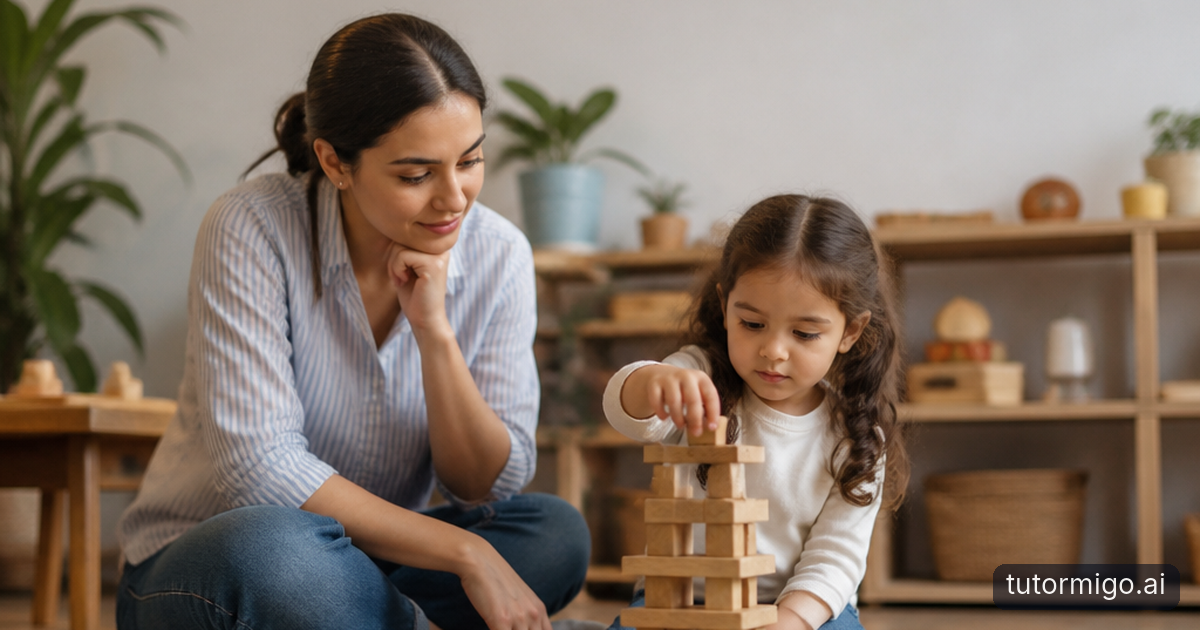
“I can’t!” Your child hasn’t placed a block or tried a turn, and you’re already torn between explaining everything and insisting they try. These moments show parents how to help without taking over: make the next step smaller, leave the thinking with your child, and help them notice what their attempt reveals.
You probably know reassurance matters. The difficult part comes afterward, when “You can do it” hasn’t moved things along. Your child may not know where to begin, may expect an immediate success, or may dislike feeling watched while they struggle. Before choosing your response, notice what is actually stopping them.
Try naming the difficulty without declaring the task easy: “You haven’t played this before, and you’re not sure what happens first.” Then make the invitation smaller: “We don’t have to understand the whole game yet. Let’s find out how a turn starts.” You’re offering an entry point, not promising an effortless result.
When children need help building confidence, they benefit from experiencing their own influence on a problem. The aim isn’t to eliminate frustration or make every attempt successful. It’s to help your child discover, “I can try something, see what happens, and decide what to do next.” That experience gives your reassurance something concrete to rest on.
Ask Questions That Help Your Child Figure Out Unfamiliar Game Rules

A new game can look like a jumble of cards, pieces, and instructions. If your child says, “I don’t get it,” avoid explaining every rule at once. Start with a question that directs attention toward one useful detail: “Where could we look to find out who goes first?”
Useful questions are specific enough to answer through looking, testing, or remembering. “What does the instruction sheet say happens after you draw a card?” is more manageable than “What do you think?” Ask one question, then leave a quiet pause. If you immediately rephrase it three ways, your child has to follow your words instead of examining the game.
Suppose your child thinks drawing a card means moving straight to the matching picture. Ask, “Can you find the part that tells us where to move?” Let them point, read, or ask you to read the relevant sentence. You can handle the reading while they interpret what it means for their piece.
Avoid turning curiosity into a guessing test. If you already know the rule, don’t keep asking leading questions until your child says your preferred answer. Offer to play a practice turn together, with no score attached. Then ask, “What would you do when that happens again?” For more question examples, explore helping your child think without giving the answer.
Offer One Small Hint, Not a Fix: The Collapsing Block Tower
Your child’s tower falls whenever they add another block. You can see the narrow bottom and the heavy blocks near the top. Rebuilding it yourself would be quick, but it would also remove the decision your child needs to practise. Instead, ask permission: “Would you like one small hint, or do you want another try first?”
If they want a hint, point toward something worth noticing rather than giving the complete design. “Watch the bottom when you put that big block on” leaves room to investigate. So does “Which part starts wobbling first?” Choose one prompt, not both followed by a demonstration.
Then stop talking. Your child might widen the base, move a heavy block lower, or try a shorter tower. Their choice doesn’t have to match your plan. Provided it’s safe, let the next attempt show them something. If the tower falls again, say, “The bottom stayed still that time. Where did it start tipping?”
A manageable hint reduces uncertainty without removing ownership. “Put these four blocks here, then those two there” is a set of instructions, not a hint. If your first clue proves too vague, make it slightly more concrete: “Look at how much space the bottom blocks cover.” Give another hint only after your child has had a chance to use the first one.
Ask Your Child to Explain Why Their Solution Works
When the tower finally stands, it’s tempting to celebrate and move on. Take a brief moment to connect the result to your child’s decisions: “What did you change that helped it stay up?” This helps the success become something they can understand and reuse, rather than a lucky outcome.
Keep the conversation natural, not like an oral test. Your child might say, “I made it stronger.” Follow with a concrete invitation: “Show me which part you made stronger.” They can point to the wider base or demonstrate how the smaller blocks balance on top. An explanation can involve gestures and objects; it doesn’t need polished sentences.
With the unfamiliar game, you might ask, “How did you know you could move there?” If your child refers to the matching picture, return to the instruction together and check whether that explains the move. If they misunderstood, say, “Let’s compare that with the rule,” rather than immediately announcing that their reasoning is wrong.
You don’t need a detailed explanation after every move or every block. Choose one useful moment, especially when your child changes their approach. If they can’t explain yet, offer an observation without supplying the whole conclusion: “You moved the big block before it stopped wobbling.” Then give them room to describe the connection.
Encourage Another Attempt—and Know When to Step Back
Support encourages another attempt when it makes the next action feel possible and keeps the outcome open. “You noticed the wobble and tried a different base” identifies something your child controlled. “You’re a genius at building” offers praise, but doesn’t tell them what they could use when the next tower falls.
After a setback, acknowledge the disappointment and offer a small choice: “That fell again. Do you want to change one thing or take a break?” Both options are legitimate. Trying again is more useful when your child has enough energy to notice what happens, rather than simply repeating the attempt through mounting frustration.
Step back when your child starts inspecting, experimenting, or talking through a plan. That’s your cue to stop prompting—even if their approach looks inefficient. Keep your hands away from the materials and resist narrating every move. You can remain nearby without directing. This is the practical heart of helping children try first.
Move closer when there’s a safety concern, the instructions are inaccessible, or frustration is preventing any useful engagement. You might read a rule aloud, clear space for fallen blocks, or suggest a pause. Helping with those barriers is different from solving the problem. If your child clearly wants to stop, agree on whether to return later rather than making persistence a contest.
Try This Next Time: Pause, Ask, Hint if Needed, and Reflect
The next time you hear “I can’t,” use a short routine: pause, ask, hint if needed, and reflect. You don’t have to deliver it perfectly or complete every part. The routine is there to slow your impulse to rescue and make room for your child’s next decision.
First, pause before reaching for the blocks or explaining the rules. Acknowledge what’s difficult: “You’re not sure where to start.” Then ask one answerable question, such as “What could we check first?” Give your child time to look. If they begin exploring, let the routine stop there while they work.
If they remain stuck, offer one hint with permission. For the tower, direct attention to the wobbling bottom. For the game, point toward the relevant instruction. Wait for your child to choose an action rather than immediately adding another clue. You’re looking for a manageable attempt, not a guaranteed success.
Finally, reflect briefly: “What did you notice?” or “What would you keep or change next time?” If the attempt didn’t work, that question still has an answer. End with a specific observation about their thinking: “You checked the rule instead of guessing.” Over time, these small moments give your child evidence that unfamiliar doesn’t have to mean impossible.
Frequently asked questions
Acknowledge the request, then offer a smaller starting point: “I can help you find the first step.” If they lack essential information, provide it directly rather than making them guess.
Watch your child rather than the clock. If they’re looking, testing, or thinking aloud, wait. If they’re stuck without a next action, ask whether a small hint would help.
Usually, if it’s safe and the consequences are manageable. Let the attempt provide information, then ask what they noticed. Intervene when there’s a risk of harm or damage.
Related reading
Enjoyed this read?
Like, share, or comment below.

Comments
0Sign in required · respectful discussion · replies supported
Loading comments…