


Personalized Learning Should Change the Help, Not the Goal
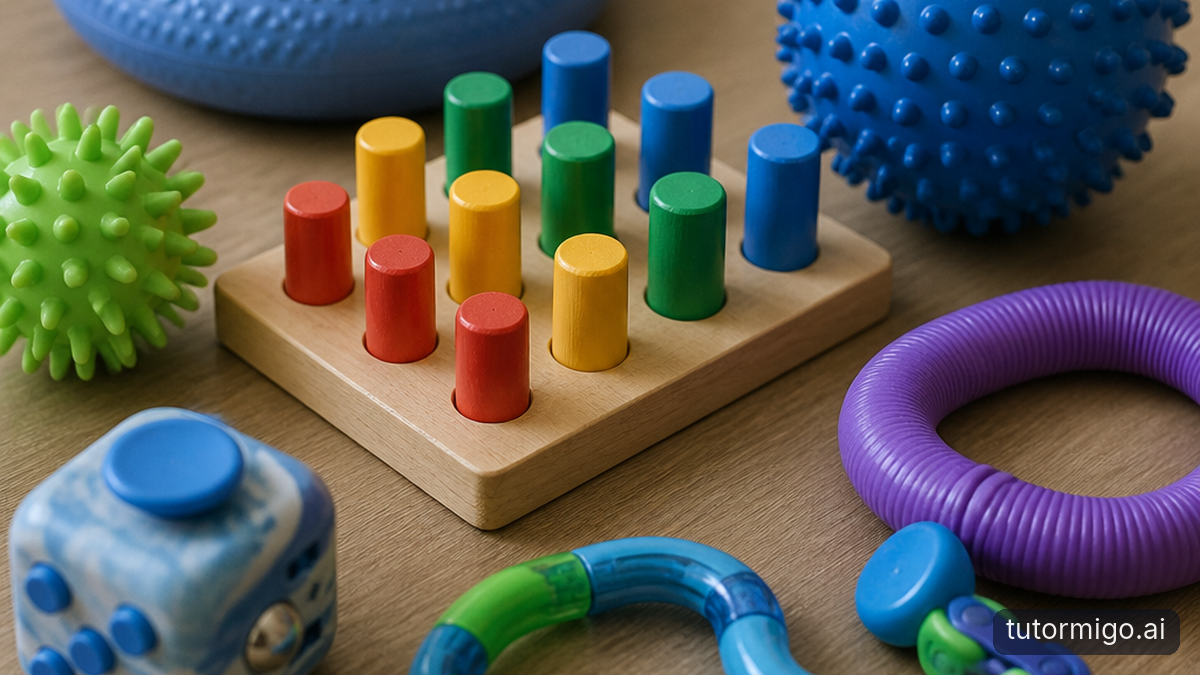
Personalized learning does not mean giving every student an entirely different education. It means keeping meaningful learning goals while adjusting the explanation, practice, and pace that help students reach them. One student may need a visual model before a written explanation. Another may understand the idea but need help explaining their reasoning. Those needs can change from lesson to lesson; they are not permanent learner types.
Imagine a class learning to compare fractions. One student struggles because they think a larger denominator always means a larger amount. Another understands the comparison but makes mistakes when reading the question. Giving both students more of the same worksheet misses the point. Useful digital guidance would ask each student to explain a choice, then respond to the specific misunderstanding.
This is the strongest case for giving every student access to personalized AI support: questions do not arrive on a convenient schedule, and classroom attention is limited. Access should not mean compulsory use or constant screen time. It should mean that, when appropriate, a student can get another explanation without being labeled slow or left waiting. Understanding why students learn differently in class helps you separate responsive teaching from one-size-fits-all practice.
The Best Help Makes Students Less Dependent

Fast answers can look like progress while hiding a learning gap. If a student copies a polished explanation, the homework may be finished, but the next unfamiliar question will expose the same confusion. Personalized support earns its place when it helps students make decisions, explain their thinking, and eventually work without it. Completion is useful; growing independence is the more important test.
For example, a student writing a paragraph about a character might ask a system to write the response. A better routine starts with the student's own claim and a passage from the book. The system can ask why that passage supports the claim or point out where the connection is unclear. The student still chooses the evidence and writes the paragraph. You can then ask them to explain the argument aloud.
A practical rule is to attempt, ask, explain, and retry. Have the student attempt the task first, request one hint rather than a finished answer, explain the next step, and try a similar task independently. This will not prevent every shortcut, but it makes learning more visible. For a closer look at that distinction, explore the shift from homework answers to lasting learning. Judge success by what students can do afterward, not how impressive the response looks.
Teachers Remain Central to the Classroom
A responsive conversation with software is not the same as being known by a teacher. Teachers notice when a normally talkative student withdraws, when a disagreement affects group work, or when confusion comes from unfamiliar language rather than the concept itself. They also decide what deserves attention, connect lessons across subjects, and build a classroom where students feel safe admitting uncertainty. Those responsibilities remain human.
Consider a science lesson on evaporation. Several students may arrive at the same wrong prediction for different reasons. Digital conversations might help them articulate those reasons, but a teacher can bring the class together around a demonstration and ask students to compare predictions with evidence. The shared discussion matters: students learn that other people can challenge an idea respectfully and help improve it.
If you teach, start by identifying where individual guidance could complement that work. It might support a brief practice period while you meet with a small group. It should not automatically replace discussion, experiments, reading together, or feedback from classmates. Ask students to bring one unresolved question back to the lesson. That simple expectation keeps digital help connected to classroom learning and gives you a clearer view of what still needs teaching.
Universal Access Requires More Than a Device
Saying every student needs personalized support creates an obligation to make that support genuinely usable. A school cannot assume that every household has reliable internet, a quiet study space, or an adult available to troubleshoot. If meaningful help is available only after school on a paid service, it may deepen the very differences personalization is meant to address. Access has to include time, guidance, and alternatives.
Picture two students assigned the same evening practice. One has a quiet room and a reliable connection; the other shares a phone with family members. A policy that treats both situations as equal will misread the second student's participation. Schools can provide supervised opportunities during the day and offer equivalent printed or teacher-supported practice. No student should lose access to essential instruction because a household cannot support a particular tool.
Usability also depends on age, language, and disability-related needs. Before adopting a system, check whether students can understand its instructions and use it with their existing accessibility tools. Younger children may need an adult to guide the interaction rather than an open-ended conversation. Invite students and families to describe barriers during a small trial. Their experience is better evidence of access than the number of accounts created.
Accuracy, Privacy, and Boundaries Are Nonnegotiable
AI-generated explanations can be confident and wrong. They can also misunderstand a student's question or offer an approach that conflicts with classroom instruction. That does not make every interaction useless, but it means students need a verification habit. For factual claims, check a trusted source. For a solution, check the reasoning against a worked example or ask a teacher when the explanations disagree.
Suppose a student receives an incorrect explanation of why the seasons change. Repeating it in simpler language will not make it accurate. A useful classroom response is to compare the explanation with the textbook and a physical model, then identify the mismatch. This turns checking into a learning activity rather than treating fluency as proof. Your expectations should make it safe for students to question the tool.
Privacy needs equally concrete rules. Before introducing a service, review its age requirements, data collection, retention practices, and school approval status. Teach students not to enter addresses, passwords, private family information, or identifiable details about classmates. Establish when adult help is required, especially for distressing or sensitive conversations. A study tool is not a counselor or an emergency service. These questions belong in any discussion of responsible AI and guided learning, not in an optional checklist after adoption.
Start Small and Look for Learning
You do not need to redesign an entire school day to find out whether personalized guidance helps. Choose one recurring difficulty: getting started on reading responses, explaining a science concept, or practicing a recently taught skill. Define what improvement would look like before introducing a tool. A useful goal might be that the student can explain their reasoning and complete a similar task independently.
Try a short, supervised routine over a week or two. Begin with an unaided attempt, allow targeted help, and finish with a fresh question without assistance. Keep a few work samples and ask the student what became clearer. If answers improve only while the tool is open, adjust the routine. If frustration increases or the guidance repeatedly conflicts with instruction, pause and involve the teacher.
The future of K-12 education should be measured by stronger understanding, fairer access, and more confident learners—not by how much technology fills the day. Every student deserves responsive help, but its form should follow the learner's needs. If you want to explore a conversational study space alongside these routines, TutorMigo.ai offers a personalized tutoring workspace with session history; check its fit with your school's rules and your student's needs before using it.
Frequently asked questions
No. Every student deserves access to appropriate, personalized help, but daily AI use is not the goal. Teacher guidance, peer discussion, hands-on practice, and offline work may be better choices for a particular task.
Ask the student to explain the idea and complete a similar task without assistance. Compare independent work over time rather than relying on finished homework or time spent using a tool.
Review age requirements, school approval, privacy practices, accessibility, and the level of adult supervision needed. Establish rules for checking answers and keeping personal information out of conversations.
Enjoyed this read?
Like, share, or comment below.



Comments
0Sign in required · respectful discussion · replies supported
Loading comments…