


Beyond Finished Homework: How to Recognize Learning Progress
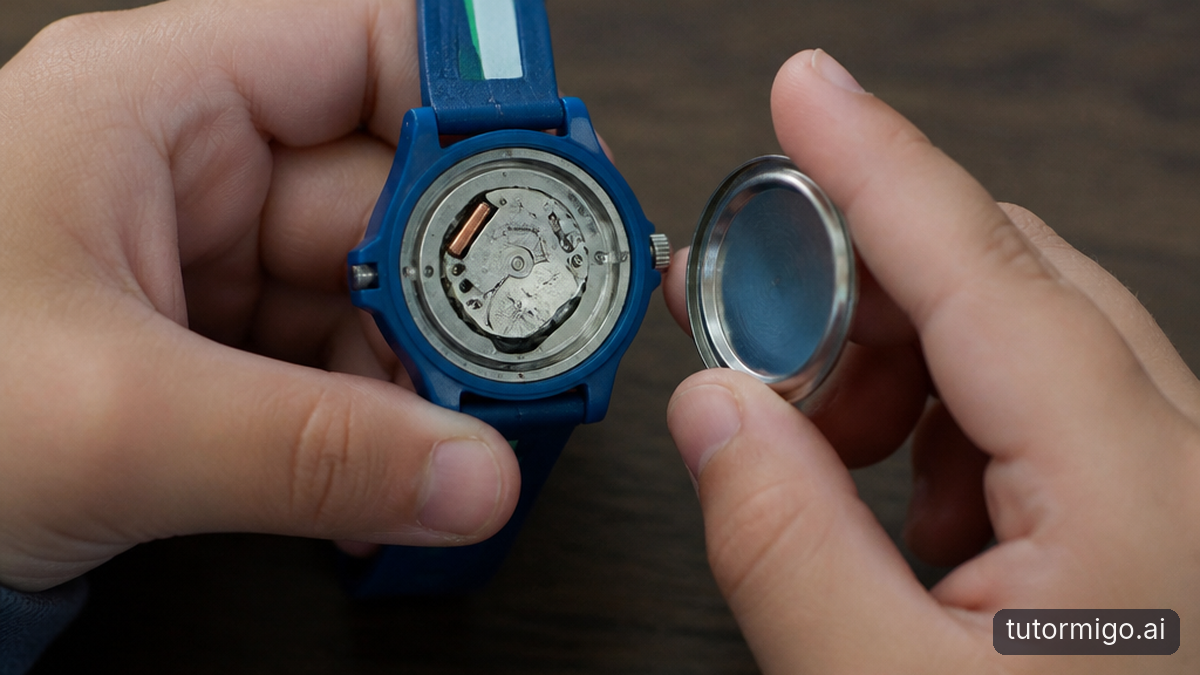
You know what your child is studying, and the homework gets finished. But when you ask how it went, you hear, “Fine.” Are they understanding more, or getting through the tasks? TutorMigo.ai’s Parent Dashboard offers visibility into child progress, giving you a starting point for conversations that go beyond completion.
Finished work tells you that something was submitted. Learning progress means your child can explain an idea more clearly, handle a similar task with less help, or recognize a mistake they previously missed. These changes may appear before a noticeably better result. Equally, a correct answer may hide uncertainty if someone supplied most of the reasoning.
Imagine your child has completed a reading assignment. Instead of asking only, “Did you answer every question?” try, “Which answer was hardest to support, and what helped you decide?” Their explanation gives you something more useful than a yes-or-no response: a glimpse of how they approached the work.
Look for patterns across several attempts rather than judging one evening. A tired child may struggle with familiar material; an easy assignment may look like sudden improvement. Combine the progress information available to you with examples of their work and their own account of what feels easier or harder.
Look for Stronger Understanding: “Can You Explain Why That Works?”

Stronger understanding shows up when your child can explain a choice, connect an idea to something familiar, or use what they learned in a slightly different situation. You do not need to become the subject expert. Your role is to invite an explanation and listen for reasoning rather than polished vocabulary.
Suppose your child correctly identifies a character’s motivation. Ask, “What in the story makes you think that?” If they point to a specific action and explain its significance, that tells you more than repeating the answer. Later, ask whether the same reasoning fits another scene. Applying an idea elsewhere is a useful sign that understanding extends beyond one familiar question.
With the AI Tutor Workspace, your child can ask for personalized explanations and use session history to revisit an earlier discussion. You might say, “Show me something you needed help with before. How would you explain it now?” Let your child choose the example rather than turning every conversation into a surprise test.
Listen for increased clarity, not perfection. “I know why my first explanation didn’t fit” can be meaningful progress. If your child repeats an explanation but cannot unpack it, stay curious: “Which part makes sense to you, and which part still feels confusing?” That question identifies a next step without treating uncertainty as failure.
Notice Growing Independence: Less Prompting, More Problem-Solving
Independence does not mean working without help. It means making more decisions about how to begin, what to try, and when to ask a useful question. A child who once needed you beside them throughout a task may now work through the first part alone and ask about one specific obstacle.
Notice how requests for help change. “I can’t do this” might become, “I understand the example, but I’m not sure which idea applies here.” That more precise question is progress even if your child still needs support. Other signs include checking instructions before asking you, reviewing an earlier explanation, and trying another approach after a mistake.
An AI Tutor can be part of that process when your child uses it to explore reasoning rather than simply collect answers. Ask, “What did you try before asking for help?” and “What will you do yourself next?” The point is not to count questions or discourage help-seeking. It is to understand whether support is helping your child take more ownership.
If you tend to step in quickly, agree on a pause: “Try a starting point, then show me where you get stuck.” Our guide to helping children try first offers more ways to encourage that habit. Recognize the strategy they used, not just whether they finished unaided.
TutorMigo Benefits for Parents: Using the Parent Dashboard to Guide Progress Conversations
One of the practical TutorMigo benefits for parents is having visibility into child progress through the Parent Dashboard. Use that visibility as a conversation starter, not a verdict. Progress information can help you decide what to ask about; your child’s explanation helps you understand the experience behind it.
Choose a calm moment and review progress together. Start openly: “Looking at this together, what feels easier than it did before?” Then invite an example: “Can you show me a piece of work that matches that?” This connects what you see with something concrete without assuming the dashboard explains every reason for a change.
If something concerns you, describe your uncertainty rather than announcing a conclusion. Try, “I’d like to understand how this topic is going. Which parts can you handle comfortably, and where do you still need help?” Your child may reveal that the underlying idea is clear but the instructions are confusing, or that a familiar task becomes difficult when the wording changes.
Keep the conversation focused on one useful discovery. You do not need to inspect everything your child has done. A short review that ends with “Now I understand what you’re working on” is more constructive than a detailed interrogation. For ways to maintain that balance, explore staying involved without hovering.
Spot Recurring Difficulties and Decide When Your Child Needs More Support
A difficult evening is not necessarily a warning sign. Pay closer attention when the same obstacle returns across several attempts, your child cannot explain a foundational idea after support, or starting familiar work still requires substantial prompting. Repeated frustration or avoidance also deserves a conversation, even when assignments are being completed.
Be specific about the pattern. “You’re struggling with everything” is overwhelming and rarely accurate. Instead, try, “You can explain the idea when we talk, but choosing where to start on your own still seems difficult. Does that match how it feels?” Your child’s answer can help distinguish uncertainty about the material from difficulty interpreting instructions or organizing an approach.
Match the support to the obstacle. If an explanation remains unclear, your child could ask the AI Tutor to approach it differently, then explain it back in their own words. If remembering key information is the issue, TutorMigo.ai’s spaced-repetition flashcards offer scheduled review. Remembering facts, however, is not the same as applying them; check both when relevant.
If the difficulty persists despite focused practice, speak with your child’s teacher or another appropriate learning professional. Bring a specific example, describe what has already been tried, and ask which foundational skill needs attention. You do not need to diagnose the problem yourself. Sustained distress is also a reason to seek support rather than simply add more practice.
Review Progress Together and Agree on One Manageable Learning Goal
Your next step can be simple: sit down together, review the available progress information, and choose one thing to work on. Begin with something your child can now do more confidently. Then ask, “What would make the next piece of learning feel a little more manageable?” Let their answer shape the goal.
Make the goal small and observable. “Get better at reading” is difficult to act on. “After reading, explain one answer and point to the passage that supports it” gives your child a clear practice target. For independence, the goal could be, “Before asking for help, reread the instructions and identify the exact part that feels unclear.”
Agree on how you will recognize improvement and when you will check in again. You might say, “At the end of the week, let’s look at a recent example together. We’ll see whether explaining your reasoning feels easier.” Keep the review about learning, not a promise of perfect performance. If the goal proves too large, narrow it rather than treating that adjustment as failure.
Use the Parent Dashboard to stay informed, and let your child’s explanations and work give that information context. You are looking for stronger understanding, more purposeful help-seeking, and gradually greater independence. Review progress together, agree on one manageable learning goal, and leave the conversation knowing what to try next.
Frequently asked questions
Not necessarily. Look for clearer explanations, the ability to apply an idea in a different task, and more purposeful decisions about when to ask for help.
Review progress together and ask your child what feels easier or harder. Use their work and explanations to add context rather than treating dashboard information as a complete assessment.
Seek support when the same difficulty persists despite focused practice, foundational ideas remain unclear, or frustration becomes sustained. Share concrete examples with your child’s teacher.
Related reading
Enjoyed this read?
Like, share, or comment below.


Comments
0Sign in required · respectful discussion · replies supported
Loading comments…