

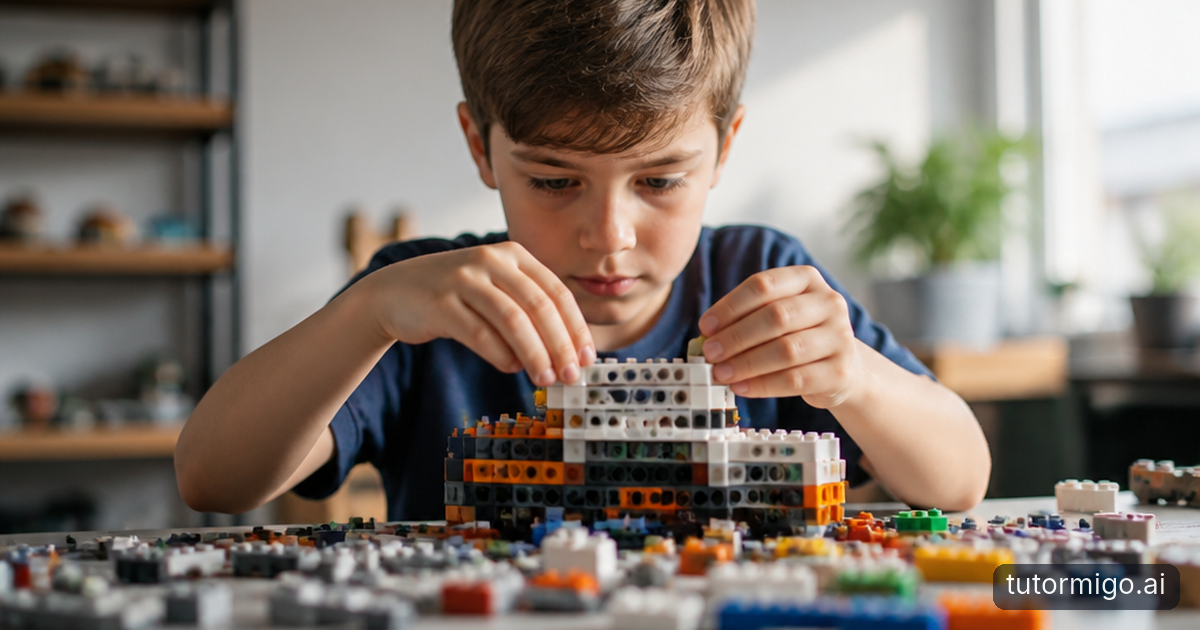
Independent learning is not learning alone

An independent learner does not know every answer or refuse help. They gradually learn to notice what a task requires, choose a way forward, and check whether their approach is working. That might mean rereading an instruction, finding an example, or telling you exactly where they became confused. These are learnable behaviours, not personality traits a child either has or lacks.
Imagine your child needs to explain a science diagram. One approach is to sit beside them and dictate each sentence. Another is to ask, “What does the diagram show? Which part could you explain first?” You are still providing support, but your child is doing the thinking. If they lack the underlying knowledge, explain it clearly; independence does not mean making them guess.
The amount of support should fit your child’s current needs. A child who struggles to organise materials may need a visible checklist while managing the actual work confidently. Another may organise everything but need help understanding unfamiliar vocabulary. Adjusting support to the barrier is more useful than expecting complete self-sufficiency. This is also where learning approaches that reflect your child’s individual needs can make a practical difference.
The future benefit is knowing what to do when you do not know
Your child’s future will include unfamiliar instructions, changing expectations, and problems without a model answer. You cannot prepare them for every situation. You can help them build a repeatable response: understand the problem, identify what they need to learn, try an approach, and review the result. That process matters well beyond finishing tonight’s homework.
Suppose your child is making a presentation and cannot fit everything onto the page. If you rearrange it for them, the immediate problem disappears. If you ask which information is essential and who needs to understand it, they practise making decisions. They also discover that a first attempt is something to improve, not a verdict on their ability.
Repeated experiences like this can build confidence grounded in evidence: “I have been stuck before, and I found a way forward.” That is different from simply telling a child they are clever. It gives them reasons to trust their own actions when the next task feels difficult.
Independence also supports responsibility. When your child chooses a plan and checks the outcome, they begin connecting their actions with results. The goal is not flawless performance. It is the ability to adjust without waiting for someone else to direct every move.
Hand over small decisions before handing over whole tasks
“Go and study independently” is a large, vague instruction. Start with decisions your child can realistically manage. You might keep the expectation fixed—homework happens before the evening winds down—while letting them choose which task to begin with or whether they work at the kitchen table or a quieter desk.
Make the planning concrete. Before a reading task, ask your child what finished work should look like and what they need nearby. They might decide to read the passage, mark unfamiliar words, and then answer the questions. Let them describe that plan in their own words rather than requiring a polished system.
Once a choice becomes manageable, transfer another piece of responsibility. If your child can choose where to start, let them decide when to pause and check their understanding. If they can follow a checklist reliably, invite them to create the next one. Avoid removing every support at once simply because one evening went well.
You can also make space for harmless imperfect choices. Your child may begin with the easier task and later discover they have less energy for the harder one. Discuss what they noticed and what they might change tomorrow. A manageable consequence can teach more than a parent’s perfectly optimised plan.
Support the struggle without taking over
Watching your child struggle can be uncomfortable, especially when you know a quick solution. Before stepping in, pause long enough to understand the difficulty. Are they unsure what the question means, missing a skill, worried about being wrong, or simply tired? Those problems need different responses, even if they all sound like “I can’t do it.”
Try asking, “Show me what you understand so far,” followed by, “Where does it stop making sense?” If your child can identify a specific obstacle, offer a small prompt. If they genuinely do not understand the concept, teach or demonstrate it, then let them try a similar part themselves. Withholding needed instruction does not build independence.
Useful struggle still leaves room for thinking. If your child is becoming overwhelmed, repeatedly guessing, or growing more upset, reduce the demand or take a break. Persistent difficulty may warrant a conversation with their teacher about the support they need. Independence should grow alongside appropriate accommodations, not replace them.
Teach help-seeking explicitly, too. Instead of accepting only “Help me,” encourage something like, “I understand the first instruction, but I don’t know what evidence to use.” A clear question shows ownership of learning. Asking for help at the right moment is a skill, not a failure.
Look for progress that grades may not show yet
A higher mark is not the only sign that your child is becoming a more independent learner. Notice whether they begin with fewer reminders, gather their materials, return to feedback, or recognise when they need clarification. These changes may appear before the quality of their finished work becomes noticeably stronger.
Choose one behaviour to observe rather than monitoring everything. If getting started is the current challenge, notice how often your child begins after the agreed cue without repeated prompting. Keep the observation low-key. The purpose is to understand what support is working, not to turn every study session into a performance review.
Make your feedback specific: “You checked the instructions before asking me—that helped you work out the next step.” This tells your child which action was useful. Compare that with “You’re so smart,” which offers little guidance about what to repeat when the work becomes harder.
A brief weekly conversation can help: What became easier? Where did you get stuck? What would you like to try differently? Share your own observations, but let your child speak first. For more examples of these quieter changes, explore ways to spot learning progress before grades improve. Look for patterns over time rather than treating one difficult afternoon as lost progress.
Your next step: change one part of the routine
For the coming week, choose one recurring moment when you usually take over. Perhaps you pack the study materials, interpret every instruction, or remind your child about each unfinished question. Select just one responsibility to share differently, and explain the change calmly: “You’ll choose your first task, and I’ll help if you’re unsure what it asks.”
Agree on when you will check in. Staying available while stepping back is often more helpful than either hovering or leaving completely. You could spend a few minutes planning together, let your child work through a manageable part, and then ask them to explain what they tried. Keep the check-in focused on their thinking rather than immediately correcting every error.
At the end of the week, ask whether the arrangement helped. If it did, keep it long enough to become familiar before adding another responsibility. If it did not, make the step smaller or restore a useful support. Progress is not a straight path, and needing help again does not erase earlier learning.
If you want a way to stay informed as you step back, TutorMigo.ai ’s Parent Dashboard offers visibility into your child’s progress and co-learning features. Whatever support you choose, keep the central aim clear: help your child become more capable of deciding what to do next.
Frequently asked questions
No. It means gradually taking more responsibility for planning, trying strategies, and checking understanding. Clear teaching, appropriate accommodations, and asking for help all belong in independent learning.
Find out what makes starting difficult. Plan the first small action together, stay nearby initially, and agree on a check-in. Reduce your involvement gradually rather than withdrawing support suddenly.
Notice who is doing the thinking. If you choose every step, explain every answer, and check everything first, try returning one manageable decision to your child while remaining available.
Allow manageable mistakes and discuss what they reveal. Step in when your child needs instruction or becomes overwhelmed. The aim is to learn from an attempt, not prolong frustration.
Related reading
Enjoyed this read?
Like, share, or comment below.



Comments
0Sign in required · respectful discussion · replies supported
Loading comments…