
The Homework Pile That Started to Feel Personal
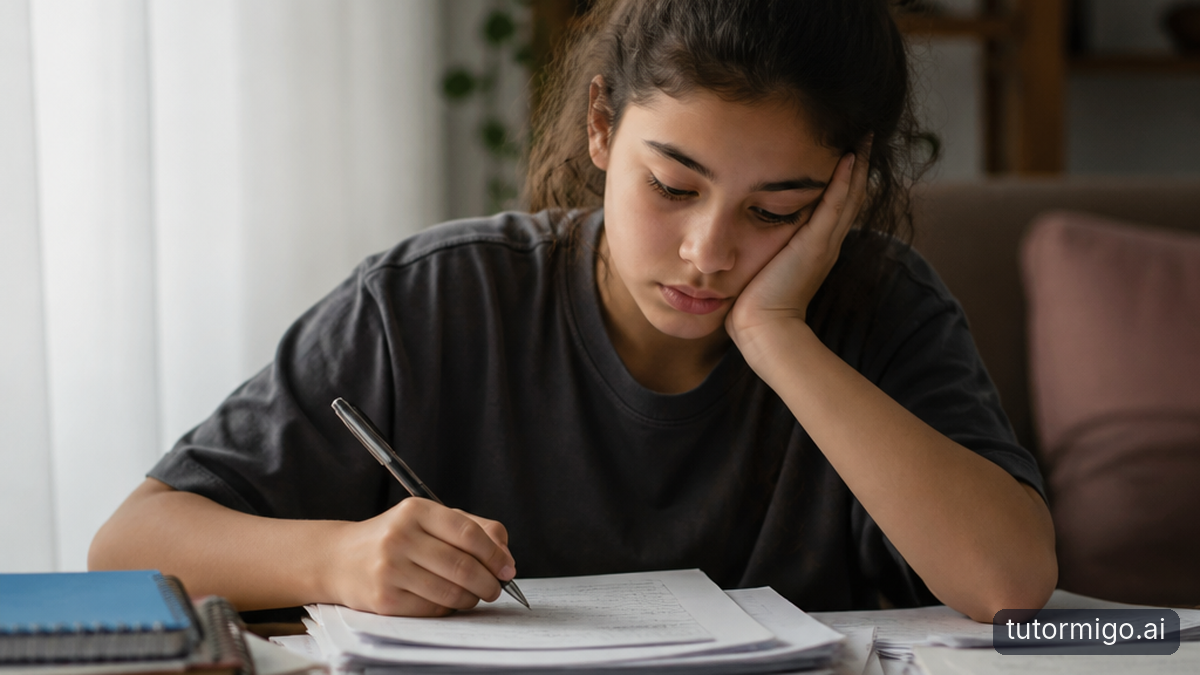
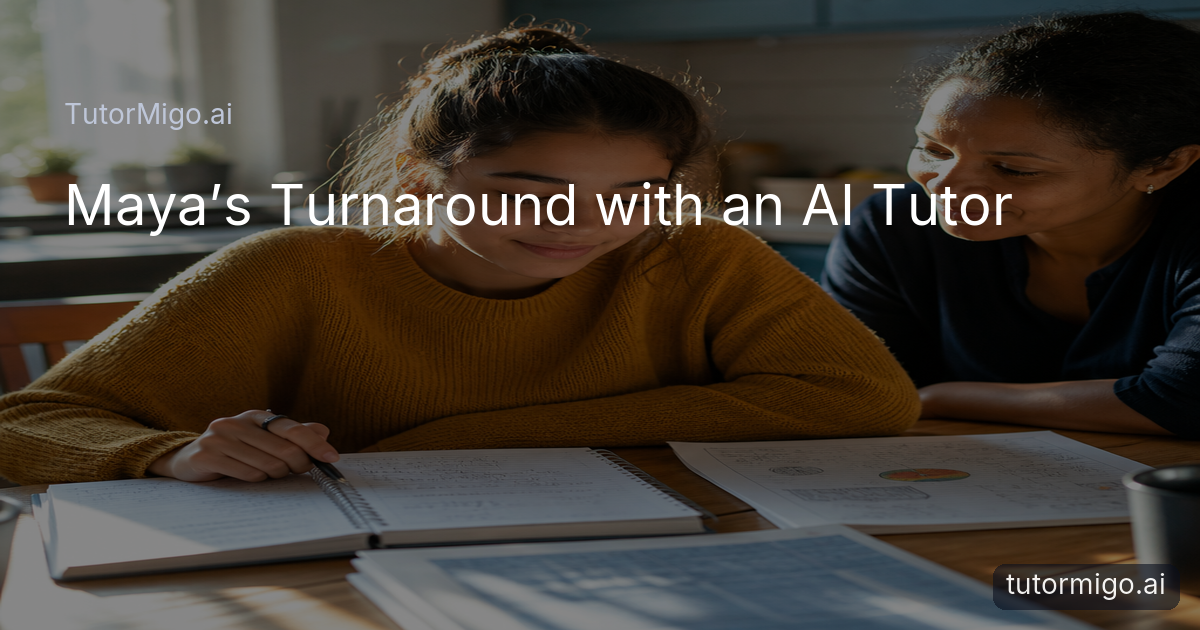
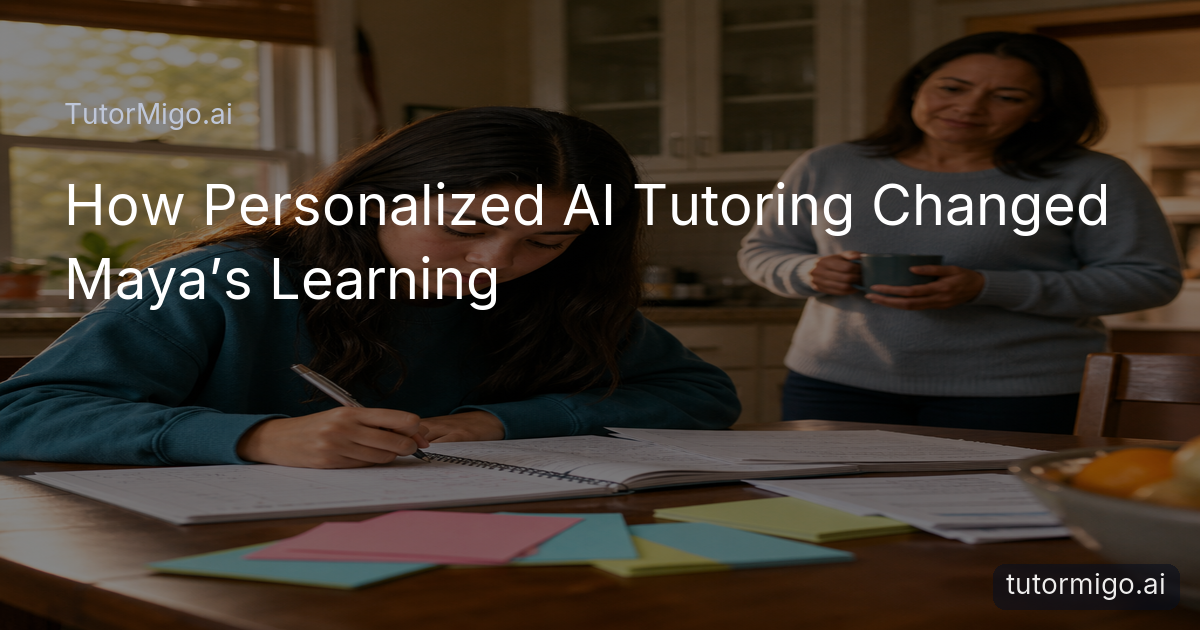
Maya used to come home, drop her backpack beside the kitchen table, and leave her math notebook closed until dinner. By then, the unfinished problems felt less like homework and more like evidence that she was falling behind. Science brought a different kind of frustration: she could remember a definition one night and lose the thread completely before the quiz.
Her grades reflected the pattern. A low score on a unit test would make the next assignment harder to start, and a missed step in algebra could turn a ten-minute problem into an hour of guessing. Maya was not unwilling to work. She was working without a reliable way to understand where her thinking had gone off track.
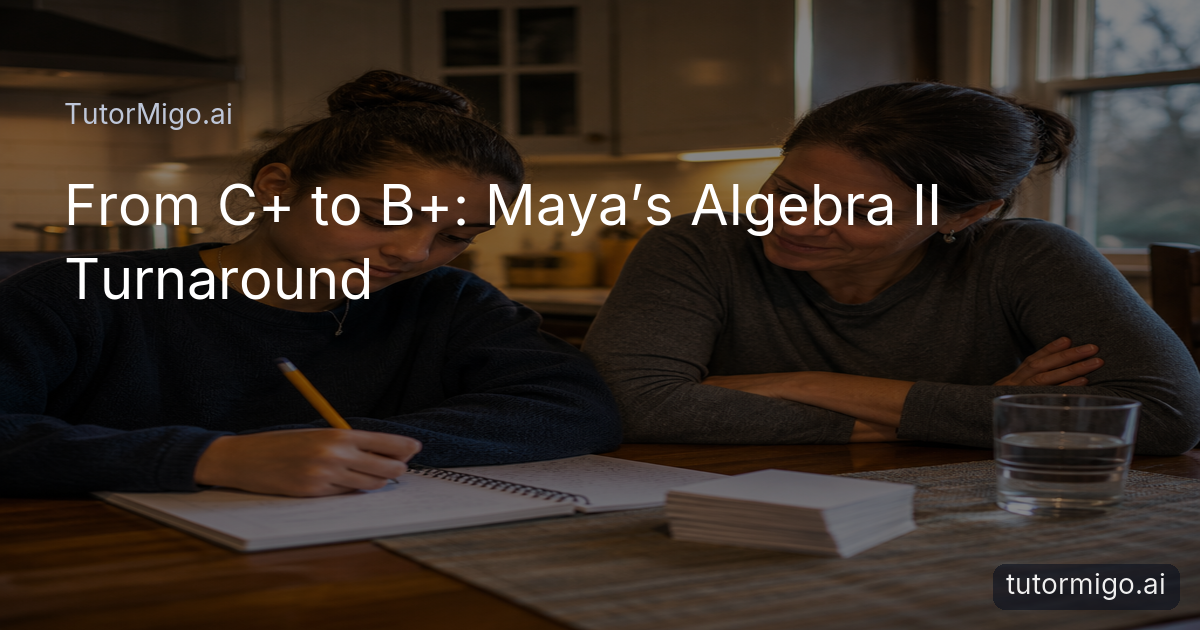
Her mother noticed that Maya often searched for quick explanations online, copied a few notes, and then faced the same confusion the following evening. The family wanted homework help that could meet Maya at the exact point where she was stuck, rather than simply hand her an answer. That became the starting point for exploring the benefits of TutorMigo with a small, practical goal: finish one assignment with less fear than the night before.
A Question-by-Question Change in Math
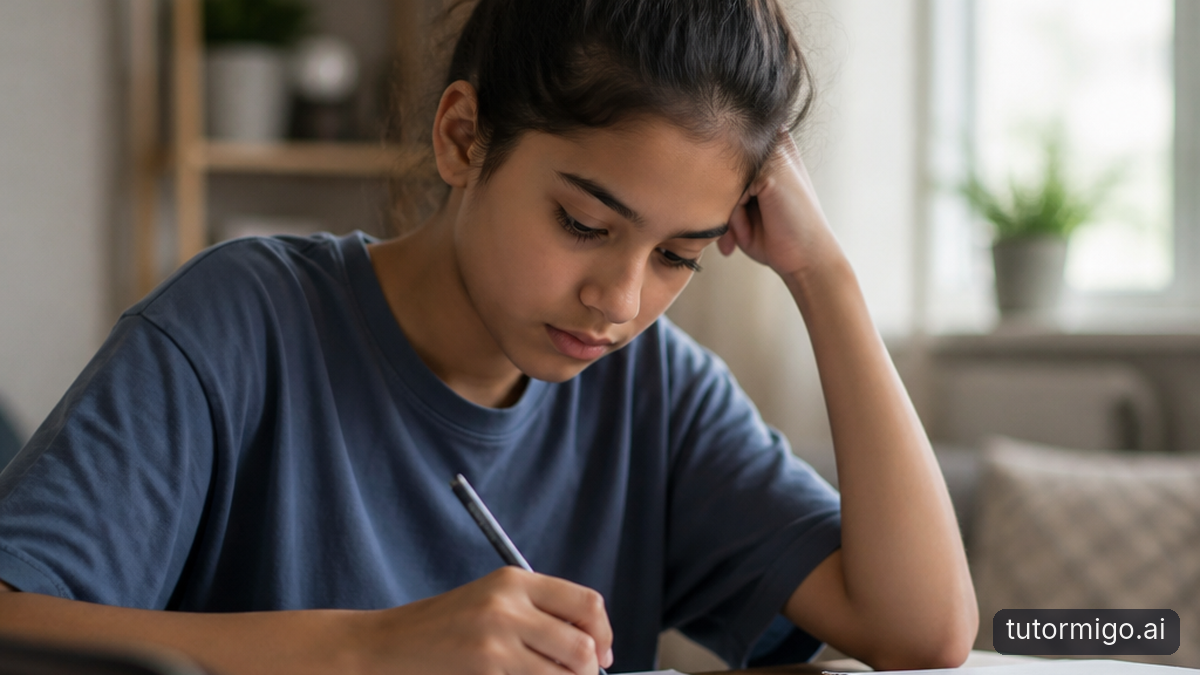
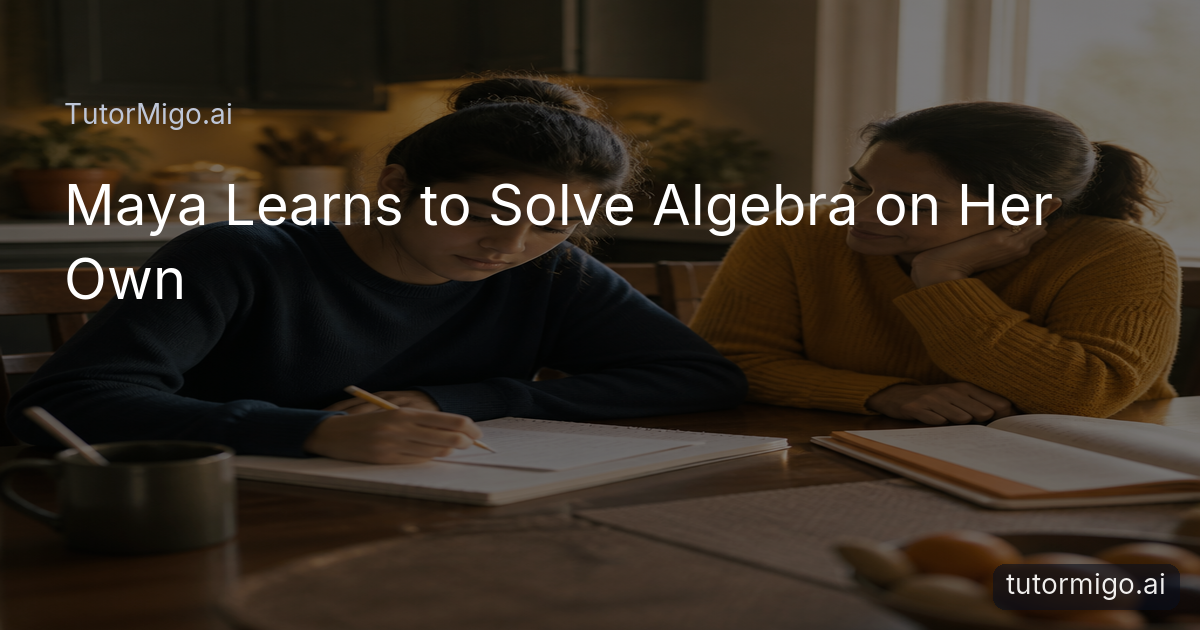
At first, Maya used the tutormigo.ai Tutor for one algebra problem at a time. Instead of typing that she needed all of the answers, she described the step that confused her. When she mixed up the distributive property, the tutor asked her to identify what happened to each term before moving forward. That small pause mattered. Maya had to explain her reasoning, not just watch a solution appear.
The tutor workspace also gave her continuity from one session to the next. Maya could return to a previous explanation, see the kind of mistake she had made, and begin the next homework session without retelling the entire story. On Tuesday, she worked through equations. On Thursday, she revisited the same idea in a new set of problems and noticed that the first step came more naturally.
For a closer look at this approach, Maya’s mother read about how AI homework help can support learning without doing the work. The distinction reassured them: the useful moment was not getting a finished answer, but understanding why Maya’s answer needed another step.
Science Became Something She Could Revisit
Science was harder for Maya to organize because each chapter introduced new vocabulary, diagrams, and processes. She would highlight nearly every sentence in a biology chapter, then struggle to explain the main idea in her own words. Her study sessions were long, but they did not give her much confidence.
Maya began turning important terms into spaced-repetition flashcards. Some cards asked for a definition; others asked her to connect a process to an example. Because the cards returned on a review schedule, she stopped waiting until the night before a quiz to discover what she had forgotten. A short review after dinner became more useful than one rushed hour on Sunday.
When a topic needed more than words, Maya used an interactive study tool at tutor to sketch a process and label the parts she could remember. She could then compare her explanation with the tutor’s guidance and correct one gap at a time. A chapter on cell transport was no longer a wall of terms. It became a sequence she could draw, describe, and check. Her study habits were changing because the work was becoming visible.
Small Evidence Built Her Confidence
The first noticeable improvement was not a dramatic test score. It was the way Maya started her work. She began opening her notebook before asking for help, writing down what she already knew, and marking the exact line where her reasoning stopped. That routine gave the AI Tutor something specific to respond to and gave Maya a clearer picture of her own learning.
Over several weeks, her math homework became more consistent. A score that once would have been returned with several corrections moved into the passing range, then higher. In science, she used flashcard reviews between assignments and made fewer avoidable mistakes on vocabulary questions. When she received an unexpectedly strong quiz result, she did not call it luck. She could name the review sessions and practice questions that had prepared her.
Maya’s confidence grew quietly. She still had difficult problems, but difficulty no longer automatically meant failure. Her mother also noticed that the kitchen-table sessions ended with fewer tears and fewer requests to abandon the assignment. The benefits of TutorMigo were showing up as practical changes: better questions, shorter stretches of avoidance, and more willingness to try a second method.
A More Complete View of Progress
As Maya’s next assessment approached, the family added more structure. She used practice sets and progress tracking to divide her preparation into manageable sessions instead of treating the whole syllabus as one emergency. A missed question became a signal to review a concept, not a reason to start over. That made planning feel measurable and less emotional.
Her mother could see progress through the Parent Dashboard and ask useful questions without hovering over every assignment. Instead of saying, “Did you study?” she could ask whether Maya wanted to review equations or biology terms before dinner. That change protected Maya’s independence while keeping support close by.
There was also a difference between using a general-purpose generative chatbot for a one-off explanation and working in a learning space designed around Maya’s ongoing study. A chatbot might help with a single prompt, but Maya valued session history, scheduled review, interactive practice, and a record of what she was working to improve. Those tools did not replace her teacher or parent. They helped the adults around her see a fuller pattern and helped Maya keep moving between sessions.
The New Version of a Difficult Evening
By the end of the term, Maya was not suddenly perfect at math or science. She still paused over unfamiliar problems, and some quizzes demanded a second look. The difference was what happened next. She could open a previous tutoring session, work through a similar example, create a flashcard for the missing idea, or use the interactive workspace to test her reasoning before asking for another explanation.
Her grades had improved, but the more lasting result was a dependable study rhythm. Maya planned shorter sessions across the week, reviewed difficult concepts before they became urgent, and kept notes about the kinds of errors she made. When her teacher returned a strong science assessment, Maya recognized the result as the outcome of repeated practice rather than a lucky change in questions.
At the kitchen table, the backpack still landed beside the chair. Sometimes Maya still sighed. But she no longer treated that sigh as a verdict. Personalized support had given her a way into the work, while continuity, flashcards, interactive tools, and progress visibility helped her stay with it. For students facing the same cycle, her story suggests a hopeful starting point: ask one precise question, take one next step, and let confidence grow from evidence.
Parents and teachers considering an AI Tutor can learn more about the learning progress that AI tutoring can help make visible, especially when support continues beyond a single answer.
I still get stuck sometimes, but now I know what to do when I get stuck. That makes the problem feel smaller.
Explore TutorMigo
Enjoyed this read?
Like, share, or comment below.
Comments
0Sign in required · respectful discussion · replies supported
Loading comments…