


Why the same lesson calls for personalized learning

Your child follows a classroom explanation, then gets stuck on the homework. Another child finishes quickly. Personalized learning for children matters because understanding depends on prior knowledge, practice, language, attention, and context—not simply effort. Adjusting explanations and pace can help you address the actual difficulty without turning learning into a race.
Learning speed is not a fixed measure of ability. A child who quickly understands a story may need longer to compare fractions. Even within one subject, familiar material can feel easy while a missing foundational idea makes the next lesson confusing. Tiredness, worry, and unfamiliar vocabulary can also affect what a child manages on a particular day.
Imagine two children learning about evaporation. One already connects the lesson to puddles disappearing after rain. The other is still working out what happens to water when it becomes invisible. They heard the same explanation, but they are starting from different places.
Recognizing individual learning needs means checking that starting point before choosing the next task. It does not mean assigning permanent labels such as “slow learner” or assuming each child has one fixed learning style. A diagram, spoken explanation, and practical example may all help, depending on the idea. Ask what the child understands now, rather than deciding what kind of learner they must be.
When another explanation is more useful than more work

If a child struggles, repeating the same instructions more loudly or assigning another page may not address the problem. Sometimes the missing piece is a word, a connection, or a step that an experienced adult no longer notices. Additional explanation is useful when it targets that gap instead of simply making the lesson longer.
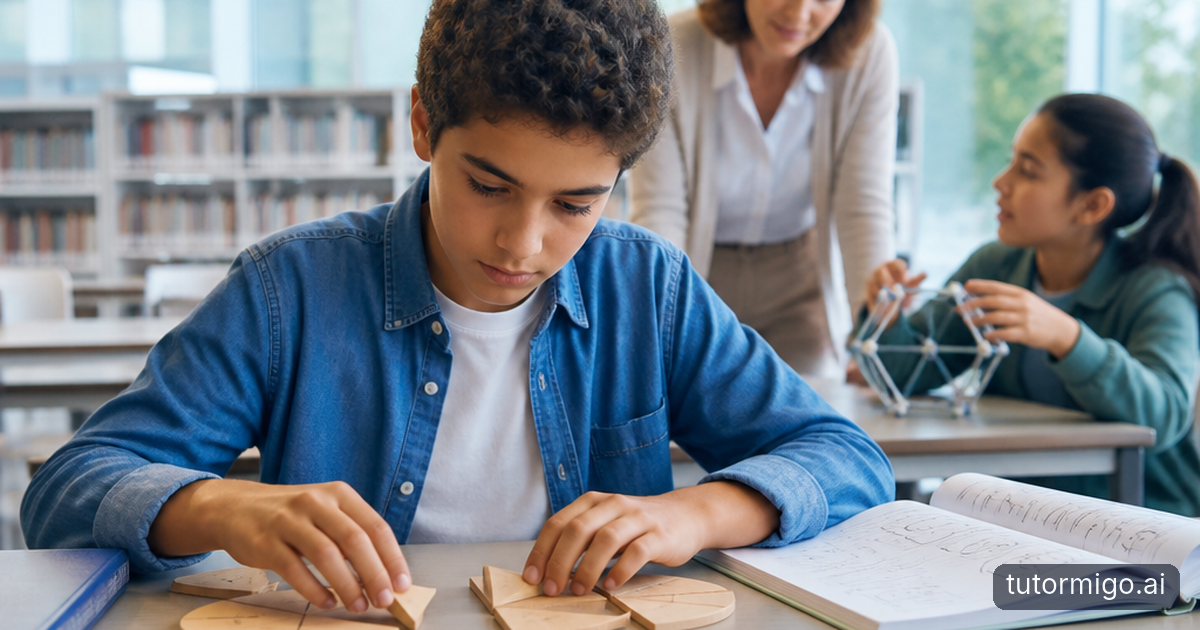
For example, a child might correctly name the numerator and denominator but believe that a larger denominator always means a larger fraction. More questions using the same rule may reinforce the misunderstanding. Comparing equal-sized paper strips divided into different numbers of pieces gives you something concrete to discuss: how does the size of each piece change?
Try asking, “Show me the first part that feels confusing,” or “What do you think this instruction means?” Then change one thing: simplify the wording, demonstrate a step, or connect the idea to something familiar. Ask the child to explain it back using a fresh example. A copied answer is not the same as an explanation they can generate.
This is also why distinguishing memorization from understanding matters. Personalized education should help you identify what needs clarification, not just supply more material. If difficulties persist despite targeted support, speak with the teacher about the pattern and whether further assessment or specialist support is appropriate.
An individual pace still needs direction
Learning at an individual pace does not mean removing expectations or waiting indefinitely for motivation. It means keeping a clear goal while adjusting the route, amount of practice, and time needed. You might keep the goal of explaining a scientific process while offering one child a worked example and another a more challenging application.
A practical study session can begin with one small check: “Can you explain this without looking?” If the child can, move to an unfamiliar example. If not, revisit the sticking point before adding complexity. A child who understands quickly should not have to repeat identical work indefinitely; a child who needs another explanation should not be rushed past the foundation.
Spacing practice across several days can support longer-term retention better than relying only on one intensive session. Retrieving an answer from memory also gives you more useful information than rereading alone. Neither strategy guarantees success, and both work best when the material is understood and mistakes receive feedback.
TutorMigo.ai offers spaced-repetition flashcards with AI-assisted card creation and review scheduling. You can use them for suitable facts, vocabulary, and short prompts after working through the concept. Check generated cards for accuracy, and include questions that ask “why” or request an example. Flashcards complement explanation and application; they should not replace either.
Make learning interactive through follow-up questions
Interactive learning is more than tapping through screens. It involves making a prediction, trying something, explaining a choice, or responding to feedback. The important question is whether the child is doing meaningful thinking. An attractive activity can still be passive if it reveals every answer before the learner has attempted anything.
Consider a child exploring why some objects float. Before giving an explanation, ask for a prediction about two objects and the reason behind it. After testing, ask what surprised them. Follow-up questions such as “Would that explanation work for a larger object?” reveal whether the child can apply the idea beyond the original example.
An AI Tutor can offer another place to ask, “Why did that happen?” or “Can you explain that with a simpler example?” Encourage a request for a hint before a complete solution. Then close the conversation briefly and ask the child to explain or attempt the task independently. That final step helps distinguish supported performance from understanding they can use alone.
For children who hesitate to speak publicly, a lower-pressure opportunity to rehearse questions may help, though it does not replace a supportive classroom. If this sounds familiar, explore ways to support a child who is afraid to ask questions in class. Questions should become part of learning, not evidence that the child has failed.
How TutorMigo.ai can complement traditional teaching
Teachers provide subject expertise, relationships, classroom context, and professional judgment. Technology can complement that work by giving a child another opportunity to revisit an explanation outside the lesson. TutorMigo.ai is an AI-powered educational companion where students can explore subjects and seek explanations based on their questions.
Its AI Tutor Workspace combines personalized tutoring chat with session history. A child can revisit an earlier exchange to review the explanation or identify an unresolved question. Session history provides a record to consult; it should not be confused with a guarantee that the system understands every aspect of the child’s learning. A useful prompt is: “I understood this example, but I cannot explain the next step. Give me a hint.”
Interactive learning tools include a whiteboard, code sandbox, and math step editor. Choose a tool because it serves the task: sketch a relationship, test a short program, or work through mathematical reasoning. Parent Dashboard features provide visibility into child progress, learning controls, and co-learning; the Teacher Dashboard supports student monitoring and reporting.
These are practical TutorMigo benefits to consider alongside response quality. General-purpose chatbots may also explain concepts and answer follow-up questions; compare the study workflow, continuity, and oversight you actually need. An AI Tutor can still produce incorrect or unsuitable explanations. Check important claims against classroom materials, and keep an adult involved when confusion persists.
What to try in your child’s next study session
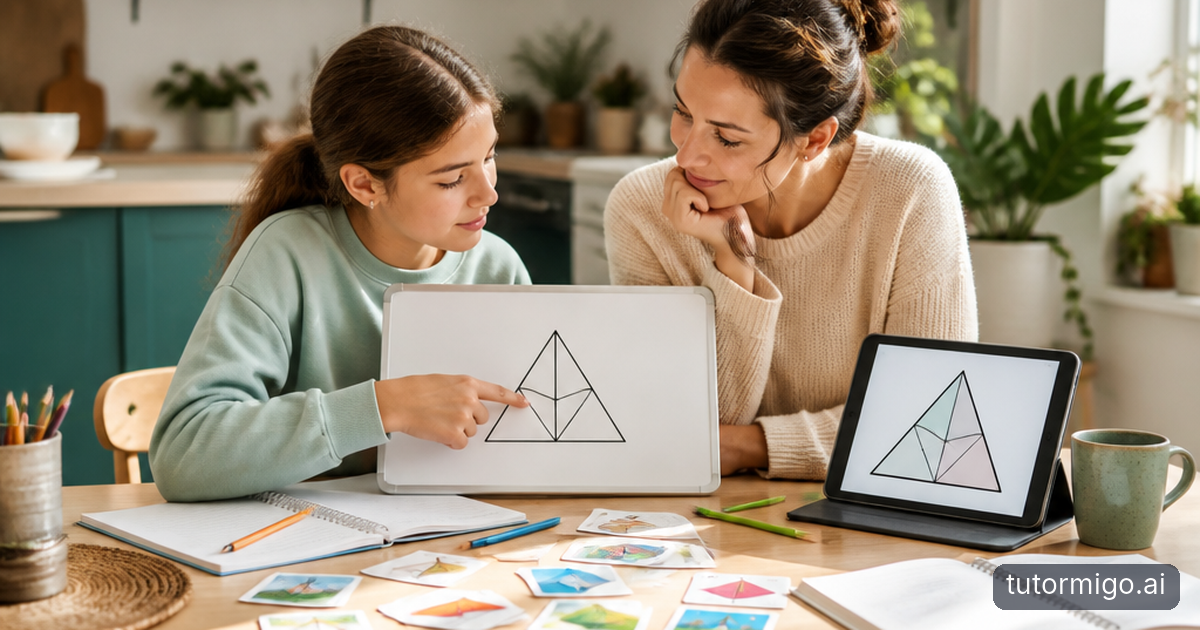
Start with one specific difficulty, not a plan to personalize every minute. Ask your child to choose a recent question they could not explain confidently. Have them show what they already know, identify the first uncertain step, and agree on a small goal: explaining one idea or solving a similar problem independently.
Next, choose the support that fits. That might be a teacher’s example, a paper diagram, or a question to TutorMigo.ai asking for a different explanation. Keep the learner active: ask for a prediction, invite a follow-up question, and try a fresh example without help. If a screen is involved, judge the session by the thinking it supports rather than its appearance. This guide to screen time and purposeful learning offers a useful perspective.
Return to the idea another day. Notice whether your child can explain more, needs fewer prompts, or recognizes where they are stuck. Share persistent difficulties with the teacher; dashboard information can support a conversation, but it is not a diagnosis or a complete picture of learning.
If you are comparing AI tutoring for kids, explore TutorMigo.ai with one real learning question. Look for a clearer explanation and a more independent next attempt—not simply a faster answer.
Frequently asked questions
Personalized learning adjusts explanations, practice, support, or pace to a child’s current understanding. It keeps learning goals clear while allowing different routes toward them, rather than expecting every child to benefit equally from identical instruction.
Children bring different prior knowledge, vocabulary, attention, and experiences to a lesson. Another explanation may uncover a missing connection or misconception. Needing clarification does not, by itself, indicate low ability or a learning disorder.
No. You can maintain a challenging goal while adjusting support and practice. Check understanding regularly, offer extra explanation where needed, and introduce more demanding applications when the child is ready.
AI tutoring can provide opportunities to request hints, ask follow-up questions, and explore alternative explanations. Ask the child to attempt the task independently afterward, and verify important information because AI responses can be wrong.
TutorMigo.ai offers personalized tutoring chat with session history, spaced-repetition flashcards, interactive study tools, and parent and teacher dashboards. Their usefulness depends on the learning task, appropriate supervision, and how actively the child participates.
Enjoyed this read?
Like, share, or comment below.

Comments
0Sign in required · respectful discussion · replies supported
Loading comments…